Whether a Collie Follows You to the Bathroom
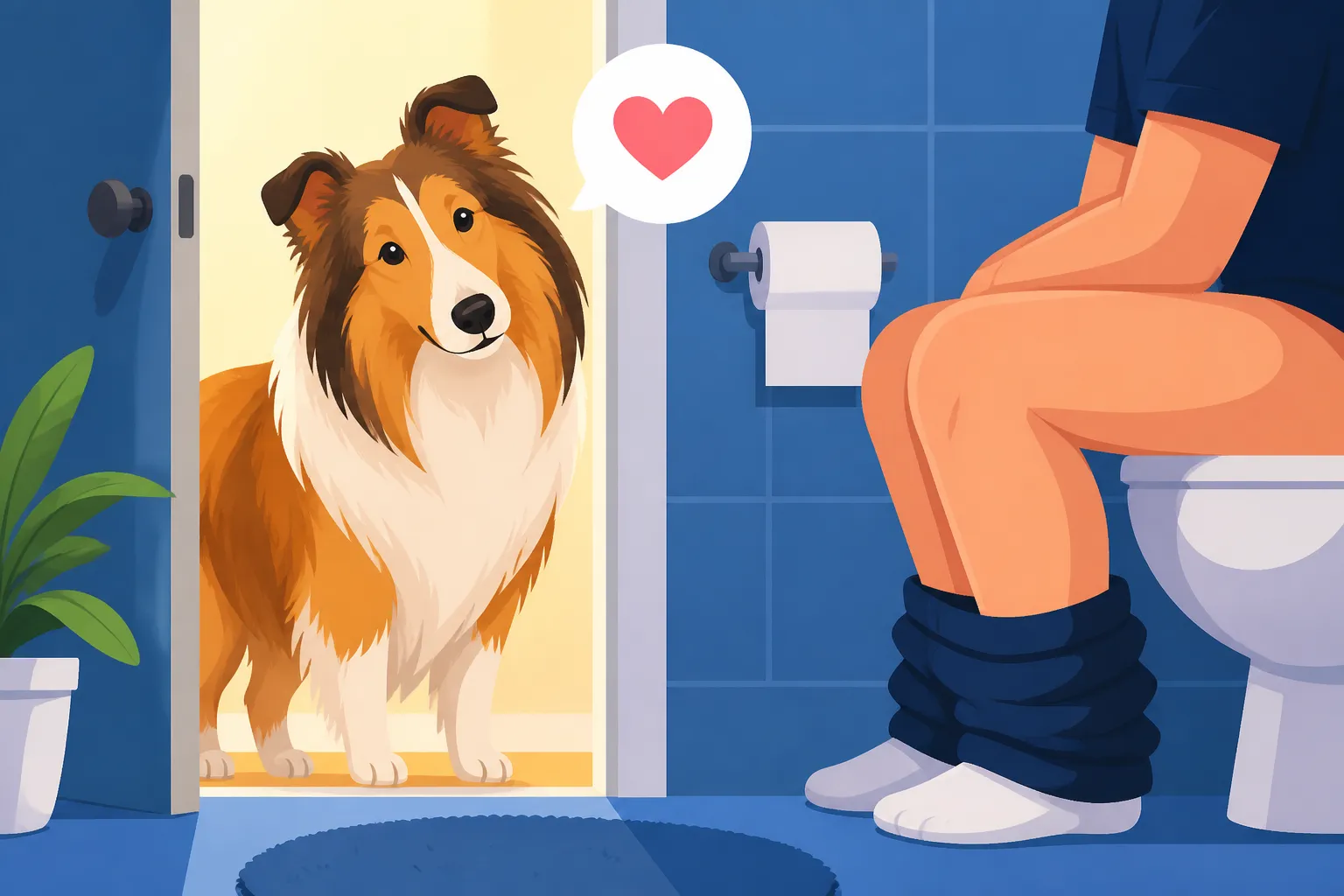
It's a scenario many Collie owners know well: you get up to grab a drink, head to the kitchen, or yes, even make a quick trip to the bathroom, and there they are. Your magnificent, fluffy shadow, right on your heels, patiently waiting by the closed door or often, simply nudging it open to join you. This guide is all about understanding why your Collie feels the need to be your constant companion, whether it's perfectly normal, and what you can do if it becomes a little too much.
The Collie Shadow: Why They Follow You Everywhere
If your Collie seems to have adopted the role of your personal security detail, never letting you out of their sight, you're not alone. This isn't just a quirky habit; it's rooted deeply in their breed's history, their innate temperament, and the incredible bond they form with their families. It’s part of what makes them such devoted companions, even if it means you rarely get a moment of true solitude.
Deep-Seated Herding Instincts at Play
The Collie, at its core, is a herding dog. For centuries, these intelligent canines were bred to keep flocks of sheep together, guiding them, protecting them, and ensuring no one wandered off. While your living room may look nothing like the Scottish highlands, those instincts are still very much alive in your furry friend. You, your family, and perhaps even other pets, are their "flock."
This instinct translates into a strong desire to keep everyone in their designated group. When you move from one room to another, especially if it breaks up the family unit, your Collie might feel a subtle urge to re-establish that cohesion. They're not being nosy; they're simply trying to perform their centuries-old job of managing the herd. This can manifest as circling, gentle nudges, or simply positioning themselves to have a clear view of everyone.
So, when you head to the bathroom, your Collie isn't trying to invade your privacy; they're probably just making sure you're still part of the flock and aren't wandering off into uncharted (and unsupervised) territory. It's an endearing, if sometimes inconvenient, manifestation of their purpose-driven heritage. Understanding this fundamental aspect of their nature is key to appreciating why they often feel the need to be so close.
The Strong Collie-Human Bond
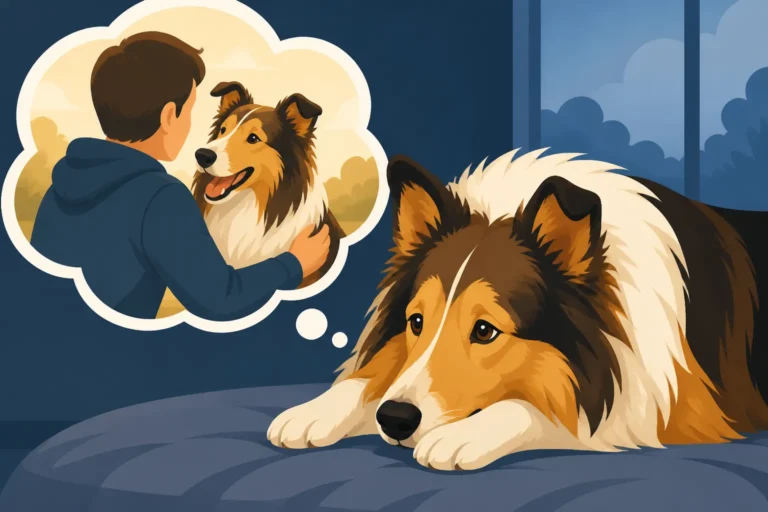
Beyond instinct, Collies are renowned for their profound loyalty and the deep, unwavering attachments they form with their human families. They are incredibly sensitive and empathetic dogs, often described as being highly attuned to their owners' moods and routines. This intense connection means they genuinely enjoy being in your presence, finding comfort and security simply by being near you.
For a Collie, you are the center of their world – the provider of food, affection, playtime, and safety. Being close to you reinforces this bond and fulfills their need for companionship. It's a testament to the trust and love they have for you, viewing you not just as an owner, but as a cherished family member they want to protect and be near. This isn't a random dog; it's your dog, and they've chosen you as their most important person.
This strong bond can sometimes lead to what we affectionately call "Velcro dog" syndrome, where they seem almost physically attached to you. They thrive on interaction and being part of the family's daily activities, even the mundane ones. Their desire to follow you is often just a simple expression of love and the joy they find in your company. It speaks volumes about the wonderful relationship you share.
Natural Curiosity and Vigilance
Collies are also highly intelligent and observant creatures. They pay attention to everything that happens in their environment, and you are arguably the most interesting part of that environment! When you get up, they're likely wondering what's next. Is it time for a walk? A treat? Or are you just heading to another room for a quiet moment? They want to be in the know, processing every sound, movement, and shift in routine.
Their inherent vigilance, a trait honed during their working days guarding flocks, also plays a role. They see themselves as guardians of the home and family. By keeping a close eye on you, they're ensuring that everything is as it should be, and they're ready to "alert" if anything seems amiss (even if it's just the mailman walking by). It's their way of staying engaged and fulfilling their perceived duty to keep watch.
This natural curiosity often means they follow simply because they don't want to miss out on anything. They're processing information, learning your habits, and perhaps hoping for an opportunity for interaction or a new adventure. It’s a sign of their active minds and their engagement with the world around them, particularly the world that revolves around you. A Collie Reads a Room Better Than It Reads a Command, and your movements are just another cue they're trying to interpret.
Is It Just Normal Collie Behavior, or Something More?
It's easy to wonder if your Collie's constant companionship is just their endearing way, or if it's a sign of something that needs addressing. The good news is that for most Collies, this "shadowing" is a perfectly normal, healthy expression of their breed characteristics and their bond with you. However, there are times when it might lean towards something that needs a bit more attention.
When "Velcro Dog" is Just Part of the Charm
For the vast majority of Collie owners, a dog that follows them from room to room, settling at their feet while they work or cook, is simply a beloved part of their dog's personality. It's a comforting presence, a reminder of the deep affection your Collie holds for you. A confident, well-adjusted Collie will follow you, yes, but they will also be capable of settling down independently if you're quietly engaged in another activity.
This normal following behavior usually means they'll lie down peacefully once you reach your destination, perhaps taking a nap, or just watching you with soft, contented eyes. They aren't panicking if a door momentarily closes between you, and they don't seem overly stressed by your brief absence. It’s simply their preference to be near you when possible, soaking up your presence.
Many Collie owners actually cherish this aspect of their dogs. It means they're never truly alone, and they always have a furry friend by their side, ready to offer a paw or a comforting lean. It's a hallmark of the breed's devotion and one of the many reasons Collies make such fantastic family pets. It often starts from puppyhood, where a secure bond is established from the very beginning, setting the stage for a lifetime of companionship. The First Year With a Collie Puppy is critical for establishing these routines.
Identifying Potential Separation Anxiety or Over-Reliance
While normal shadowing is sweet, it’s important to distinguish it from behaviors that might signal genuine separation anxiety or an unhealthy over-reliance on your presence. True separation anxiety is a far more serious condition, characterized by intense distress when the dog is left alone. This isn't just following; it's panic.
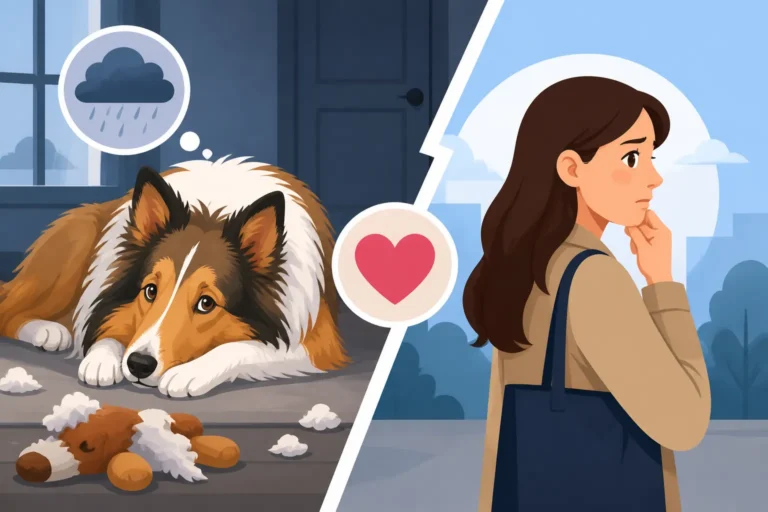
Symptoms of separation anxiety usually only occur when the dog is left completely alone, not just when you step into another room. They can include destructive chewing of doors or furniture, excessive barking or howling, house soiling (urinating or defecating) even if they're housetrained, and frantic attempts to escape. If you're observing these behaviors when you leave the house, or even when you simply close a door between you and your Collie, it's worth investigating further with a vet or a professional behaviorist. Whether a Collie Gets Separation Anxiety is a different issue than simply following you around.
Over-reliance, while not as severe as full-blown separation anxiety, might manifest as your Collie being unable to settle or relax unless you are in direct sight. They might whine excessively, pace, or constantly seek attention if you're not actively engaging with them. If your Collie genuinely seems distressed by even short moments out of your sight, and isn't just patiently waiting, it might be time to introduce some strategies for building their independent confidence.
Consistency in Routine and Boundaries
Whether your Collie's shadowing is normal or leaning towards over-reliance, establishing clear routines and gentle boundaries can be incredibly beneficial. Collies are intelligent and thrive on predictability; they appreciate knowing what to expect from their environment and their humans. Consistency doesn't mean you're rejecting them; it means you're building a foundation of understanding and security.
If you find the constant bathroom escort a bit much, you can start by gently closing the bathroom door behind you without making a fuss. If your Collie whines, wait for a moment of quiet before opening the door and praising them. This teaches them that your temporary absence isn't a reason for panic, and calm behavior is rewarded. It's about slowly desensitizing them to your brief disappearances.
You can also designate a "place" for them to go when you need a moment, offering a rewarding chew toy there. This gives them an alternative, a job to do, rather than simply being left to wonder. It's about empowering them to be comfortable in their own space, even when you're just a few feet away.
Strategies for Managing the Bathroom Shadow (If You Want To)
While your Collie's devotion is charming, there might be times you crave a little privacy or need them to understand that you're just going to the next room, not abandoning them forever. Thankfully, there are gentle and effective ways to manage this behavior, encouraging a more balanced sense of independence without diminishing your special bond.
Establishing "Place" and Independent Play
One of the most powerful tools in fostering independence is teaching your Collie a solid "place" command. This means teaching them to go to a specific spot – like a dog bed or mat – and stay there until released. This isn't about punishment; it's about providing a clear instruction and a comfortable alternative when you need them not to be underfoot. Start with short durations and gradually increase the time, rewarding heavily for staying put.
Combine "place" training with encouraging independent play. Invest in high-quality puzzle feeders or long-lasting chews that can occupy your Collie for a good chunk of time. Brands you might find on Amazon, such as Kong or West Paw, offer excellent durable options that can be stuffed with treats to keep your Collie mentally stimulated. This teaches them that they can entertain themselves and find enjoyment even when you're not directly interacting with them. Remember, Forty Five Minutes a Day, and Half of It in Its Head means mental stimulation is just as important as physical exercise for a Collie.
By giving them these constructive outlets, you're not just distracting them; you're building their confidence and ability to self-soothe. They learn that they don't always need to be actively engaged with you to feel secure and happy. This can be especially helpful during times when you're busy with household chores, working from home, or, yes, needing a moment in the bathroom.
Gradual Desensitization to Your Absence
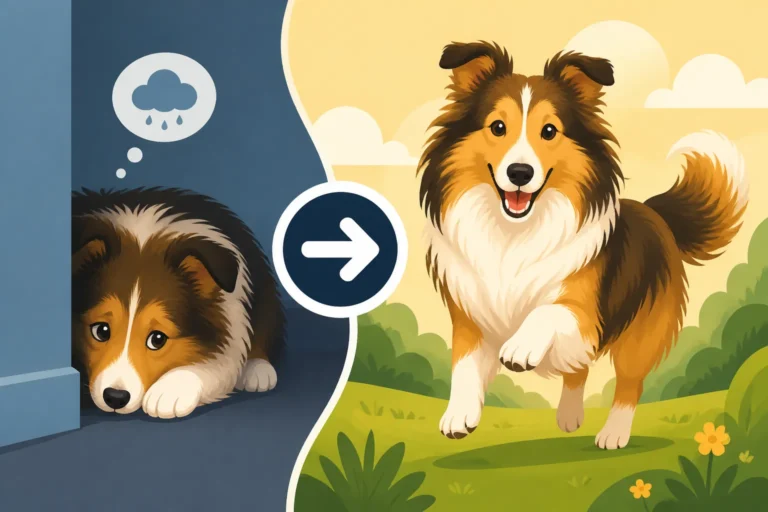
If your Collie becomes anxious even when a door closes between you, gradual desensitization is key. The goal is to teach them that your brief absence is nothing to worry about. Start incredibly small. Get up, walk to the bathroom door, pause for a second, and return to your seat. Don't make a big deal of it. Repeat this many times over, slowly increasing the duration of your absence.
Next, you can try stepping into the bathroom and immediately stepping back out. Again, no fanfare, just a calm return. Gradually increase the time you spend behind the closed door. The trick is to return before your Collie starts to get anxious. You want them to associate your absence with your calm return, not with growing worry. If they do start to whine or scratch, wait for a brief moment of quiet before returning, so you're not inadvertently rewarding the anxious behavior.
Using baby gates can also be a fantastic way to create a physical boundary without complete isolation. You can go into another room, close the baby gate, and your Collie can still see and hear you, but they can't physically follow. This gentle separation helps them get used to you being out of reach without feeling entirely alone. This process can slowly build their tolerance for How Long a Collie Can Be Left Alone without distress.
Reinforcing Calm, Independent Behavior
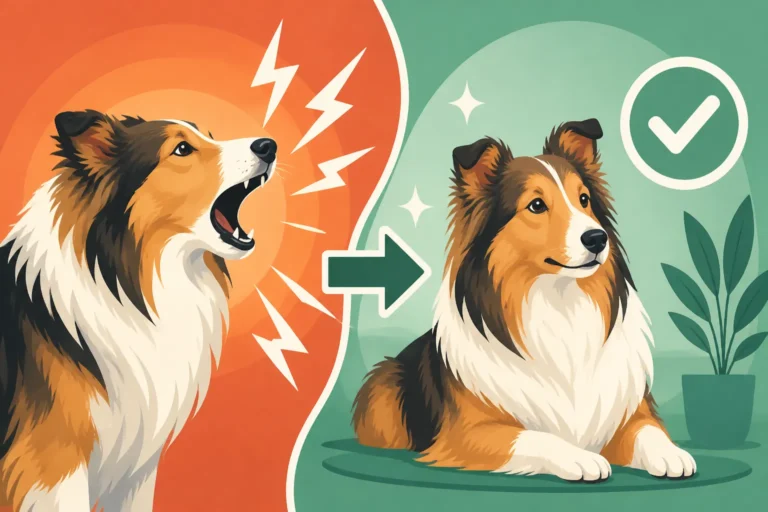
Positive reinforcement is your best friend when trying to modify any behavior. Actively look for moments when your Collie chooses to settle independently, even if you're in the same room, and generously reward them with praise or a quiet treat. If they're lying calmly on their bed while you're at your desk, acknowledge that with a soft "good dog." You're showing them that calm, self-sufficient behavior gets your attention and approval.
Conversely, try to ignore attention-seeking behaviors that might arise from over-reliance, such as nudging, pawing, or whining when you're busy. Wait for a moment of calm before giving them attention. This teaches them that quiet, polite requests are effective, while demanding behaviors are not. It requires patience, but consistency will pay off.
Consider utilizing online training resources, such as BAXTER & Bella, which often provide structured programs for building confidence and independence in dogs through positive reinforcement techniques. These programs can guide you through exercises designed to strengthen your Collie's ability to be comfortable and content even when you're not directly interacting with them. Understanding What Motivates a Collie will help you choose the right rewards for this process.
Understanding the "Why" Beyond the "What"
Ultimately, understanding why your Collie feels the need to be so close can help you navigate this endearing trait with empathy and patience. It’s rarely about malice or disobedience; it’s almost always rooted in their deepest instincts and their boundless love for you.
The Comfort of Proximity
At its simplest, your Collie follows you because they find comfort and security in your proximity. You are their anchor, their safe harbor in a sometimes-overwhelming world. Whether they're napping at your feet or waiting outside the bathroom door, your presence brings them peace. For some Collies, particularly those who may have come from a rescue background and needed to learn to trust again, this desire for closeness can be even more pronounced. How a Rescue Collie Learns to Trust often involves forming an incredibly strong, protective bond.
This isn't necessarily a bad thing; it’s a beautiful expression of their loyalty. Their sense of well-being is often tied to your availability, and simply being near you, even without direct interaction, is enough to satisfy that need. It’s important to remember that this comfort is a reflection of a deep and secure attachment, which is a wonderful thing to share with your dog.
It’s also worth considering that some Collies might be more prone to bonding very closely with one particular family member. Whether a Collie Bonds to One Person can sometimes result in them shadowing that individual more intensely than others in the household. This isn't a slight to other family members, but rather a reflection of that deep, singular connection.
Health Considerations and Changes in Behavior
While most shadowing is benign, a sudden, significant increase in clinginess or following could sometimes be a subtle indicator of an underlying health issue or discomfort. Dogs are masters at hiding pain or illness, and a change in behavior, such as becoming unusually clingy or needy, can be one of the first signs that something isn't quite right. Whether a Collie Hides Pain is an important consideration.
If your typically independent Collie suddenly becomes your constant shadow, especially if accompanied by other subtle changes like altered appetite, lethargy, or restlessness, it’s always a good idea to consult your veterinarian. They can rule out any medical reasons for the shift in behavior. This is particularly true for older Collies. What Changes in a Collie After Nine can include a decline in senses, making them more reliant on your presence for navigation and security, leading to increased following.
Similarly, if your Collie seems more disoriented or anxious when left alone, it could be a sign of cognitive decline in their senior years, similar to dementia in humans. Being near you provides reassurance when their world might be becoming a bit more confusing. Being vigilant about any sudden changes in their behavior is just another way we care for our beloved companions.
Embracing the Collie's Devotion
Ultimately, the Collie's tendency to follow you is a testament to their extraordinary devotion, intelligence, and the deep emotional connection they form with their families. It's a hallmark of the breed's personality – a sensitive, loyal companion who wants nothing more than to be part of your world, every step of the way. While there are certainly ways to set healthy boundaries if needed, much of this behavior is simply a beautiful expression of their love.
In a world where so much is transient, the unwavering presence of a Collie at your side, even to the bathroom door, is a precious gift. It's a reminder of the unique bond we share with these magnificent dogs, who give so much and ask for so little in return, other than our companionship and affection. So, next time you feel a nudge on your leg or see that familiar, devoted face peering around the doorframe, take a moment to appreciate the incredible loyalty that comes with being a Collie parent.
| Behavior Type | Description | Common Cause(s) | Management Strategy |
|---|---|---|---|
| Normal Shadowing | Dog follows quietly, settles when you stop, no distress when out of sight. | Strong bond, herding instinct, curiosity, enjoyment of proximity. | Appreciate it; establish "place" command for busy times; provide independent enrichment. |
| Over-Reliance | Dog is restless, whines, seeks constant attention if not directly engaged. | Lack of confidence in being alone, not enough independent activity. | Consistent "place" training; increase independent playtime; reward calm behavior. |
| Separation Anxiety | Destructive, excessive vocalization, house soiling only when left alone. | Underlying anxiety disorder when separated from primary attachment figure. | Vet consultation; professional behaviorist; structured desensitization plan. |
| Age-Related Clinginess | Increased following, disorientation, especially in senior dogs. | Sensory decline (hearing/sight), cognitive changes, increased need for security. | Provide familiar routines; keep environment consistent; vet check for cognitive issues. |
| Sudden Clinginess | Abrupt change in an otherwise independent dog. | Potential underlying health issue or discomfort. | Immediate veterinary check-up to rule out medical problems. |
Disclaimer
This article is for general informational purposes only and does not constitute professional advice. Laws, prices and regulations vary by location and change over time. Consult a qualified professional for guidance on your specific situation.