Whether a Collie Is Easy to Recall
One of the most common worries I hear from fellow Collie parents is about letting their beloved dogs off-leash. We all dream of those idyllic moments where our Collies romp freely in a field, then come galloping back the instant we call their name. But let's be honest, the reality often feels a lot more like shouting into the wind while your Collie, nose to the ground or eyes on a distant bird, practices their "selective hearing." This guide is here to walk you through the nuances of Collie recall, offering realistic expectations and actionable strategies to help you achieve that reliable "come" command, making off-leash adventures a joyful reality, not a source of anxiety.
Understanding the Collie's Recall Instincts
When you're trying to figure out why your Collie might not be racing back to you on command, it helps to understand a bit about what makes them tick. These aren't your average "always at my heel" kind of dogs; they have a rich history that has shaped their instincts.
The Herding Dog's Independent Streak
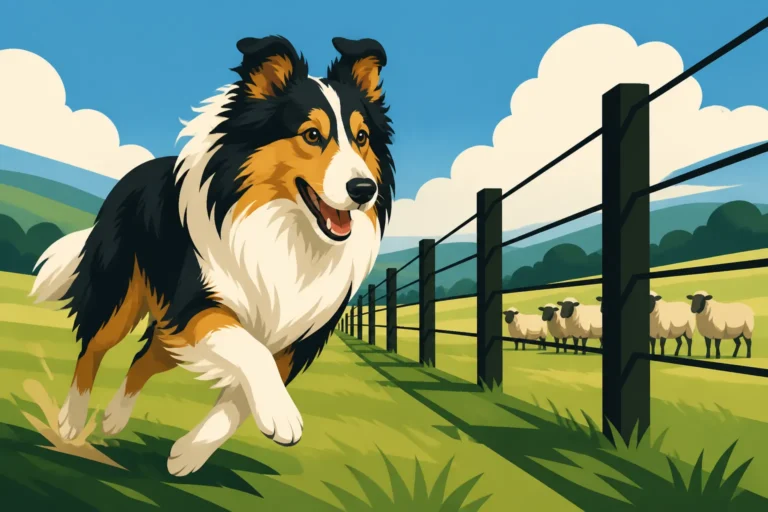
Collies were bred to be intelligent, observant working dogs. Their job wasn't just to fetch; it was to manage flocks, often at a distance from a human shepherd, using their own judgment. This means they possess a natural independence and a keen awareness of their surroundings. They're scanning, assessing, and often making their own decisions about what's important in the environment.
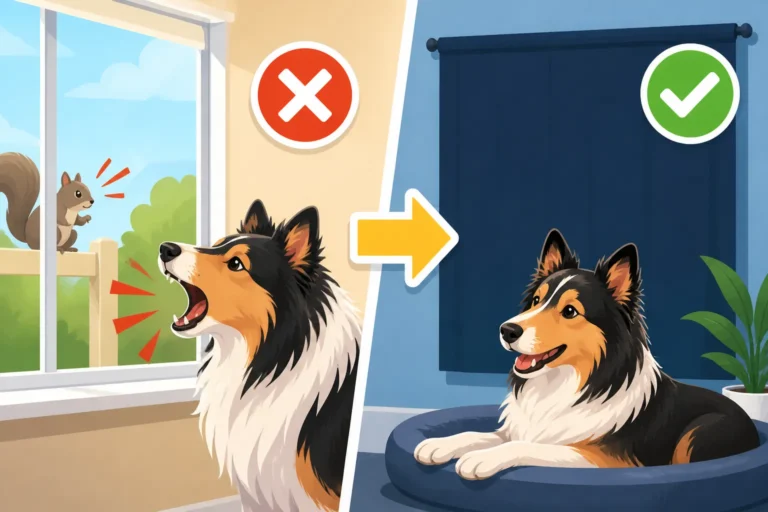
Think about it: a sheepdog on a vast Scottish moor couldn't wait for a direct command for every single move. They had to be proactive. That instinct is still very much alive in our modern Collies. When your Collie is engrossed in a scent trail, or watching a squirrel dart across a field, they're not being disobedient out of malice. They're engaging those ancient instincts. Their focus can be incredibly intense, and anything moving or smelling interesting can override a human voice, especially if that voice isn't the most exciting thing happening. This is why a simple "come" can sometimes feel like a futile whisper against the cacophony of their inner herding world. They might be thinking, "Is that a potential flock to gather?" or "What's that critter doing over there? I should investigate!" instead of "Oh, my human wants me."
Sensitivity and Positive Reinforcement
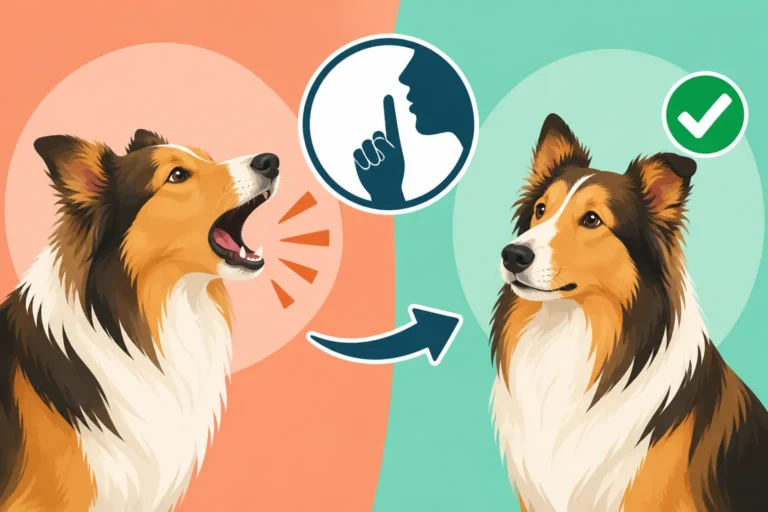
Collies are famously sensitive souls. They are not dogs that respond well to harsh corrections, raised voices, or punitive training methods. In fact, such approaches are likely to have the opposite effect, eroding their trust in you and making them less likely to come when called. Harsh Handling Breaks a Collie and It Does Not Come Back. They thrive on praise, encouragement, and a positive, reinforcing environment. If coming to you always means being grabbed, scolded, or having their fun cut short, why would they rush back?
Building a reliable recall with a Collie is less about asserting dominance and more about fostering a strong, positive relationship where coming back to you is always a rewarding experience. It's about becoming the most interesting, most rewarding, and safest person in their world, no matter what distractions are pulling at them. They're incredibly smart and eager to please when they understand what you want and when they feel good about doing it. If they associate your call with something negative, even if it's just being put back on the leash when they're still having fun, they'll learn to avoid you. We want them to think, "Oh, my person! What exciting thing are we going to do next?" not "Oh no, playtime's over."
Building a Rock-Solid Recall with Your Collie
Achieving a truly reliable recall isn't a quick fix; it's a journey that requires consistency, patience, and a deep understanding of your Collie's motivations. But with the right approach, it's absolutely achievable.
Starting Strong: Foundation Training
The secret to a great recall starts not in a wide-open field, but in your living room. Begin in a low-distraction environment where your Collie feels safe and focused.
First, make your Collie's name the most wonderful sound in the world. Say their name in a happy, excited voice, and immediately follow it with a high-value treat or a quick game of tug. Do this dozens of times a day, just randomly, not always tied to a command. This builds a positive association with their name. What Motivates a Collie.
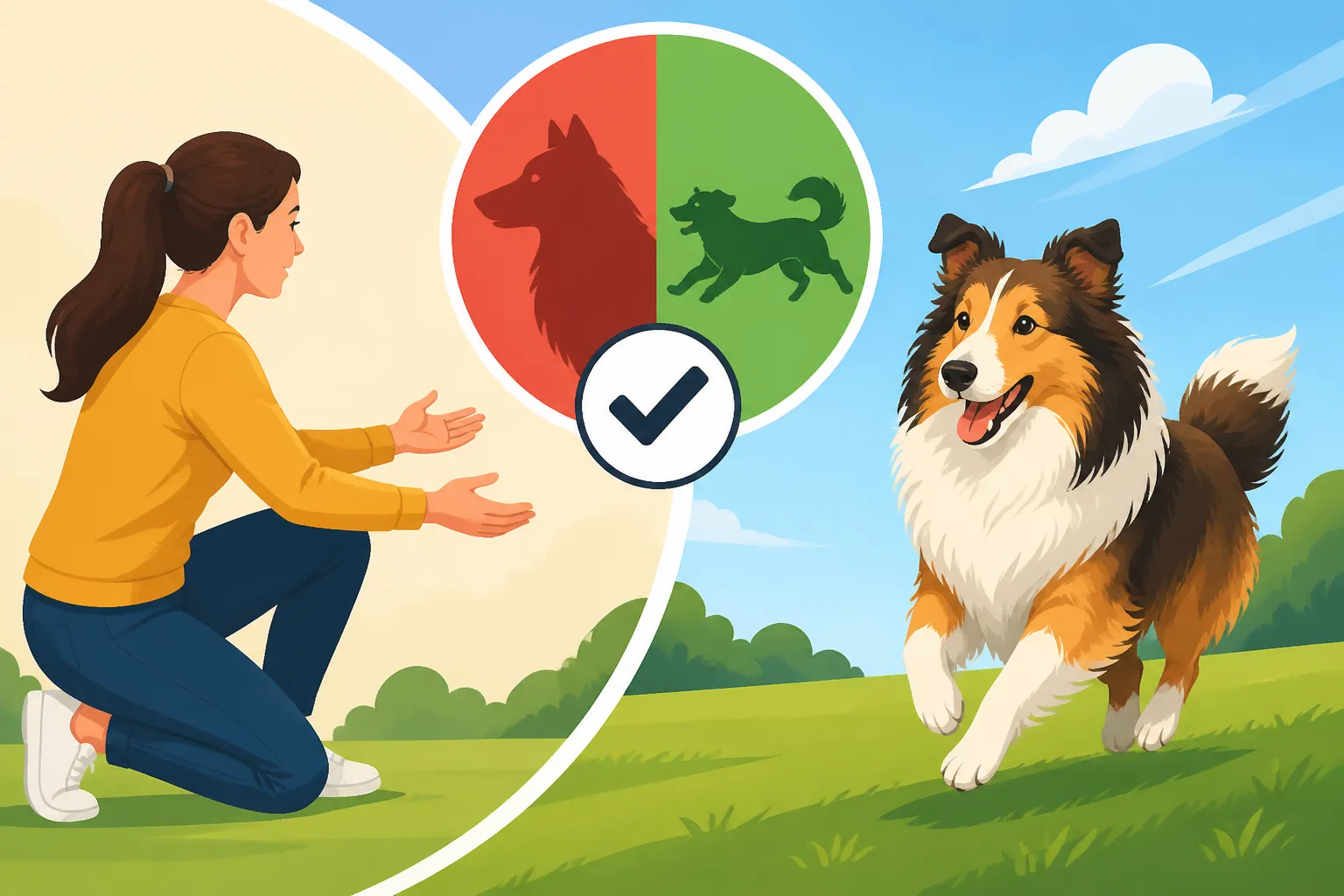
Next, introduce the "come" command. Use a clear, happy, enthusiastic tone. Kneel down, open your arms, and make yourself inviting. When they take even a step towards you, praise them lavishly and reward them with that super high-value treat (think cooked chicken, cheese, or hot dogs—something they adore). Don't just hand it to them; make it a mini celebration! Then, let them go back to whatever they were doing. The key here is that coming to you doesn't mean the end of fun; it means a momentary, delightful interruption. Practice this many times throughout the day, in short, upbeat sessions. For younger Collies, this foundation work during The First Year With a Collie Puppy is crucial.
| Recall Training Stage | Environment | Key Focus | Reward Strategy |
|---|---|---|---|
| Foundation | Indoors, Quiet Yard | Positive association with name & command | High-value treats, enthusiastic praise, quick play |
| Intermediate | Leash walks, Fenced Park | Gradual introduction of distractions, distance | Varied high-value rewards, games, freedom to explore |
| Advanced | Public parks, Open fields | Proofing against major distractions, consistency | Unpredictable high rewards, continued praise, long-line safety |
Gradually Increasing Distractions and Distance
Once your Collie is reliably coming to you in a low-distraction environment, it's time to slowly dial up the difficulty. This is where many people go wrong, expecting their dog to magically generalize the skill to a bustling park after only practicing in the backyard.
Start by moving to a slightly more distracting area, like your quiet backyard with a few toys scattered around. Continue the same positive, rewarding approach. When they succeed, praise and reward! If they struggle, go back to a less distracting environment.
A long line is your best friend during this phase. A 15 to 30-foot line (easily found on platforms like Amazon) allows your Collie to have a sense of freedom while still giving you control. Let them wander, then call their name and "come!" If they hesitate, gently reel them in while continuing to praise. The long line ensures they physically can't "fail" by running off, preventing them from learning that they can ignore you. This also keeps them safe in areas where you can't trust their recall completely yet.
Practice in different locations – a friend's fenced yard, a quiet time at a local park, or even just another room in your house. The more varied the practice, the better your Collie will generalize the command. Remember, Collies are smart, but they don't always apply lessons from one situation directly to another without practice.
Making Yourself More Exciting Than the Environment
This is perhaps the most crucial aspect of Collie recall: you have to be more appealing than whatever else is going on. A dead squirrel or a particularly interesting patch of grass can seem incredibly alluring to a Collie. Your job is to make coming back to you even more rewarding.
Always have high-value treats on hand. Not just kibble, but truly delicious, irresistible treats. Rotate them so your Collie never knows what fantastic surprise awaits them. Sometimes it's a piece of cheese, sometimes a tug toy, sometimes a wild game of chase. Be unpredictable! Whether a Collie Needs a Predictable Routine.
When your Collie comes, don't just give the treat and put them back on the leash immediately. Spend a few moments praising, petting, and engaging them in happy interaction. Then, release them with a clear "okay, go play!" This teaches them that coming to you doesn't mean the end of fun; it's often just a pause for something even better. Think of it like calling your child in for a cookie, then letting them go back to playing in the yard. If coming to you always means they're immediately confined or their adventure ends, they will naturally learn to delay.
Consider using a specific, happy tone of voice only for recall. A high-pitched, excited "Fido, COME!" should sound completely different from your normal speaking voice. This helps them differentiate the command from general chatter. Remember, Whether a Collie Is Sensitive to Household Tension, so keep your tone light and positive.
Common Recall Challenges and Troubleshooting for Collies
Even with the best intentions, recall can hit some snags. Let's tackle a few common issues you might encounter with your intelligent, sometimes stubborn, Collie.
The "Selective Hearing" Collie
Ah, the infamous selective hearing. It's not that your Collie doesn't hear you; it's that they've weighed the options and decided something else is more pressing. This often happens because they've learned that sometimes, your call doesn't lead to anything particularly amazing, or it always leads to the end of their fun.
Re-evaluating Motivation: Are your rewards truly high-value? If you're calling your Collie away from sniffing a fascinating scent with a piece of dry kibble, you're probably going to lose that battle. Elevate your rewards. What is the absolute best thing your Collie could imagine? Make that your recall reward, at least for a while.
Environment Check: Are you asking too much too soon? If your Collie is failing recall in a high-distraction area, it's a sign you need to go back to a less stimulating environment and rebuild their confidence and reliability there before progressing. Don't set them up to fail. Every time they "blow you off," they're practicing ignoring you, and that's a habit we definitely don't want to build. This is where programs like BAXTER & Bella, with their structured, progressive lessons, can be really helpful as they guide you through different scenarios.
Consistency is Key: Does everyone in the household use the same recall command and reward system? Inconsistency confuses your Collie and weakens the command. Ensure everyone is on the same page. How Long a Collie Remembers a Bad Session emphasizes how quickly negative associations can form, but also how positive ones need to be consistently reinforced.
Dealing with High-Value Distractions
This is the big one: squirrels, rabbits, other dogs, children running, or even just a fascinating smell. These are potent distractions for a Collie with their strong prey drive and herding instincts.
Emergency Recall: Develop a separate, distinct emergency recall word or sound (e.g., a whistle, or a unique phrase like "Collie, HERE!"). This command should only be used for true emergencies and always result in the absolute highest-value reward, or even a jackpot of rewards. Never dilute this command by using it casually. Practice it in very low-distraction settings initially, then gradually introduce it to higher-distraction areas, always on a long line. If you're worried about your Collie running off, especially near roads or other dangers, this is your ultimate safety net. Whether a Collie Runs Off is a real concern for many owners.
Proactive Management: Learn to read your Collie's body language. If you see them lock onto a distraction, call them before they're fully engaged. A quick "look at me!" followed by a treat can redirect their attention before they've even started to chase. If you know a particular area has high distractions, consider keeping them on a long line there until their recall is truly bulletproof. Whether a Collie Can Be Off Leash Safely is largely dependent on how well you've proofed their recall against these real-world temptations.
Structured Play: Instead of just letting your Collie chase endlessly, incorporate games that use their prey drive in a controlled way, like fetch or flirt pole play. This can help satisfy some of that instinct and make them less likely to bolt after a real animal.
When a Collie's Recall Goes Sideways
Sometimes, despite your best efforts, your Collie might start ignoring you again, or a previously reliable recall might falter. Don't despair!
Go Back to Basics: If recall starts to break down, immediately go back to the lowest distraction environment where they were successful. Rebuild the foundation, reinforce the positive associations, and ensure your rewards are top-notch. It's like going back to kindergarten to solidify skills before moving up a grade again.
Avoid Punishment: Never chase your Collie when they run away from your call. This often turns into a fun game for them and teaches them that running is rewarding. Never punish them when they eventually do come back, even if it took a long time. They'll associate coming back with punishment, making them less likely to return next time. If you need to retrieve them, calmly walk to them, clip on the leash, and leave. Make coming to you the best option, not the one that leads to trouble.
Consult a Professional: If you're truly struggling, a certified professional dog trainer specializing in positive reinforcement can offer personalized guidance. They can observe your interactions and help identify specific triggers or training gaps you might be missing. They might even suggest specific exercises that count as Whether Training Sessions Count as a Collie's Exercise to boost engagement.
Tools and Resources to Aid Collie Recall Training
While your voice and positive reinforcement are your primary tools, certain gear and consistent dedication can significantly enhance your recall training efforts.
Essential Gear for Recall Training
Having the right equipment can make all the difference in safety and effectiveness when training recall, especially with a breed like the Collie that benefits from careful management.
- Long Lines: As mentioned, a long line (15-50 feet) is indispensable. It allows your Collie to explore and feel off-leash, but ensures you always have a safety net. Look for a sturdy, comfortable material that won't tangle easily. You can find a good selection of durable long lines on Amazon. They're especially useful for practicing in open spaces where a full, reliable off-leash recall isn't yet established.
- Treat Pouch: A convenient treat pouch that clips to your waist means you always have those high-value rewards instantly accessible. Speed is key in rewarding successful recalls. If you're fumbling in your pockets, the moment might pass.
- Whistle: A dog whistle can be incredibly useful, especially in noisy environments or over long distances. Unlike your voice, a whistle's sound is consistent, distinct, and carries well. Train your Collie to associate the whistle with coming back, just as you would a verbal command.
- High-Value Treats: We can't say this enough! Cooked chicken, cheese, hot dogs, even specific training treats designed to be irresistible. Save these only for recall practice to keep their value sky-high.
- Training Programs: Structured online programs, like those offered by BAXTER & Bella, can provide a step-by-step curriculum for recall and other obedience skills. They often include videos and detailed instructions, which can be invaluable for owners who prefer a guided approach. These programs help maintain consistency, which is vital for Collies.
Consistent Practice and Patience
Recall is not a "one and done" command. It's a skill that needs regular, ongoing practice throughout your Collie's life. Even after your Collie is seemingly reliable, occasionally go back to basics, reinforcing with those high-value treats.
Short, Frequent Sessions: Instead of one long, boring session, aim for many short, upbeat training moments throughout the day. A few minutes here, a few minutes there, keeping it fun and positive. This aligns with a Collie's intelligent and sometimes independent nature; they stay engaged better with variety.
Life-Long Learning: Remember that recall can fluctuate. Adolescence, new environments, or even a scary experience can temporarily impact reliability. Be prepared to revisit earlier training stages if needed. Your Collie's brain is always processing, and their responses can shift. Consistency, rather than perfection, is your ultimate goal. How Much Exercise a Collie Needs Daily often includes mental stimulation like training, so recall practice can contribute to their overall well-being.
The reward of a reliable recall—the freedom it grants your Collie, and the peace of mind it gives you—is immeasurable. It allows for richer, more adventurous outings and strengthens the bond of trust and communication between you and your wonderful, intelligent companion. While a Collie might not be the easiest breed to recall compared to, say, a Lab with an insatiable desire to please their human, their intelligence and desire for companionship mean that with the right approach, a truly reliable recall is absolutely within reach. Just be patient, be positive, and always be the most exciting thing in their world!
Disclaimer
This article is for general informational purposes only and does not constitute professional advice. Laws, prices and regulations vary by location and change over time. Consult a qualified professional for guidance on your specific situation.