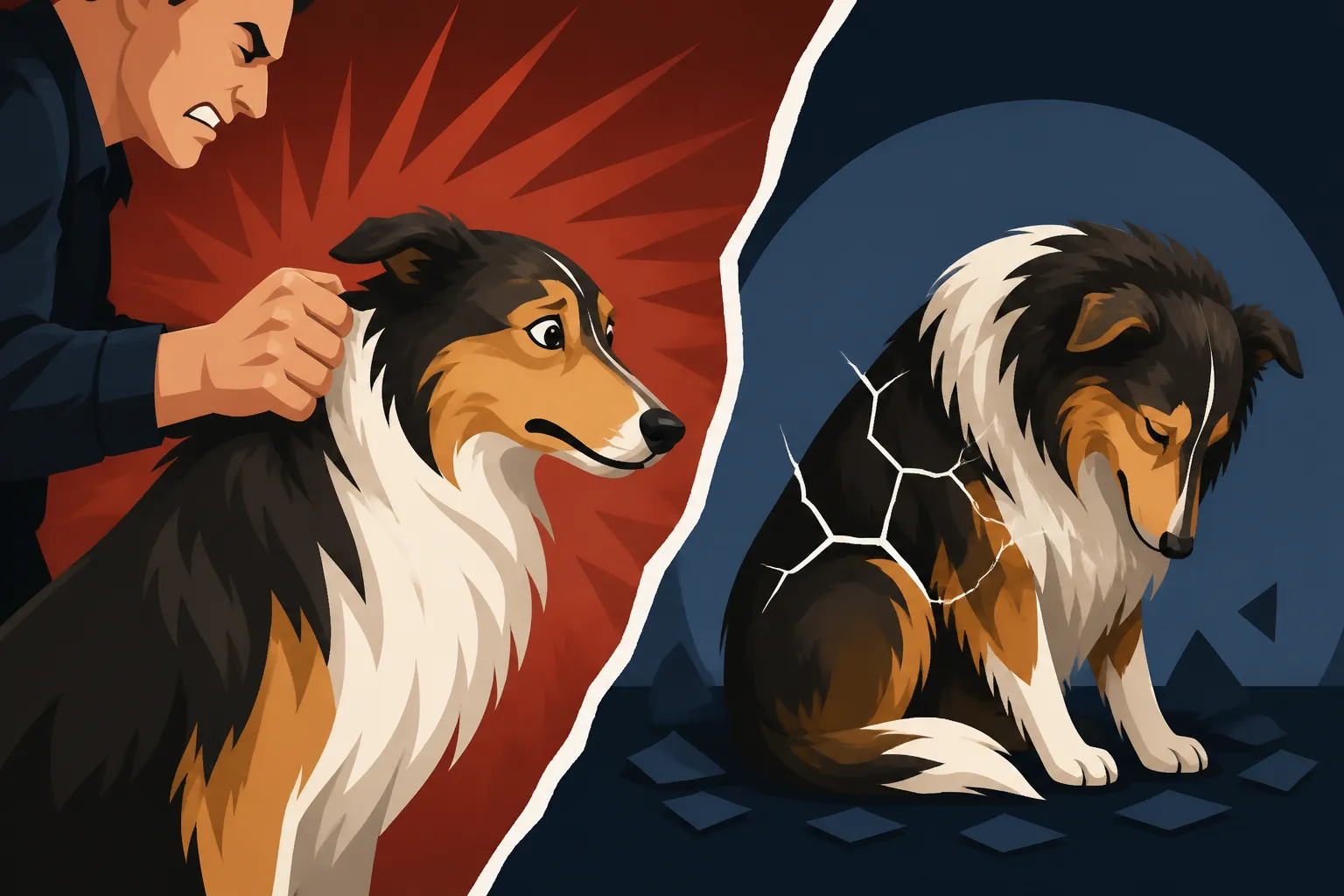
Harsh Handling Breaks a Collie and It Does Not Come Back
Bringing a Collie into your home means welcoming a truly special dog—one renowned for its intelligence, loyalty, and often, a deep sensitivity that sets it apart from many other breeds. If you’ve ever found yourself frustrated by a Collie that seems to "shut down" or act fearful when faced with harsh corrections, you're not alone. This guide dives deep into why harsh handling fundamentally breaks a Collie's spirit and trust, and more importantly, how to build an unbreakable bond through understanding and positive methods.
The Collie Temperament: A Foundation of Sensitivity
Collies are known for their striking beauty and keen minds, but beneath that majestic coat and intelligent gaze lies a profoundly sensitive soul. They aren't the kind of dogs that respond well to heavy-handed tactics or loud, angry voices. In fact, such approaches are often counterproductive, leading to a breakdown in communication and trust rather than compliance. This sensitivity is a hallmark of the breed, a trait that makes them such wonderful, empathetic companions when understood and respected.
The Herding Dog's Intuition and Softness
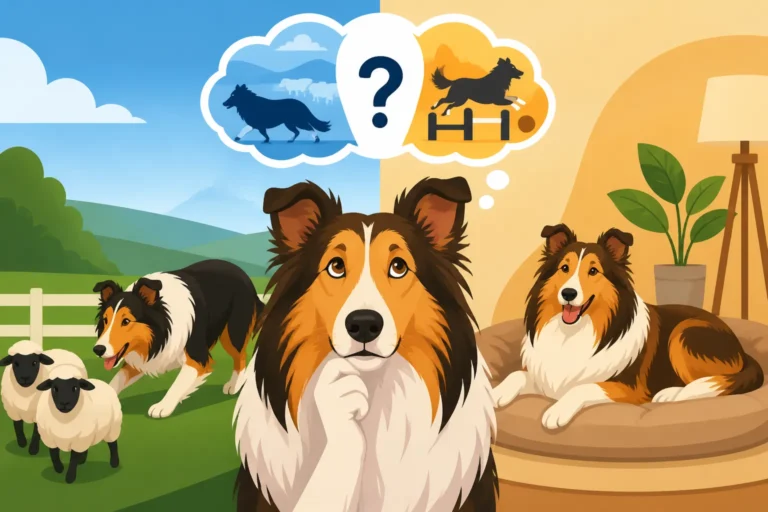
Think about the Collie's origins as a herding dog. Their role wasn't to brute-force sheep, but to guide them with subtle movements, stares, and carefully modulated barks. They needed to be intuitive, responsive, and able to read situations quickly and calmly. This history has ingrained a "softness" into their temperament. They are observant, often taking in more cues from their environment and their people than we might realize. This means they are quick to pick up on our moods, our frustrations, and any tension in the household. A raised voice to a Collie isn't just a command; it can feel like a personal attack, disrupting their sense of security. It's a fundamental misunderstanding of their nature to believe that they need a firm hand in the traditional, dominant sense.
This inherent intuition means they thrive on clear, consistent, and gentle communication. Yelling or sudden, sharp corrections are jarring to them, akin to shouting at a delicate instrument. Their instinct is often to retreat or become anxious, not to submit or learn. They are eager to please, but their drive comes from wanting to maintain harmony and connection, not from fear of punishment. Understanding this core aspect of their personality is the first step toward successful training and a happy coexistence.
Their responsiveness also means they excel in environments where their efforts are acknowledged and rewarded, reinforcing their natural desire to cooperate. When you build a relationship based on mutual respect, a Collie will offer you an unwavering loyalty that is truly profound. They want to be your partner, and that partnership flourishes when gentleness is the guiding principle.
Why Collies Don't Respond to Force
Collies simply aren't wired to respond effectively to force. Unlike some breeds that might be physically deterred by a harsh yank on the leash or a sharp correction, a Collie's instinct is to internalize the negative experience. Instead of learning what not to do, they often learn to fear the handler, the situation, or the tool being used. For example, if you repeatedly yank on their leash when they pull, they might not learn to stop pulling; instead, they might learn that walks are unpleasant, or that you are unpredictable and scary. This can manifest as anxiety, resistance, or a complete refusal to engage.
Their intelligence means they quickly connect unpleasant sensations or tones with specific actions or even your presence. If training becomes a constant source of discomfort or anxiety, they will start avoiding it entirely. This isn't stubbornness; it's self-preservation. How Long a Collie Remembers a Bad Session is a critical factor here—they have long memories, and a negative experience can taint a training scenario for weeks, months, or even years. They crave clarity and reassurance, not intimidation.
Instead of compliance, force often breeds resentment and a lack of initiative. A Collie who is constantly corrected or intimidated may become hesitant to try new things, fearing they will make a mistake. This stifles their natural curiosity and desire to learn. What you end up with is a dog that performs out of fear, if at all, rather than one that joyfully participates. They become disengaged, making true companionship difficult to achieve.
Signs Your Collie Is Shutting Down
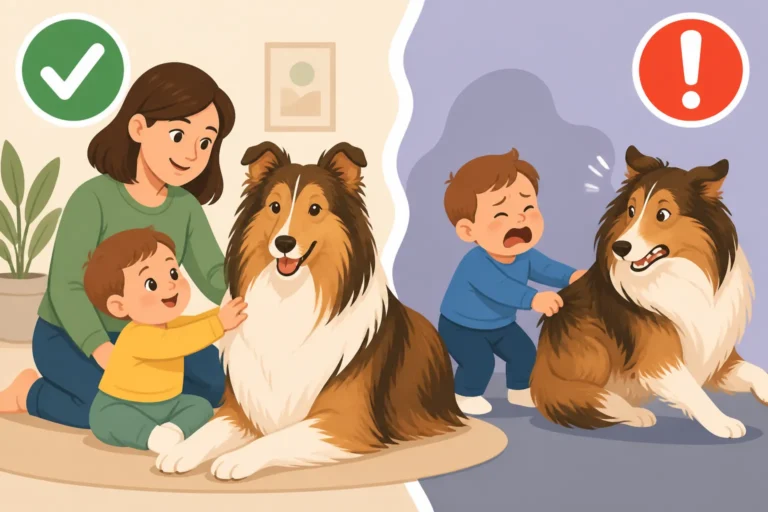
It’s heartbreaking to see, but a Collie can easily "shut down" in response to harsh handling. This isn't them being defiant; it's a coping mechanism when they feel overwhelmed, scared, or utterly defeated. They might avoid eye contact, tuck their tail, lower their body posture, or try to make themselves smaller. Some will start yawning excessively, lip-licking, or scratching—all displacement behaviors that indicate stress and anxiety. Others might simply freeze, becoming unresponsive to commands or cues they previously knew.
In more extreme cases, a shutting-down Collie might refuse to move, lie down, or even attempt to hide. If you're constantly yelling or using physical corrections, you might notice your Collie starting to flinch when you reach for them, or they may become hesitant to approach you, even for affection. This isn't a sign of a "bad" dog; it's a clear signal that the training methods are damaging the dog's psyche and the bond between you. They are essentially saying, "I can't cope with this," and withdrawing emotionally.
The long-term effects of a Collie shutting down can be severe. They can develop chronic anxiety, phobias, or even become reactive or aggressive out of fear. A dog that has lost its confidence due to harsh handling is a shadow of its potential self. It's crucial to recognize these signs early and pivot to more positive methods before irreversible damage is done to their emotional well-being and your relationship. Whether a Shy Collie Puppy Recovers depends heavily on this early intervention and a shift in approach.
What "Harsh Handling" Truly Means for a Collie
When we talk about harsh handling, it’s easy to immediately picture extreme physical abuse, but for a sensitive breed like the Collie, the definition is much broader and often more subtle. It encompasses anything that causes fear, discomfort, pain, or significant emotional distress. What might seem like a minor correction to one person could be deeply damaging to a Collie. Understanding this distinction is vital for anyone sharing their life with this wonderful breed.
Beyond Physical Abuse: The Impact of Verbal and Emotional Pressure
For a Collie, harsh handling isn't limited to physical force. Verbal abuse, such as yelling, constant scolding, or even a consistently angry tone, can be just as damaging. Collies are incredibly attuned to human emotion and vocal inflection. How a Collie Responds to a Raised Voice is typically with distress, not understanding or compliance. They sense your frustration and anger, and it registers as a threat, not a lesson. Imagine living with someone who is constantly annoyed with you, raising their voice over every minor infraction. You wouldn't feel safe or loved; you'd feel anxious and likely try to avoid that person. Your Collie feels the same.
Emotional pressure, like ignoring them as punishment, shaming them, or creating situations where they feel trapped or overwhelmed, also falls under harsh handling. These tactics erode their self-esteem and the security they feel in their home. A Collie thrives on connection and partnership. When that connection is replaced by intimidation or emotional withdrawal, it chips away at their fundamental sense of belonging. They are highly empathetic creatures, often picking up on Whether a Collie Is Sensitive to Household Tension long before humans even acknowledge it. This means even indirect stress in the home can affect them.
This emotional and verbal pressure can lead to chronic stress, manifesting in behavioral issues like excessive barking, destructive chewing, or even house soiling, not because they are "bad" but because they are coping poorly with their environment. These are cries for help, not acts of defiance. It's paramount to remember that a Collie wants to please you; if they're not, it's a communication breakdown, not a character flaw.
Tools That Can Damage a Collie's Trust
Certain training tools, designed for punishment or intimidation, can be particularly detrimental to a Collie's delicate psyche and the trust you're trying to build. These include prong collars, choke chains, and electronic shock collars. While proponents of these tools argue they provide quick results, for a Collie, they often achieve those results through pain and fear, not understanding. A prong collar, for instance, delivers painful pressure points around the neck with every pull, teaching the dog that walks are associated with discomfort, not that pulling is undesirable.
Electronic collars, which deliver an electric shock, are perhaps the most damaging. These tools are designed to create an aversion through pain, leading to a profound breakdown in trust. Imagine your dog associating your command, or even your presence, with an unpredictable, painful jolt. This creates immense anxiety and confusion. A Collie subjected to such tools might learn to avoid situations where the collar is used, or suppress natural behaviors out of fear, but they rarely learn to genuinely choose the desired behavior from a place of understanding and willingness. Why a Prong Collar Is Wrong for a Collie and Why an Electric Collar Is Wrong for a Collie are discussions rooted in the breed's fundamental sensitivity and the long-term damage these tools inflict.
Beyond physical tools, even retractable leashes can be problematic. While not inherently harsh, they teach inconsistent leash pressure, making it hard for a Collie to learn a consistent "loose leash" feeling. They also allow dogs to get further away, potentially putting them in situations where a sharp, painful jolt occurs if they hit the end of the line. The best tools are those that facilitate communication and comfort, like a well-fitting flat collar, a harness (especially a front-clip harness for polite leash walking), and a standard six-foot leash. You can find a wide variety of these safe and effective tools on platforms like Amazon.
The Cycle of Fear and Avoidance
When a Collie is subjected to harsh handling, a vicious cycle of fear and avoidance often begins. The dog experiences pain or fear, which causes them to become anxious or wary. In response, they might try to avoid the source of that fear—whether it's the handler, the training environment, or a specific command. This avoidance is often misinterpreted as stubbornness or defiance by the owner, leading to more harsh corrections in an attempt to "dominate" the dog. This only escalates the dog's fear, making them even more likely to avoid or shut down.
This cycle is incredibly destructive to the relationship. The Collie learns that you are a source of unpredictable discomfort rather than a trusted leader and protector. They may become withdrawn, losing their joyful spark and willingness to engage. You might notice them trying to hide or simply freeze when asked to do something. Whether Shouting at a Collie Sets Training Back is a resounding yes because it directly contributes to this cycle. The dog isn't learning; it's surviving.
Breaking this cycle requires a conscious and determined effort to shift entirely to positive, reward-based training. It means re-establishing trust through gentle interactions, clear communication, and consistent reinforcement of desired behaviors, rather than punishment for undesired ones. It's about rebuilding a foundation of safety and mutual respect, which can take considerable time and patience.
The Deep and Lasting Scars: How Trust is Broken
Trust is the bedrock of any good relationship, and with a Collie, it's exceptionally fragile. Once broken through harsh handling, it leaves deep and lasting scars that affect not just their behavior, but their entire outlook on life. It's not something that can be easily forgotten or quickly mended, often requiring significant dedication and a complete overhaul of your approach.
Rebuilding Trust: A Long and Difficult Journey
Rebuilding trust with a Collie after it's been broken by harsh handling is one of the most challenging, yet rewarding, undertakings an owner can embark on. It's not a quick fix; it's a marathon. You can't simply stop being harsh and expect your Collie to immediately forget the past. They remember. Every flinch, every moment of withdrawal, every hesitant glance is a testament to the emotional damage that's been done. The journey involves consistent, patient, and unequivocally positive interactions, essentially rewriting their understanding of what to expect from you.
This means every single interaction, from feeding time to walks, must be a positive one. You need to become predictable in your kindness and unwavering in your gentleness. This often involves reducing expectations, especially in the initial stages. Focus on simply being with your Collie in a calm, reassuring way, without pressure or commands. Gentle petting (if they allow it), calm praise, and offering high-value treats without demanding anything in return can begin to shift their perception. Imagine a shy, sensitive child who has been yelled at; you wouldn't suddenly demand they perform. You'd gently coax them, offering comfort and safety. Your Collie needs the same.
In essence, you are repairing a psychological wound. It’s about creating a safe space where they can slowly, gradually, open up again. This might mean starting from scratch with basic commands, using only positive reinforcement, and celebrating every tiny step forward. Brands like BAXTER & Bella offer online puppy and dog training programs that emphasize positive reinforcement, which can be invaluable resources for learning how to communicate effectively and gently, even when addressing past trauma.
The Mental and Emotional Fallout
The mental and emotional fallout from harsh handling on a Collie can be profound. They can become chronically anxious, always on edge, anticipating the next correction. This constant state of low-level stress can lead to a host of problems, including separation anxiety, destructive behaviors, or fear-based aggression towards other dogs or people. They might develop generalized anxiety, where they become fearful of new situations, loud noises, or even certain objects, because their sense of safety has been shattered. Whether a Collie Is Afraid of Thunderstorms or other loud noises can be exacerbated if they've learned their world isn't a safe place.
Some Collies might become withdrawn and depressed, losing interest in activities they once enjoyed. They might spend more time sleeping, refusing to play, or simply lying in a corner, disengaged from family life. This emotional shutdown is heartbreaking to witness. Their intelligent minds, which once sought to engage and understand, become occupied with managing their fear and anxiety. They lose their confidence and their joy, and the vibrant, loving personality that Collies are known for can dim significantly.
It's crucial to understand that these behaviors are not choices; they are symptoms of distress. A Collie struggling with the emotional residue of harsh handling needs empathy, patience, and a consistent environment of unconditional positive regard. This may mean modifying your home environment to reduce stressors, ensuring they have a safe "den" where they can retreat, and engaging in calming activities together.
Physical Manifestations of Stress and Fear
The emotional and mental toll of harsh handling doesn't stay confined to the mind; it often manifests physically in a Collie. Chronic stress can weaken their immune system, making them more susceptible to illnesses. You might notice changes in their coat quality, excessive shedding, or even skin issues like hot spots, which are often stress-related. Some Collies might develop gastrointestinal problems, such as chronic diarrhea or vomiting, directly linked to anxiety and fear.
Subtle body language cues become more pronounced: persistent lip-licking, yawning, panting when not hot or exercising, excessive drooling, tail tucked low or clamped, ears flattened, and a general tense posture. They might tremble or shake, even when not cold. These are all physical indicators that your Collie is experiencing significant stress and fear. If a Collie is constantly stressed, its physical health will eventually suffer.
Regular visits to the vet become essential, not just for physical ailments, but to discuss behavioral changes and potential stress-related health issues. Your vet can rule out underlying medical conditions and may recommend consulting with a veterinary behaviorist or a certified professional dog trainer specializing in positive reinforcement to address the behavioral components. Observing these physical signs is a critical wake-up call that a change in approach is not just beneficial, but absolutely necessary for your Collie's overall well-being.
Building a Relationship Based on Positive Reinforcement
Positive reinforcement isn't just a training method; it's a philosophy for building a powerful, loving bond with your Collie. It focuses on rewarding desirable behaviors, making them more likely to occur again, rather than punishing undesirable ones. This approach aligns perfectly with the Collie's sensitive and intelligent nature, fostering trust, confidence, and a genuine desire to cooperate.
The Power of Praise and Rewards
Imagine a work environment where your good efforts are ignored, but every mistake is met with harsh criticism. How motivated would you be? Now imagine one where your successes are celebrated, and you receive clear, encouraging feedback. That’s the difference positive reinforcement makes for a Collie. When your Collie performs a desired action, immediately rewarding them with praise, a tasty treat, or a favorite toy tells them, "Yes! That's exactly what I want!" This clear communication builds confidence and strengthens their understanding.
The rewards don't always have to be food, though high-value treats are incredibly effective, especially in the initial stages of learning. A game of fetch, a special walk, or even just a happy, calm tone of voice and a gentle scratch behind the ears can be powerful motivators for a Collie. The key is that the reward is something your specific Collie values. This makes learning a positive experience, something they actively look forward to. What Motivates a Collie can vary, so observe your individual dog closely to find their ultimate rewards.
This positive cycle of action-reward creates a dog that is eager to engage and try new things, rather than one that is hesitant and fearful. They associate training with pleasant outcomes, making them active participants in their own education. This builds a foundation of trust and mutual respect, where your Collie views you as a benevolent guide, not a taskmaster.
Understanding What Motivates a Collie
To truly leverage positive reinforcement, you need to understand what makes your individual Collie tick. While most Collies are highly food-motivated, particularly for higher-value treats like small pieces of cooked chicken, cheese, or hot dogs, they also respond strongly to other forms of reinforcement. Many Collies crave attention and praise from their beloved humans. A calm, enthusiastic "Good job!" or a gentle head pat can be just as reinforcing as a treat for certain behaviors or in certain contexts.
Play is another huge motivator. A quick game of tug or fetch can be an excellent reward for a job well done, especially during longer training sessions to break things up and keep energy levels high. For some Collies, the opportunity to work, even a simple mental challenge, is its own reward. Puzzle toys, found on sites like Amazon, that dispense treats can be used to reinforce calm behavior or provide mental enrichment.
Understanding their inherent desire for connection is also key. For a Collie, simply spending quality time with you, whether it's a quiet evening on the couch or a walk in a favorite park, reinforces their bond. They are deeply bonded dogs, and the reward of your presence and affection is invaluable. By tuning into your Collie's individual preferences, you can tailor your rewards to be maximally effective, making training a joyful experience for both of you.
Consistency and Patience Are Key
Building a relationship based on positive reinforcement with a Collie demands both consistency and immense patience. You can't be positive one day and resort to old, harsh habits the next. This inconsistency is confusing and re-damages trust. Every family member who interacts with the Collie needs to be on the same page, using the same cues and rewarding the same behaviors. This creates a predictable and safe learning environment, which is crucial for a sensitive breed. Whether a Collie Needs a Predictable Routine extends to training methods as well.
Patience is equally vital. Collies are intelligent, but they are not robots. They won't learn everything instantly, and there will be days when they seem to regress or simply aren't "getting it." In these moments, frustration is counterproductive. Instead of pushing harder, take a break, simplify the task, or end the session on a positive note with something they already know. Remember, the goal is to make learning enjoyable, not a test of wills. It’s better to have many short, successful training sessions than one long, frustrating one.
Celebrate small victories. Even a slight turn of the head in the right direction, or a moment of focus, deserves a reward. Over time, these small successes build into reliable behaviors and a deeper, more resilient bond. The consistent application of positive reinforcement, combined with unwavering patience, will cultivate a confident, happy Collie who trusts you implicitly and loves to learn.
Gentle Training Techniques for the Sensitive Collie
Given their sensitivity, Collies thrive on gentle, force-free training methods. These techniques not only teach them desired behaviors but also strengthen your bond, building a cooperative partnership rather than a forced submission. It’s about guiding them, not dominating them.
Lure-and-Reward Methods
Lure-and-reward is a fantastic foundation for training a sensitive Collie. It involves using a treat to guide your dog into the desired position or action, and then immediately rewarding them once they perform it. For example, to teach "sit," you hold a treat near their nose and slowly move it back over their head. As their nose follows the treat, their rear end naturally lowers into a sit. The moment their bottom touches the floor, you say "Yes!" or click, and give them the treat. This makes the connection between the action and the reward clear and positive.
The beauty of luring is that it doesn't involve any physical manipulation or force. The dog is actively choosing to follow the lure, making the learning process engaging and fun for them. Once your Collie consistently performs the action when lured, you start phasing out the lure, replacing it with a hand signal or verbal cue. This transition should be gradual, ensuring your dog understands the new cue before you completely remove the treat as a visual guide. This method is incredibly effective for teaching a wide range of behaviors, from basic obedience like "down" and "stay" to more complex tricks.
It’s important to keep the treats small and highly appealing, especially in the initial stages. A piece of kibble might not be exciting enough, but a tiny piece of cheese or chicken often works wonders. Carrying a treat pouch, easily found on Amazon, can help you be ready to reward instantly and keep your hands free. The speed of the reward is crucial—it should be given within 1-2 seconds of the desired action for your Collie to make the correct association.
Shaping Behavior Through Small Steps
Shaping is another powerful, gentle technique that works wonderfully with intelligent Collies. Instead of waiting for your dog to perform the entire desired behavior, you reward successive approximations of it. This breaks down complex behaviors into tiny, manageable steps, making it less overwhelming for your Collie and building their confidence as they get consistent rewards. For example, if you're teaching your Collie to go to their bed, you might first reward them for looking at the bed, then for taking a step towards it, then for touching it with a paw, then for putting their front paws on it, and finally for lying down on it.
This method requires patience and keen observation from the trainer, but it's incredibly empowering for the dog. They are actively figuring out what earns them a reward, rather than being told or forced. This mental engagement is highly enriching for a Collie and fosters independent thinking. It allows them to participate in the learning process and truly understand what is expected.
Shaping is particularly useful for teaching behaviors that aren't easily lured, or for dogs who might be hesitant or unsure. It builds on their natural curiosity and desire to interact, gradually guiding them to the final behavior without ever resorting to pressure. The online courses from BAXTER & Bella are excellent for teaching owners how to implement shaping techniques effectively in a positive and gentle manner.
The Importance of a Calm Training Environment
For a sensitive Collie, the training environment plays a massive role in their ability to learn and feel secure. A chaotic, noisy, or overly stimulating environment can easily overwhelm them, making it impossible for them to focus and absorb information. Imagine trying to learn a new skill in the middle of a bustling carnival—it would be incredibly difficult! Your Collie feels the same way. Therefore, choosing a calm, quiet space for training, especially when introducing new concepts, is paramount.
Begin training sessions in a low-distraction area, perhaps a quiet room in your home or a fenced backyard during a calm time of day. As your Collie gains confidence and proficiency in a skill, you can gradually introduce more distractions. This process, known as generalization, helps them understand that the command applies regardless of the environment, but it must be done in a controlled and incremental way. Throwing them into a busy dog park before they're ready will likely cause them to shut down or become anxious.
A calm environment also means a calm trainer. Your emotions are highly contagious to your Collie. If you are stressed, frustrated, or tense, they will pick up on it, creating an atmosphere of anxiety. Taking a deep breath, speaking in a soft, encouraging tone, and maintaining a relaxed body posture will help your Collie feel safe and receptive to learning. Remember, Whether a Collie Reads Its Owner's Mood is a definite yes, so your calm demeanor is a reward in itself.
Addressing Common Misconceptions About Collie Training
There are many outdated ideas about dog training that simply don't apply to a sensitive breed like the Collie. Dispelling these myths is crucial for any owner committed to a positive and effective relationship with their dog.
"My Collie Is Stubborn, I Have to Be Tougher"
This is perhaps one of the most damaging misconceptions when it comes to training Collies. When a Collie appears "stubborn," it's almost never true defiance. Instead, it's typically a sign of confusion, fear, anxiety, or simply that the motivation isn't high enough. If your Collie isn't responding, it means one of a few things: they don't understand what you're asking, they're too distracted or overwhelmed to comply, or the reward isn't compelling enough to make the effort worthwhile for them. The answer is never to "be tougher."
Being tougher, meaning resorting to harsh corrections or intimidation, will only confirm their fears, making them even more likely to shut down or avoid you. A Collie that appears "stubborn" is often signaling that the communication has broken down or that they feel unsafe. Instead of increasing pressure, you need to decrease it. Simplify the command, go back to basics, ensure you're using high-value rewards, and practice in a less distracting environment.
Remember, Collies want to please. If they're not, there's a reason, and that reason always points back to a need for more clarity, more positive motivation, or a greater sense of security. Doubling down on harshness will only create a more resistant, fearful, and ultimately unhappy dog.
The Difference Between Firmness and Harshness
It's vital to distinguish between being "firm" and being "harsh," especially with a Collie. "Firm" means clear, consistent boundaries and expectations delivered calmly and without emotional charge. It means not allowing your Collie to jump on guests, but redirecting them to a "sit" and rewarding that instead. It means consistently enforcing "leave it" without yelling or physical correction. Firmness is about structure and clear communication, always delivered with patience and kindness.
Harshness, on the other hand, involves anger, intimidation, physical discomfort, or fear. It's the difference between a calm "No, don't chew that" followed by a redirection to an appropriate chew toy, versus yelling, grabbing, or smacking your Collie for chewing the wrong thing. One teaches, the other punishes. A Collie absolutely needs clear rules and boundaries; they thrive on understanding what is expected of them. This creates security and reduces anxiety.
The key is how those boundaries are set and enforced. A firm, consistent leader who uses positive reinforcement builds trust and respect. A harsh, unpredictable leader breaks trust and creates fear. Your Collie needs you to be a confident, gentle guide, not a drill sergeant.
Why "Dominance Theory" Harms Collies
The outdated "dominance theory"—the idea that you must constantly assert yourself as the "alpha" over your dog to prevent them from trying to dominate you—is incredibly damaging, especially to sensitive breeds like Collies. This theory suggests using confrontational methods to establish your superiority, such as "alpha rolls," staring down your dog, or forcibly correcting them. Scientific research has largely debunked this theory in the context of dog-human relationships, showing that it's based on flawed interpretations of wolf pack behavior and doesn't apply to domestic dogs.
For a Collie, applying dominance-based tactics is not only ineffective but deeply detrimental. It directly leads to the fear, anxiety, and breakdown of trust that we've discussed. A Collie isn't trying to "dominate" you; they're trying to communicate their needs, understand your expectations, or are simply exhibiting natural canine behaviors. If they jump, it's often for attention or excitement, not an attempt to assert status. Punishing these behaviors through dominance methods teaches them that their natural communication is unwelcome and that you are an unpredictable threat.
Instead of fighting for "dominance," focus on being a benevolent leader who provides resources, safety, and clear guidance through positive reinforcement. Your Collie doesn't need to be dominated; they need to be taught. They need clear instructions, positive encouragement, and a safe environment where they feel understood. Embracing positive reinforcement methods cultivates a confident, cooperative Collie who respects you not out of fear, but out of genuine trust and affection.
When Professional Help Is Needed
Sometimes, despite your best efforts, you might find yourself struggling with a Collie's behavior, especially if they've had a difficult past or if previous harsh handling has left deep scars. It's important to recognize when you're out of your depth and when professional help is not just beneficial, but necessary. There is no shame in seeking expert guidance; it’s a sign of a responsible and loving owner.
Recognizing When You're Out of Your Depth
It's completely normal to feel overwhelmed by certain behavioral challenges, especially if your Collie exhibits fear, anxiety, or reactivity. These issues often stem from complex emotional states and can be difficult to address without specialized knowledge. If you notice your Collie developing new fears, showing aggression (even fear-based nips or growls), experiencing severe separation anxiety Whether a Collie Gets Separation Anxiety, or if their general anxiety levels are high despite your positive efforts, it’s a strong indicator that professional help is needed.
Another sign is if your current training methods, despite being positive, aren't yielding results, or if you feel a consistent sense of frustration. Perhaps you're seeing signs that your Collie is What a Collie Does With an Empty Afternoon by pacing, chewing, or barking excessively, and you're unsure how to channel that energy positively. Complex behavioral issues often require an objective eye and a different perspective to identify triggers and develop an effective management plan. Trying to manage these advanced issues alone can sometimes inadvertently worsen them if you misinterpret signals or apply the wrong strategies.
Recognizing you're out of your depth is an act of love and responsibility. It ensures your Collie gets the specialized support they need to overcome their challenges and live a happier, more settled life. Don't wait until the situation becomes dire; early intervention from a qualified professional can make a world of difference.
Finding a Positive Reinforcement Trainer
When seeking professional help, it is absolutely critical to find a trainer who exclusively uses positive reinforcement methods. For a sensitive Collie, any trainer who advocates for dominance theory, uses choke chains, prong collars, or e-collars, or talks about "correcting" your dog in a confrontational way, should be avoided at all costs. These methods will not only fail to resolve the underlying issues but will almost certainly exacerbate them, damaging your Collie's trust even further.
Look for trainers who are certified by reputable organizations, such as the Certification Council for Professional Dog Trainers (CCPDT) or the Karen Pryor Academy (KPA). These certifications indicate a commitment to force-free, science-based training. Ask about their philosophy and methods directly. A good trainer will explain how they will work with you and your Collie, focusing on rewarding desired behaviors and managing the environment to prevent unwanted ones. They should also emphasize teaching you, the owner, how to effectively communicate with your dog.
Many trainers offer introductory consultations, either in person or virtually. This is a great opportunity to gauge their approach, ask questions, and ensure they are a good fit for you and your Collie. Remember, a good trainer works with your dog, not on them, fostering a stronger bond between you.
What to Look for in a Behaviorist
For more severe or complex behavioral issues, especially those involving fear, anxiety, or aggression, a veterinary behaviorist might be the most appropriate choice. A veterinary behaviorist is a veterinarian who has undergone extensive additional training and certification in animal behavior, meaning they can diagnose medical conditions that might contribute to behavior problems and prescribe medication if necessary, in conjunction with behavior modification plans. This holistic approach can be incredibly beneficial for deeply rooted issues.
When looking for a veterinary behaviorist, search for professionals who are board-certified by the American College of Veterinary Behaviorists (ACVB). This ensures they have the highest level of expertise in the field. Similar to trainers, always inquire about their methods and ensure they are exclusively force-free and positive reinforcement-based. They will typically work in conjunction with your regular veterinarian and often refer you to a certified positive reinforcement trainer for hands-on coaching.
Consultations with a behaviorist often involve a thorough history taking, observation of your Collie's behavior, and the development of a comprehensive treatment plan that combines environmental management, behavior modification techniques, and potentially medication. This multi-faceted approach offers the best chance for a Collie to overcome significant behavioral challenges and regain their confidence and happiness.
Creating a Safe and Predictable World for Your Collie
Beyond specific training techniques, fostering a sense of safety and predictability is one of the most profound gifts you can give a sensitive Collie. A stable environment helps to build confidence and reduce anxiety, allowing their naturally joyful and cooperative personality to shine through.
The Value of Routine and Predictability
Collies, like many intelligent and sensitive dogs, thrive on routine and predictability. Knowing what to expect throughout their day reduces anxiety and gives them a sense of control over their environment. A consistent schedule for meals, potty breaks, walks, playtime, and quiet time helps to establish a rhythm that your Collie can rely on. This isn't about rigidity, but about providing a framework that brings comfort and security.
Imagine the difference between a disorganized, chaotic schedule where things happen at random, versus a structured day where they know when their next walk or meal is coming. The latter creates a sense of calm and helps them feel secure. Even small routines, like the order in which you prepare their food or the specific route you take for a morning walk, contribute to this predictability. Whether a Collie Needs a Predictable Routine is a resounding yes, as it underpins their emotional well-being.
This doesn't mean you can never deviate, but maintaining a general pattern helps them navigate their world with less stress. When changes do occur, introducing them gradually and maintaining as much consistency as possible in other areas of their life can help your Collie adapt more easily. A predictable routine acts like an anchor, grounding them in a sense of safety and stability.
Enriching Their Environment Without Overwhelm
While Collies don't necessarily need a "job" in the traditional herding sense, their intelligent minds do require regular mental enrichment. This isn't about constantly stimulating them, which can be overwhelming, but about providing appropriate outlets for their natural curiosity and problem-solving abilities. Puzzle toys, snuffle mats, and hiding treats for them to find are excellent ways to engage their brains in a low-pressure environment. These activities, readily available on Amazon, can prevent boredom and destructive behaviors that often stem from under-stimulation.
However, it's crucial to balance enrichment with calm downtime. For a sensitive Collie, too much novelty or constant high-energy stimulation can be overstimulating and lead to anxiety. They need quiet time to process their experiences and simply relax. Providing a comfortable, safe "den" area, such as a crate (never used for punishment) or a cozy dog bed in a quiet corner, gives them a personal sanctuary to retreat to when they feel overwhelmed or just need a nap.
Think about quality over quantity. A focused 15-minute training session or a challenging puzzle game can be more mentally tiring and satisfying than an hour of unstructured, high-energy play. The goal is to provide mental stimulation that builds confidence and enjoyment, not to create a constant state of arousal. What a Collie Does With an Empty Afternoon if left unstimulated is often not good for your furniture or their mental state.
Ongoing Socialization and Exposure
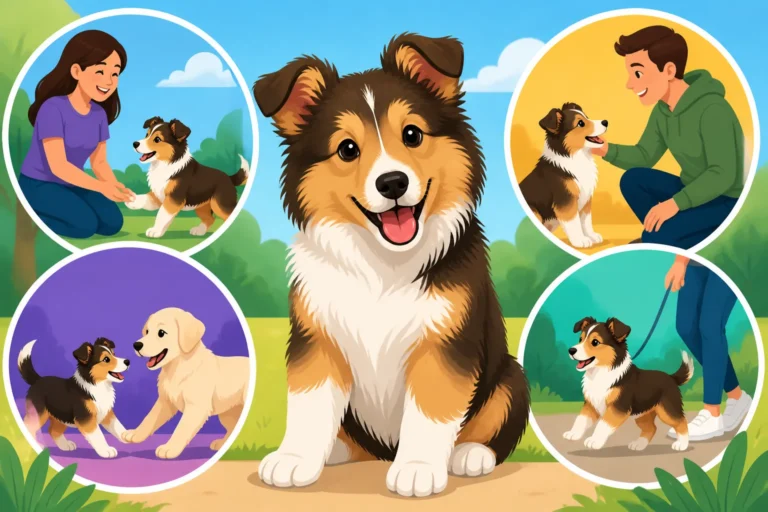
Socialization for a Collie isn't a one-time event in puppyhood; it's an ongoing process throughout their lives. It means continually and positively exposing them to new sights, sounds, people, and appropriate dogs in a controlled and safe manner. The key is positive exposure, ensuring that each new experience is as pleasant and non-threatening as possible. This builds resilience and helps them generalize their comfort to various situations.
For a sensitive Collie, this might mean starting with very brief, calm encounters. Instead of throwing them into a busy dog park, begin with quiet walks where they can observe from a distance, or introduce them to one calm, friendly dog at a time. Reward them for calm observation, not just direct interaction. Attending a well-run, positive reinforcement puppy or adult dog class, like those offered by BAXTER & Bella, can provide structured and safe socialization opportunities under expert guidance.
It's about creating positive associations with the wider world, gradually expanding their comfort zone without overwhelming them. Never force a Collie into an interaction they are clearly uncomfortable with, as this can reverse progress and create new fears. Ongoing, gentle exposure helps them to become well-adjusted, confident companions who can handle the varied experiences of life with grace.
Disclaimer
This article is for general informational purposes only and does not constitute professional advice. Laws, prices and regulations vary by location and change over time. Consult a qualified professional for guidance on your specific situation.