How a Collie Greets a Stranger
One of the questions I hear most often from new Collie owners, or folks just dreaming of bringing one of these magnificent dogs home, is all about how they interact with people they don't know. It’s a completely valid concern, because nobody wants a dog that’s either aggressively protective or overly timid. Understanding how your Collie typically greets a stranger can help you manage these interactions, ensure everyone's comfort, and build a well-adjusted, confident companion.
Understanding the Collie's Nature Towards Strangers
Collies are such unique dogs, aren't they? They possess this incredible blend of intelligence, loyalty, and a certain dignified reserve. It's not uncommon for new owners to wonder if their Collie's calm demeanor around unfamiliar faces means they're shy, or perhaps even aloof. The truth is, it's often a bit more nuanced than that.
The Collie's Reserved Temperament
Unlike some breeds that might greet every new person with an explosion of enthusiastic wiggles and kisses, Collies tend to be a bit more thoughtful. They were originally bred for herding in the Scottish Highlands, a job that required keen observation, intelligence, and a degree of independence, but not necessarily boisterous interactions with every passing human. This historical role contributed to their reserved nature. They're not necessarily shy; they're often just taking a moment to assess the situation and the individual. Think of it less as disinterest and more as a polite, quiet observation. They're processing, evaluating whether this new person is friend or foe, exciting or boring, worth their immediate attention or just another part of the background.
This careful approach means that a Collie typically won't rush headlong into an interaction. They'll watch, they'll listen, and they'll gather information before deciding how to proceed. It's part of their charm, really – they make you earn their affection a little, but once you have it, it's truly a bond. It’s also why A Collie Reads a Room Better Than It Reads a Command; they're constantly picking up on subtle cues.
The Impact of Early Socialization
I cannot stress enough how crucial early socialization is for any dog, and particularly for a Collie. A well-socialized Collie puppy is far more likely to develop into an adult who is confident and comfortable around strangers, rather than one who is overly fearful or reactive. Socialization isn't just about meeting other dogs; it's about positive exposure to a wide variety of sights, sounds, people, and experiences during their critical developmental window.
Imagine a Collie puppy that spends its first few months in a quiet home, rarely encountering anyone outside the immediate family. When suddenly faced with a bustling park full of strangers, the experience can be overwhelming, even frightening. Now, picture a puppy who regularly met gentle, friendly people from all walks of life – different ages, different appearances, different voices. This puppy learns that strangers are generally not a threat and can even be a source of good things, like a gentle pet or a tasty treat. This foundation is invaluable. Neglecting this vital period can unfortunately lead to an [Undersocialized Collie] who struggles with fear-based behaviors later in life.
Common Collie Greeting Behaviors
So, what does it actually look like when a Collie greets someone new? It's often a spectrum, ranging from polite indifference to cautious curiosity, and sometimes, yes, even genuine warmth. It rarely involves jumping or excessive slobbering, which is a blessing for anyone trying to keep their clothes clean!
The "Watch and Wait" Approach
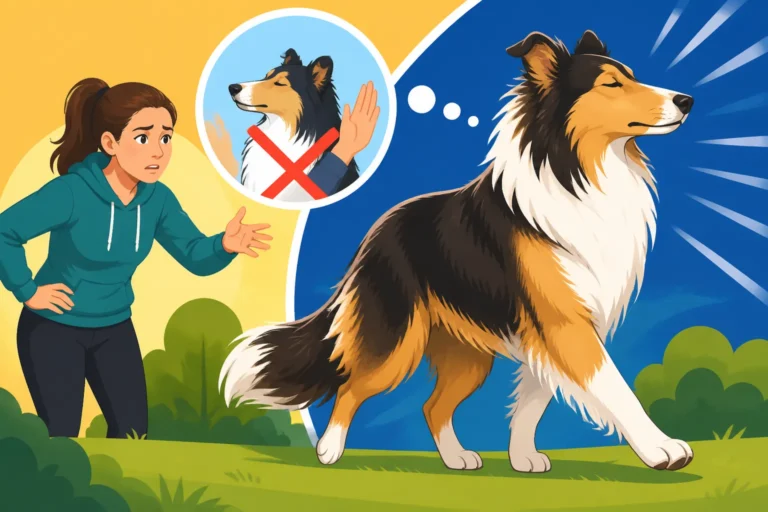
The most characteristic Collie greeting, in my experience, is the "watch and wait." When a stranger approaches, your Collie might stand still, perhaps a little behind your leg or slightly off to the side, observing intently. Their ears might be pricked, eyes focused, tail held in a neutral position – not tucked, but not wildly wagging either. They're processing everything: the person's body language, their scent, the tone of their voice. They might lean into you slightly, seeking reassurance or just staying close.
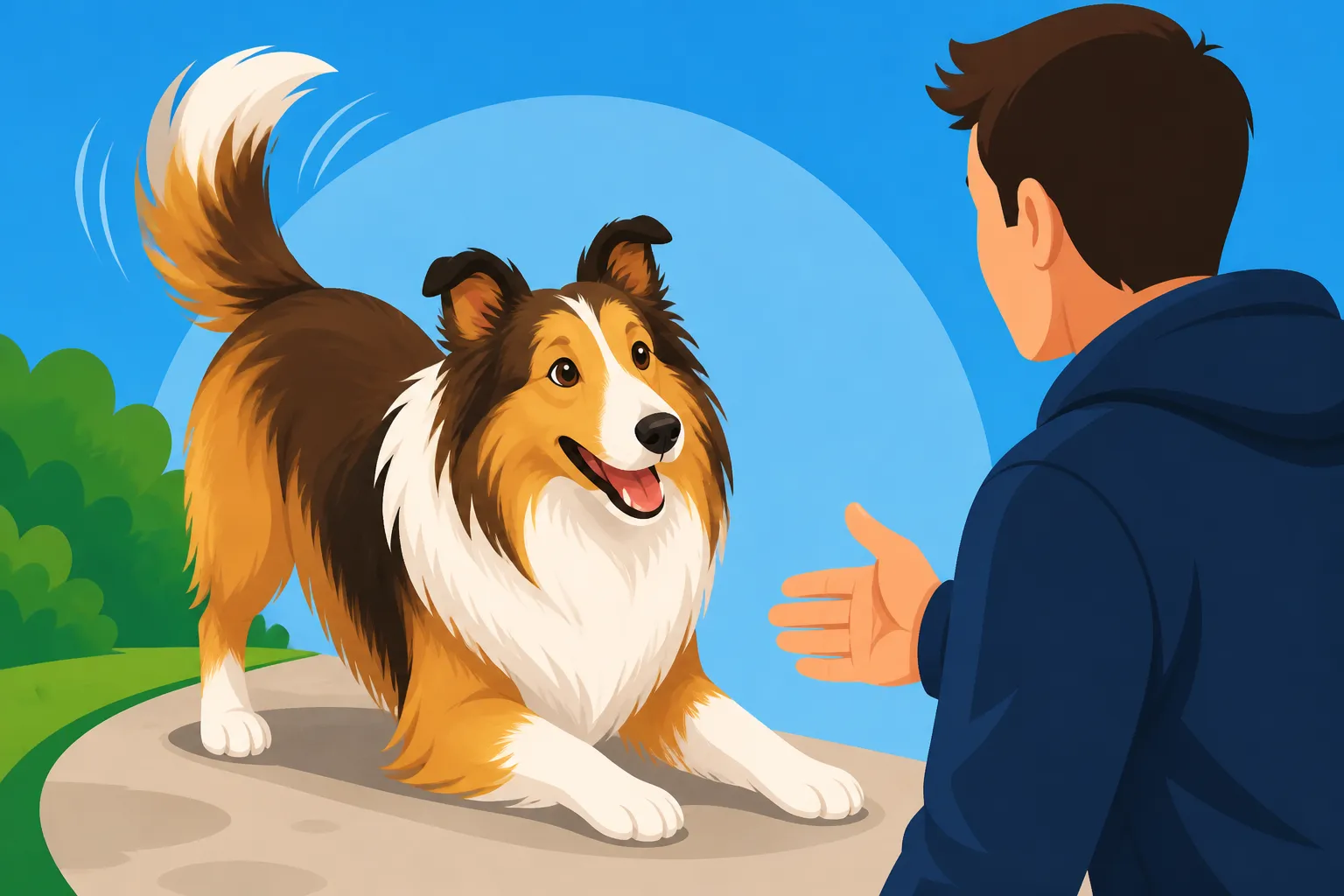
This isn't necessarily fear; it's assessment. They’re deciding if this person is worthy of a closer interaction. If the stranger is calm, doesn't rush them, and perhaps offers a soft, inviting voice, the Collie might slowly, tentatively, approach for a sniff. A polite sniff, then maybe a soft tail wag, usually a low, gentle sweep rather than an excited blur. If the person is loud, abrupt, or tries to grab the Collie, the "wait" might extend indefinitely, or they might choose to disengage entirely. This cautiousness is why Whether a Collie Is Naturally Timid is a common question, and the answer is often "reserved" rather than truly "timid" in a well-adjusted dog.
Signs of Curiosity Versus Apprehension
It's important for Collie owners to be attuned to the subtle cues their dog gives during these interactions. A curious Collie might offer a soft gaze, a slightly open mouth, and a slow, low tail wag. They might take a step or two closer, then retreat, gauging the stranger's reaction. They might even nudge a hand with their nose if they feel comfortable enough. This is a sign they're warming up and considering further engagement.
On the other hand, signs of apprehension can be very subtle. A tucked tail, ears flattened or pulled back, a stiff body posture, lip licking, yawning (when not tired), or turning their head away are all indicators that your Collie isn't comfortable. They might try to put you between themselves and the stranger, or even back away slowly. If you see these signs, it's crucial to advocate for your dog and politely intervene. Don't force interaction; allow your Collie to choose to engage, or not. Remember, Harsh Handling Breaks a Collie and It Does Not Come Back, so respect their boundaries.
Factors Influencing a Collie's Greeting Style
Not all Collies are created equal, of course! Just like people, individual Collies have their own personalities and histories that heavily influence how they greet new people. It's a combination of nature and nurture, and understanding these factors can help you better understand your own dog.
Genetic Predisposition and Breed Lines
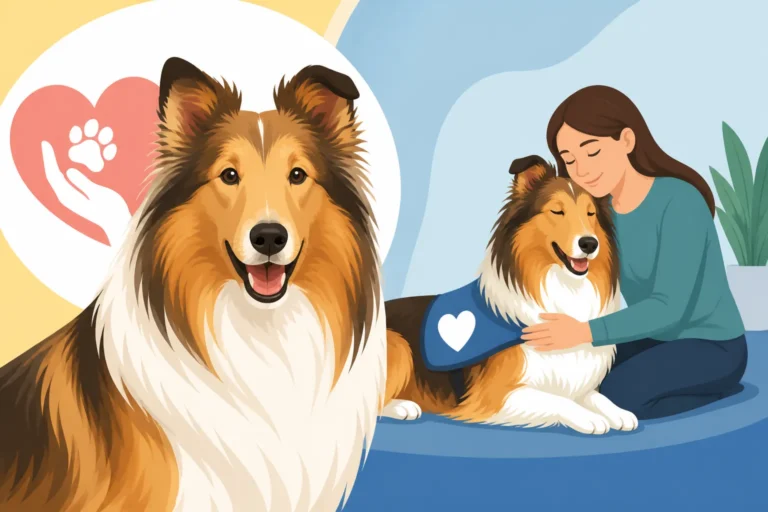
While the Collie breed as a whole tends toward a reserved nature, there's still a spectrum within the breed itself. Some lines are known for being more outgoing, bred for success in public venues like dog shows or therapy work, where confident interaction is a plus. Others might lean more heavily into their herding instincts, being highly observant and less inclined to engage with novelty. Your puppy's genetics play a foundational role. If their parents were confident and friendly with strangers, your puppy has a better chance of inheriting those traits.
This isn't to say genetics are destiny, but they give you a starting point. Knowing your Collie's background, if possible, can provide insight. A responsible breeder will be transparent about the temperaments of their breeding dogs and can offer guidance on what to expect. They also focus on giving puppies early positive experiences to counteract any inherent shyness.
Past Experiences and Trauma
A Collie's past experiences can profoundly shape their future interactions. A dog that has had negative encounters with strangers – perhaps loud children, clumsy adults, or even just being overwhelmed in a busy environment – may develop a lasting apprehension. This can manifest as fear-based aggression or extreme shyness. Even seemingly minor events can leave a lasting impression on a sensitive breed like the Collie.
Conversely, Collies who have had consistently positive, gentle interactions with a wide array of people tend to be more confident. Think of rescue Collies; some arrive with a history of neglect or abuse, making them understandably wary. It takes immense patience and positive reinforcement to help them learn to trust again. For these dogs, every new greeting is a fresh data point, and consistent positive experiences can slowly re-wire their expectations. Building confidence in a nervous Collie, especially one with a difficult past, is a slow and steady process that requires understanding and empathy. How a Rescue Collie Learns to Trust is a long journey, but incredibly rewarding.
Owner's Influence and Body Language
Your Collie is constantly looking to you for cues. They read your body language, your tone of voice, and even your emotional state. If you tense up, pull back on the leash, or act nervous when a stranger approaches, your Collie will pick up on that and interpret the situation as potentially threatening. They learn to associate your apprehension with the presence of strangers.
However, if you remain calm, relaxed, and confident, your Collie is more likely to mirror that behavior. A relaxed leash, a friendly smile, and a calm, reassuring word from you can signal to your Collie that this new person is safe. When a stranger asks to pet your dog, your calm permission and guidance can help facilitate a positive interaction. This bond and trust between you and your Collie is paramount. Your emotional regulation is often your Collie's emotional regulation. This is part of why Whether a Collie Is Sensitive to Household Tension is so relevant; they are incredibly attuned to their human companions.
Managing Greetings: Tips for Collie Owners
Navigating stranger greetings with your Collie doesn't have to be a source of stress. With a few thoughtful strategies, you can help your Collie feel secure and ensure interactions are positive for everyone involved.
Setting Up for Success: Controlled Introductions
Whenever possible, try to control the environment for new introductions. Instead of letting strangers rush your Collie, create a calm, structured meeting. If you're at home, consider having your Collie on a leash initially, allowing them to observe from a safe distance. If you're out and about, look for quieter spots where you won't be overwhelmed by too many people at once.
One of my favorite tips is to have the stranger ignore your Collie at first. It sounds counterintuitive, but for a reserved dog, direct eye contact and immediate attempts at petting can feel intrusive. Ask the person to stand sideways, avoid staring, and speak in a soft, calm voice. They can even toss a treat a few feet away from your Collie to create a positive association without direct pressure. Once your Collie approaches them (not the other way around!), they can then slowly extend a hand for a sniff. This respect for your Collie's space is key. BAXTER & Bella offers some great online resources for teaching polite greetings, which can be invaluable.
The Power of Positive Reinforcement
Every positive interaction with a stranger should be marked with praise, a small, high-value treat, or a favorite toy. Your Collie needs to associate new people with good things happening. If they calmly observe, offer a polite sniff, or even just don't react negatively, reward that behavior! This reinforces that calm greetings are desirable and safe.
Carry a small pouch of irresistible treats with you on walks. When a friendly stranger passes by and your Collie offers a calm observation rather than a bark or a pull, mark that moment with a "yes!" and a treat. If a stranger gently interacts, you can even ask them to offer a treat. Just make sure they place it on the ground or extend it slowly, rather than reaching over your Collie's head. This consistent positive reinforcement builds a strong foundation for future confident greetings. What Motivates a Collie usually involves praise and tasty rewards, so lean into that!
Advocating for Your Collie
As their owner, you are your Collie's biggest advocate. It's perfectly okay, and in fact, essential, to politely decline interactions if your Collie isn't comfortable. You might say something like, "He's a little shy with new people, but thank you!" or "We're actually in training right now, so we need to keep moving." Most people understand, especially if you deliver it with a kind smile.
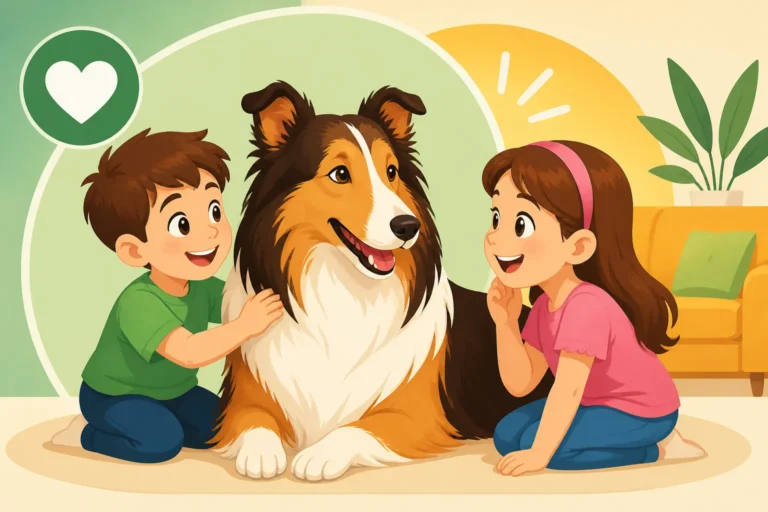
Don't let well-meaning but overzealous strangers force your Collie into an interaction they don't want. A dog who feels trapped or overwhelmed is more likely to develop fear issues. This also applies to children who might run up to your dog; teach kids how to approach dogs calmly and politely. If your Collie is clearly apprehensive, create distance. Your job is to protect your dog's emotional well-being, and that means respecting their boundaries.
When Greetings Go Awry: Addressing Challenges
Even with the best intentions and consistent effort, you might encounter situations where your Collie's greetings aren't ideal. It could be excessive shyness, or perhaps a more boisterous (though rare for a Collie) or anxious reaction. Addressing these challenges effectively requires patience, consistency, and sometimes, professional help.
Addressing Overly Shy or Fearful Greetings
If your Collie consistently retreats, hides, or shows clear signs of fear around strangers, it's crucial to address this gently and proactively. This isn't just about politeness; it's about your dog's quality of life. A constantly fearful dog is under immense stress. Start by identifying triggers: Is it specific types of people (e.g., men with hats, children)? Is it only in certain environments?
Once you understand the triggers, you can begin a desensitization and counter-conditioning program. This involves exposing your Collie to the trigger at such a low intensity that they don't react negatively, while simultaneously pairing it with something highly positive. For instance, have a "stranger" (a friend or family member they don't see often) stand across the street while you calmly feed your Collie their favorite treats. Slowly, over many sessions, gradually decrease the distance as long as your Collie remains calm and happy. Never push them past their comfort threshold. Resources on how to Build Confidence in a Nervous Collie are invaluable here. You can find many enrichment toys and puzzles on Amazon to help keep a nervous Collie mentally engaged and building confidence.
Managing Over-Excitement or Nipping
While less common for Collies than for some other breeds, some young Collies or those lacking proper guidance might get overly excited, jumping up, or in rare cases, even nipping during greetings. This is often an expression of over-stimulation or a lack of understanding of polite manners. They might not be trying to be mean; they just don't know how else to express their excitement or get attention.
For jumping, turn your back and ignore your Collie until all four paws are on the floor. Once they settle, even for a second, turn around and calmly reward them. For nipping, immediately stop the interaction with a firm "no" or "oops" and disengage. Redirect their energy to a suitable chew toy. Consistent training is key. Teach them an alternative behavior, like a "sit" or "four on the floor," that they can offer instead of jumping. Practice these polite greetings with every person they meet, consistently rewarding calm behavior.
When to Seek Professional Guidance
Sometimes, despite your best efforts, a Collie's greeting challenges persist or even worsen. If your Collie displays aggression (growling, lunging, snapping) towards strangers, or if their fear is so debilitating that it impacts their daily life, it's time to call in the professionals. Look for a certified professional dog trainer (CPDT-KA) or a veterinary behaviorist. They can assess your Collie's specific situation, rule out any underlying medical issues, and create a tailored behavior modification plan.
Remember, seeking professional help is a sign of a responsible owner, not a failure. It means you're committed to giving your Collie the best possible chance at a happy, confident life. An expert can offer fresh perspectives, introduce new techniques, and help you navigate complex behavioral issues safely and effectively.
Training and Socialization for Confident Greetings
Proactive training and ongoing socialization are the pillars of raising a Collie who is comfortable and confident greeting strangers. This isn't a one-time event; it's a lifelong commitment to nurturing their social graces.
Puppy Socialization: The Foundation
The importance of puppy socialization cannot be overstated. From roughly 8 to 16 weeks, puppies are incredibly impressionable. During this critical window, introduce your Collie puppy to as many positive experiences with different types of people as possible. Think: adults of all ages, children (supervised and gentle interactions only!), people wearing hats, glasses, or uniforms, people of different ethnicities, people with beards, people using wheelchairs or canes, people carrying umbrellas.
The key word is positive. Every interaction should be calm, brief, and paired with treats and praise. Never force your puppy into a situation where they are scared. If they show signs of apprehension, increase the distance, make the experience less intense, and ensure it remains positive. Puppy classes are excellent for this, providing controlled environments for meeting new people and dogs. Remember to explore Where to Socialize a Collie Puppy beyond just your home.
Ongoing Exposure and Positive Experiences
Socialization doesn't end when your Collie puppy grows up. It's an ongoing process throughout their life. Continue to expose your adult Collie to new people and situations in a positive way. Regular walks in different neighborhoods, visits to dog-friendly stores (if your Collie enjoys it), or even just inviting calm, dog-savvy friends over can provide valuable continued exposure.
Every new person your Collie meets is an opportunity to reinforce positive greeting behaviors. Keep those high-value treats handy. Even if your Collie is generally confident, an occasional positive reinforcement for a calm greeting helps maintain those good habits. It's like regular maintenance for their social skills! The First Year With a Collie Puppy will set the stage, but the maintenance continues indefinitely.
Teaching Specific Cues for Polite Greetings
Beyond just general exposure, you can actively train specific cues that encourage polite greetings. A "sit" or "stay" cue when someone approaches can prevent jumping. A "leave it" cue can be useful if they're too focused on sniffing a stranger inappropriately.
One useful cue to teach is "say hello," which can be paired with a gentle nose touch or a calm stand-and-greet. Practice this in various low-distraction environments first, then gradually increase the distractions. Use a verbal marker ("Yes!" or a clicker) and immediate reward for the desired behavior. Consistency across all family members and friends who interact with your Collie is vital for success. Consider an online training program like BAXTER & Bella, which provides structured lessons and support for teaching your dog good manners in real-world scenarios.
Table: Collie Greeting Styles and Management
Here's a quick overview of how different Collie greeting styles often appear and some practical ways to manage them:
| Greeting Style | Typical Collie Behavior | Owner's Role and Management Strategy |
|---|---|---|
| Reserved/Cautious | Observes from a distance, may lean into owner, slow approach for sniff. | Allow Collie to approach on their terms. Ask strangers to ignore the dog, speak softly, toss treats from a distance. Reward calm observation. Advocate for your dog if they're uncomfortable. |
| Friendly/Curious | Approaches for a sniff, gentle tail wag, soft eye contact, may nudge for attention. | Facilitate polite introductions. Ensure stranger offers hand slowly, pets gently (chest/shoulder, not head). Reinforce "four on the floor" behavior if they tend to jump. Reward calm engagement. |
| Shy/Fearful | Retreats, hides, tail tucked, ears back, lip licking, yawning, body stiff. | Create distance immediately. Never force interaction. Desensitize gradually with high-value treats from afar. Seek professional help for persistent fear. Avoid punishment, which only increases fear. |
| Overly Excited | Jumps up, possibly light mouthing, intense focus, difficulty settling. | Teach "sit" or "four on the floor" for greetings. Turn back and ignore jumping. Redirect energy to appropriate toy. Reward calm behavior. Consistency is paramount. |
| Protective/Reactive | Growling, barking, lunging at approaching strangers (rare for well-bred Collie). | Immediate professional intervention required. Work with a certified trainer or veterinary behaviorist. Safety is the priority; manage with leash and muzzle if necessary, avoid triggers. This is not a typical Collie temperament and requires expert handling. |
Disclaimer
This article is for general informational purposes only and does not constitute professional advice. Laws, prices and regulations vary by location and change over time. Consult a qualified professional for guidance on your specific situation.