Whether a Collie Can Do Agility
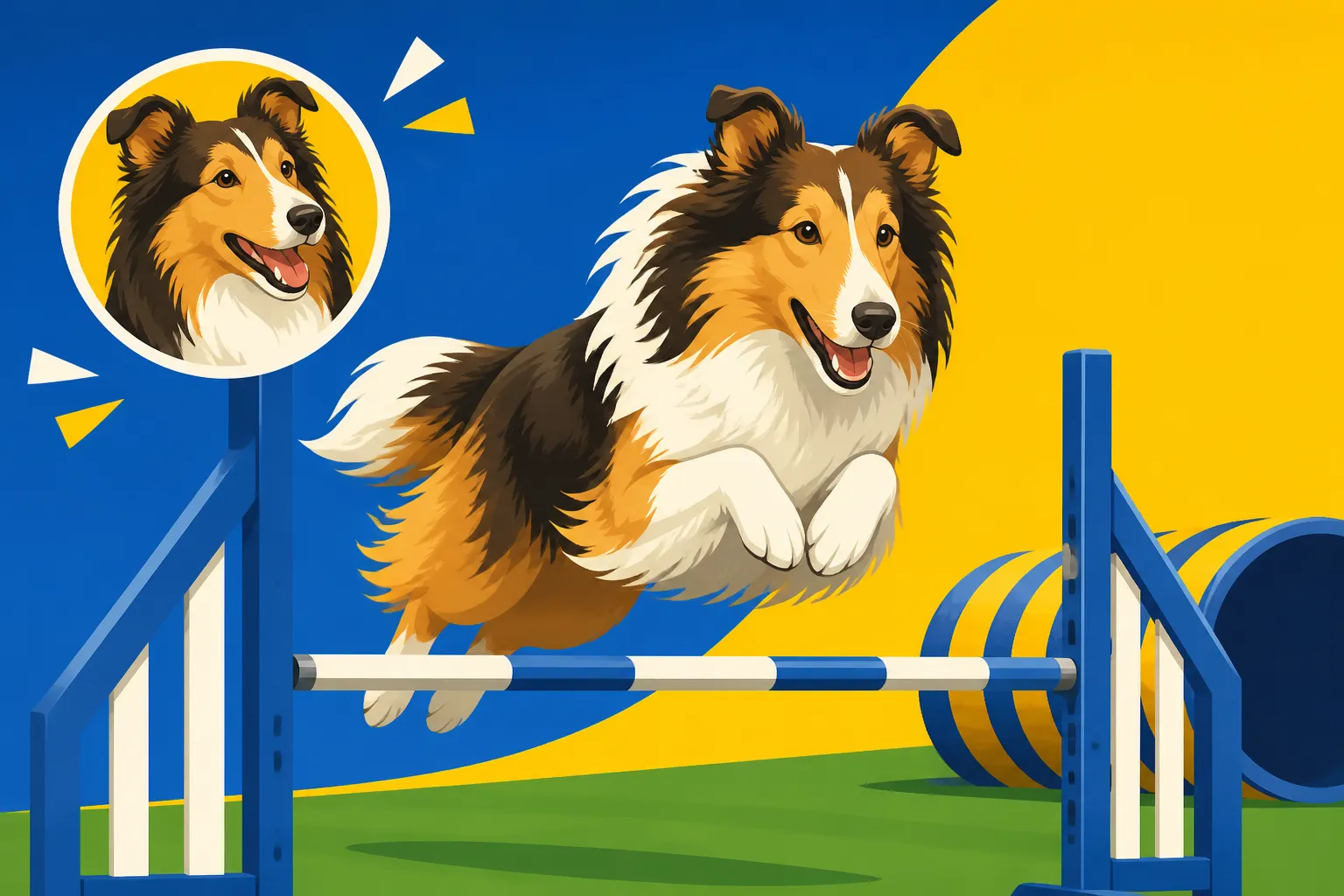
Oh, the agility ring! It's such a thrilling, fast-paced sport, and if you've ever watched those super-speedy Border Collies or nippy Shelties flying over jumps, you might find yourself looking at your own magnificent Collie and wondering, "Could my regal, often-serene companion actually do that?" It’s a common question, and one I’m excited to dive into because the answer is a resounding "Yes, absolutely!" This guide is all about exploring your Collie's potential in agility, addressing those nagging doubts, and helping you embark on what could be an incredibly rewarding journey for both of you.
Understanding the Collie's Natural Aptitude for Agility
Many people envision Collies as stately, gentle souls, perhaps more suited to a quiet walk in the park or lounging by the fireplace. While they excel at being wonderful family companions, beneath that impressive coat and calm demeanor lies a sharp mind and a surprising athleticism perfectly suited for the demands of agility. It’s not just about speed; it's about quick thinking, responsiveness, and a deep partnership.
Herding Instinct and Drive
Let's get back to basics: the Collie is, at its heart, a herding dog. This isn't just a historical footnote; it's a fundamental aspect of their genetic makeup that translates beautifully into agility. Herding dogs are bred to move livestock, which requires bursts of speed, sudden changes in direction, and the ability to work in close communication with a handler. Think about it: a Collie needs to guide a flock, anticipate their movements, and respond instantly to the shepherd's commands. These are precisely the skills that shine in an agility course.
That inherent "drive" to work and to be useful, to cooperate and problem-solve, is what makes Collies such apt students. They aren't just running; they are thinking, processing cues, and engaging with you. This instinct for precision and partnership means they're often eager to learn the intricate patterns and sequences required for agility. It’s not just physical exertion; it’s a mental puzzle that their herding brains are wired to solve, making it incredibly satisfying for them. Whether a Collie Needs a Job to Be Content really speaks to this inner drive – agility offers a fantastic "job."
Intelligence and Trainability
Anyone who lives with a Collie knows they are incredibly intelligent. They pick up on routines, understand complex commands, and often seem to read your mind. This high level of intelligence is a massive advantage in agility, where dogs need to learn not just individual obstacles but entire courses, often with subtle handling cues from their human partner. They don’t just learn what to do; they learn how to learn, which speeds up the training process immensely.
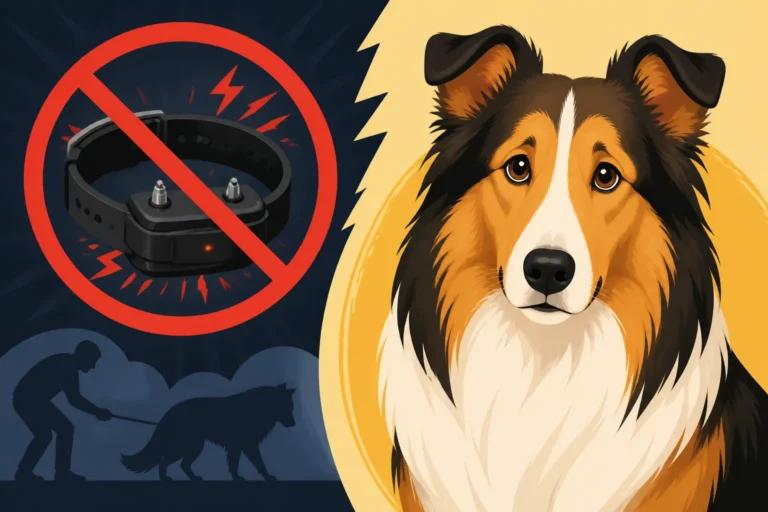
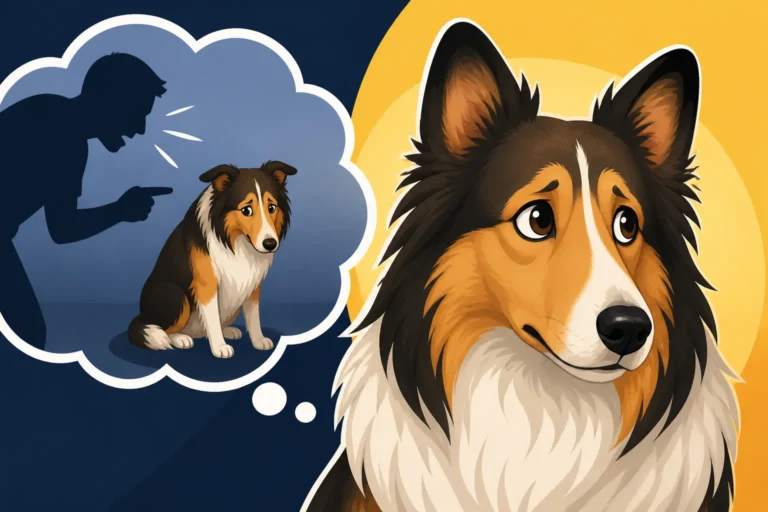
However, Collie intelligence comes with a caveat: they are also famously sensitive. They respond best to positive reinforcement, gentle guidance, and clear communication. Harsh corrections or frustration from a handler can shut a Collie down faster than almost any other breed. They want to please, but they also need to feel safe and confident in their environment and with their trainer. This means an agility handler must be patient, understanding, and committed to building a strong, trust-based relationship. When you master that, your Collie will amaze you with their capacity to learn and perform. A Collie Reads a Room Better Than It Reads a Command highlights their sensitivity, making the right training approach paramount.
Physicality and Structure
Now, about their physical build. Collies are undeniably larger and have a more substantial coat than some of the "typical" agility breeds. This sometimes leads to the misconception that they're too cumbersome or slow. But a well-bred, well-conditioned Collie is anything but clumsy. They possess a long, flowing stride, and when they open up into a gallop, it's a sight to behold—graceful and powerful. Their natural movement allows them to cover ground efficiently and navigate obstacles with surprising fluidity.
It's true that show-line Collies might have a slightly different build than working-line Collies, with some show lines emphasizing a heavier bone or a more exaggerated coat. However, even within the show lines, agility is entirely possible with proper conditioning. The key is ensuring your Collie is in good physical health, at a healthy weight, and has sound structure. Regular exercise builds the necessary muscle tone and stamina for agility, allowing them to perform safely and effectively. Their double coat, while beautiful, does require management to prevent overheating, especially during intense activity.
Common Misconceptions About Collies in Agility
It's completely understandable to have some preconceived notions about Collies and agility. The popular image of a Collie, often stemming from Hollywood portrayals or historical show ring aesthetics, doesn't always scream "athletic powerhouse." Let's debunk a few of those common misunderstandings that might make you hesitate.
"Collies are too big/heavy."
This is perhaps the most frequent concern I hear. People see a Rough Collie, especially one in full coat, and imagine them struggling to clear a jump or weave through poles. The truth is, agility competitions are designed with different dog sizes in mind. There are height divisions, so your Collie won't be competing against a tiny terrier. They'll be jumping at heights appropriate for their size, typically in the 20 or 24-inch classes, sometimes 26 inches depending on their exact height.
Furthermore, "big" doesn't necessarily mean "slow" or "clumsy." Collies are built for endurance and a powerful, ground-covering gait. They might not have the explosive speed of a smaller terrier, but they can be incredibly efficient and accurate, which is just as important in agility. A well-conditioned Collie, with strong muscles and good body awareness, can be incredibly agile despite their size. It's about how they use their body, not just the sheer dimensions of it. Focus on building core strength and flexibility, and your Collie will surprise you with their ability to navigate a course with precision and grace.
"Their coats get in the way."
Ah, the magnificent Collie coat! It's their crowning glory, but yes, it can be a practical consideration for a high-energy sport like agility. The double coat, especially on a Rough Collie, is designed to protect them from the elements, but it can also contribute to overheating during strenuous activity or become snagged on equipment if not properly managed.
However, this isn't a deal-breaker. Regular grooming is essential for any Collie owner, and it becomes even more important for an agility dog. Keeping the coat free of mats and tangles, especially in key areas like the armpits and behind the ears, ensures free movement. Many agility handlers will also trim "feathering" on the legs or around the feet slightly to prevent snagging or collecting dirt, without impacting the overall look or health of the coat. During warm weather, scheduling training sessions for cooler parts of the day, providing plenty of water, and using cooling vests can all help. Ultimately, the coat is something to manage, not a barrier to participation. A Collie's Coat Is the Bill That Arrives Every Eight Weeks touches on the realities of coat care, which extends to active dogs.
"Collies are too delicate/soft for intense sports."
Collies do have a reputation for being sensitive, and as mentioned earlier, they don't respond well to harsh training methods. This sensitivity sometimes gets misinterpreted as being "delicate" or not robust enough for a demanding sport like agility. However, there's a huge difference between being sensitive to training methods and being physically delicate. Collies are tough, durable dogs with a strong work ethic when properly motivated.
Their "softness" in temperament actually makes them incredibly tuned into their handlers. They are eager to please and will try their hearts out for a handler they trust and respect. The "intensity" of agility isn't about physical punishment; it's about focus, speed, and precision, all of which a Collie can absolutely deliver with the right approach. Building a Collie's confidence through positive reinforcement and gradual exposure to new obstacles is key. Once they understand what's asked of them and trust your guidance, they will attack the course with enthusiasm and intelligence. What Motivates a Collie explains how to tap into their desire to work with you.
The Benefits of Agility Training for Your Collie
Beyond proving the doubters wrong, engaging your Collie in agility training offers a wealth of benefits that enhance their overall well-being. It's not just a sport; it's a holistic activity that nourishes their body, mind, and spirit.
Physical Health and Conditioning
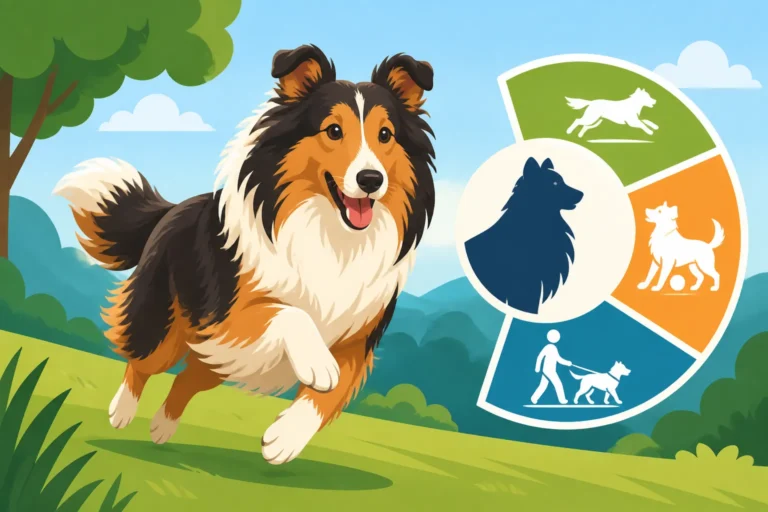
Agility is an incredible full-body workout. It demands bursts of speed, quick turns, jumping, weaving, and balancing – all of which contribute to excellent physical conditioning. Regularly running agility courses builds strong muscles, improves cardiovascular health, and increases stamina. It's a fantastic way to keep your Collie at a healthy weight, which is crucial for preventing a host of health problems as they age. Think of it as cross-training for canines!
The varied movements in agility also improve coordination and body awareness. Dogs learn to place their feet precisely, balance on unstable surfaces, and understand where their body is in space, even when moving at high speeds. This can reduce the risk of everyday injuries and keep them spry and agile well into their senior years. Just like humans, dogs need regular, engaging exercise to stay fit, and agility provides that in spades. How Much Exercise a Collie Needs Daily provides a good baseline, and agility definitely contributes to meeting that need.
Mental Stimulation and Problem Solving
One of the greatest gifts you can give a Collie is an outlet for their intelligence. These are smart dogs, and a bored Collie can sometimes find less desirable ways to entertain themselves (hello, excessive barking or furniture rearranging!). Agility is a fantastic antidote to boredom, providing immense mental stimulation. Your Collie isn't just running; they're constantly processing information: your body language, verbal cues, the layout of the course, and the sequence of obstacles.
Learning new courses, memorizing sequences, and responding to handler commands all engage their problem-solving skills. It builds focus and concentration, channeling their innate herding intelligence into a constructive and exciting activity. The satisfaction a Collie gets from figuring out a complex sequence and executing it perfectly is palpable, leading to a much happier, calmer, and more fulfilled dog at home. Forty Five Minutes a Day, and Half of It in Its Head really drives home the point that mental work is as important as physical for a Collie.
Strengthening the Bond Between You and Your Collie
Agility is, at its core, a team sport. It requires incredible communication, trust, and understanding between handler and dog. As you work together to master obstacles and navigate courses, you'll develop a deeper bond than you might ever imagine. Your Collie learns to rely on your guidance, and you learn to read their subtle signals and anticipate their movements.
This shared experience, filled with challenges and triumphs, creates an unbreakable connection. The positive reinforcement used in agility training—praise, treats, and play—further strengthens this bond, as your Collie associates you with fun, success, and positive experiences. There's nothing quite like the feeling of watching your Collie fly through a course, perfectly in tune with your every move, knowing that you built that teamwork together. It's a relationship built on mutual respect and shared joy.
Getting Started with Agility and Your Collie
So, you're convinced! You're ready to unleash your Collie's inner agility superstar. That's fantastic! Getting started on the right paw is crucial for a positive experience for both of you. It's not about rushing; it's about building a solid foundation and having fun.
Finding the Right Instructor and Class
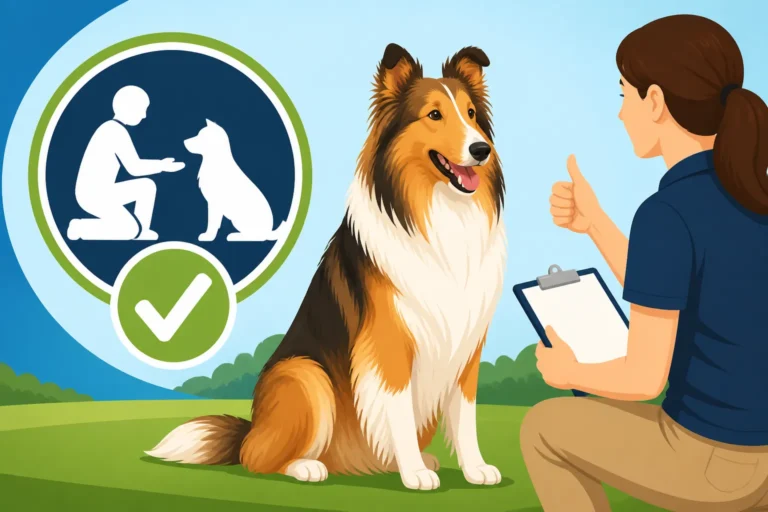
The single most important step in beginning your agility journey is finding a qualified instructor who uses positive reinforcement methods. For a sensitive breed like the Collie, this is non-negotiable. Look for trainers who emphasize building confidence, clear communication, and a strong relationship between dog and handler. An instructor who understands herding breeds and their unique temperament will be an even better fit.
Most training facilities offer a range of classes, starting with "foundations" or "introduction to agility." These classes focus on basic obstacle familiarity, body awareness exercises, and handler mechanics, rather than full courses. It's a gradual process, often using lures and rewards to build positive associations with each piece of equipment. Don't be afraid to observe a class before committing to ensure the teaching style aligns with your Collie's needs and your own philosophy. Ask other Collie owners in your area for recommendations; word-of-mouth is often the best way to find a great trainer.
Essential Equipment and Training at Home
While formal classes are vital, you can certainly start building some foundational skills and familiarity with obstacles at home. You don't need a full-blown agility course to begin! Simple equipment can be purchased or even DIY-ed. A basic tunnel is a fantastic starting point, as most dogs love running through them. Low jumps (made from PVC pipes or even broomsticks over bricks) can introduce the concept of clearing obstacles.
For more specialized equipment like weave poles or regulation jumps, you can often find starter kits or individual pieces online. Retailers like Amazon offer a wide variety of agility equipment for home use, from collapsible tunnels to lightweight jump sets. Always prioritize safety: ensure equipment is stable, doesn't have sharp edges, and is used at appropriate heights for your Collie's size and age. Remember, home practice is for reinforcement and fun, not for pushing your dog to perform complex sequences before they're ready.
Preparing Your Collie for the Demands of Agility
Before you even step foot in an agility class, your Collie needs a solid foundation in basic obedience. A reliable "stay," "come," "sit," and "down" are not just polite manners; they are safety commands in an agility setting. Your Collie also needs to be comfortable working off-leash in a distracting environment. Building these core behaviors at home makes transitioning to agility much smoother.
Physical conditioning is also key. Your Collie should be accustomed to regular walks, runs, or other forms of exercise that build stamina and muscle. If you're starting with a young Collie, be mindful of their growth plates. Most vets and trainers recommend waiting until a dog is at least 12-18 months old before introducing repetitive jumping or weaving, to protect their developing joints. However, you can start body awareness, tunnel work, and low-impact foundational exercises much earlier. Consider an online program like BAXTER & Bella, which offers comprehensive puppy and dog training courses that can build the perfect groundwork for future agility endeavors, focusing on positive, confidence-building methods right from the start.
Challenges and Considerations for Collie Agility
While Collies can absolutely excel in agility, it's not without its specific considerations. Being aware of these challenges upfront can help you navigate them effectively and ensure a positive experience for your furry athlete.
Managing Sensitivity and Confidence
We've talked about the Collie's sensitivity, and this trait can present unique challenges in the fast-paced, often noisy environment of an agility trial or even a busy class. A sensitive Collie might become overwhelmed by loud noises, strange dogs, new people, or even an accidental bump on an obstacle. They can also take corrections, even mild ones, very personally. This isn't a flaw; it's just part of their wonderful temperament, and it means your approach needs to be tailored.
Building confidence is paramount. This means making every training session a positive experience, celebrating small successes, and never forcing your Collie into an uncomfortable situation. If they hesitate at an obstacle, go back to basics, break it down into smaller steps, and reward heavily for any brave attempt. Socialization to various environments, sounds, and people outside of training will also help them feel more comfortable in a busy trial setting. Remember, a confident Collie is a happy and successful Collie, and a strong bond with you is their biggest asset. How to Build Confidence in a Nervous Collie is a great resource here.
The Importance of a Strong Foundation
In agility, rushing is the enemy of progress, especially with a Collie. It can be tempting to want to see your dog flying over jumps right away, but skipping foundational steps can lead to bad habits, insecurity, or even injuries. A strong foundation means thoroughly teaching each obstacle, ensuring your Collie understands the mechanics and is confident performing it before moving on to combining obstacles or increasing speed.
For instance, proper contact obstacle training (like the A-frame or dog walk) requires teaching your Collie to touch specific "contact zones" on the descent, which prevents them from flying off dangerously. Weave poles need to be taught systematically, ensuring a smooth, fast, and consistent entry and exit. Taking the time to build this solid understanding at a slower pace will pay dividends in speed and accuracy later on. It’s about building muscle memory and mental clarity, not just brute force. A good instructor will guide you through this step-by-step process.
Health Considerations
Any dog participating in a physically demanding sport like agility needs to be in excellent health. For Collies, this means being particularly mindful of certain inherited conditions that could impact their ability to safely perform. Before starting agility, a thorough vet check-up is non-negotiable. Your vet can assess their overall fitness, joint health, and rule out any underlying issues.
Specifically for Collies, genetic testing is incredibly important. Knowing your dog's status for conditions like The Three Genetic Tests a Collie Breeder Owes You, especially Assume Your Collie Has the MDR1 Mutation, can inform drug choices if an injury occurs. Conditions like Hip Dysplasia in a Collie or Collie Eye Anomaly Affects Most Collies, So Ask How Badly could impact their physical comfort or vision on a course. A responsible breeder will have already performed these tests, but if you have a rescue or an untested dog, discussing these with your vet is crucial. Agility is a joy, but your Collie's health and safety must always come first.
What Success Looks Like in Collie Agility
When we talk about "success" in agility, it's easy to picture the dogs on television, blazing through courses and winning ribbons. While competing and earning titles is certainly one measure of success, it's far from the only one, especially for a Collie owner. For many, true success lies in the journey itself, the bond forged, and the sheer joy shared.
Competing vs. Recreational Fun
Agility offers a spectrum of engagement. On one end, you have the highly competitive teams aiming for national championships. On the other, you have folks who simply enjoy taking classes, practicing in their backyard, and using agility as a fun way to exercise and bond with their dog. Both are perfectly valid and equally rewarding! Your Collie doesn't care about a ribbon or a title; they care about working with you, having fun, and getting to use their amazing brain and body.
Decide what your goals are. Do you want to compete? If so, be prepared for the dedication and time commitment required. Are you just looking for a fun activity to do together? Then focus on enjoying the process and celebrating every little improvement. Recreational agility can be just as fulfilling, providing all the physical and mental benefits without the pressure of competition. Many Collies thrive in either setting, as long as the focus remains on positive reinforcement and partnership.
The Collie's Unique Strengths in the Ring
When a Collie takes to the agility ring, they bring a certain elegance and intelligence that is truly captivating. Their flowing gait, especially when they open up on a straightaway, is beautiful to watch. They are often incredibly responsive to handler cues, sometimes even anticipating turns or obstacles due to their innate herding ability to read body language. This allows for smooth, often subtle, handling, creating a beautiful dance between dog and human.
Their intelligence means they can often handle more complex sequences and adjust quickly if a handler makes a mistake. They learn patterns and strategies, making them highly effective partners once they've gained confidence. While they might not be the fastest dog on every course, their precision, grace, and partnership can make them incredibly effective and a joy to watch. They truly embody the spirit of a thinking, working dog. Whether a Collie Is Competitive in Obedience shows their capacity for detailed work, which translates well to agility.
Inspiring Other Collie Owners
Perhaps one of the most rewarding aspects of having a Collie succeed in agility is the ability to inspire others. When people see a graceful, happy Collie excelling in the ring, it often challenges their preconceived notions about the breed. It shows that Collies are not just beautiful companions, but capable, intelligent athletes who can shine in performance sports.
By participating and sharing your journey, you help educate the public about the true versatility and athleticism of the Collie. You can encourage other Collie owners who might have thought their dog was "too big" or "too soft" to give agility a try. It helps to promote responsible breeding, emphasizing health and soundness, as these traits are essential for an active dog. Ultimately, every Collie who successfully enjoys agility helps to celebrate and elevate the breed, showcasing their incredible potential to the world.
| Agility Misconception About Collies | Collie Reality in Agility |
|---|---|
| Too big/heavy to be agile | Collies are powerful, graceful athletes with a long stride. Agility classes are height-based, allowing them to compete at appropriate jump heights. Conditioning enhances their natural athleticism. |
| Their long coat hinders movement | With proper grooming and occasional light trimming, a Collie's coat is manageable. It requires attention to prevent matting and overheating, but it's not a barrier to participation. |
| Too "soft" or delicate for intense sport | While sensitive to harsh methods, Collies are mentally tough and thrive on positive reinforcement. Their eagerness to please and bond with their handler makes them dedicated and enthusiastic partners. |
| Not fast enough to be competitive | Agility isn't just about raw speed; precision, accuracy, and handler communication are equally vital. Collies excel at understanding complex sequences and working closely with their handler. |
| Only herding breeds like Border Collies are good | Collies are also a herding breed with innate intelligence, drive, and responsiveness that translates perfectly to agility. They are problem-solvers who love a job. |
Disclaimer
This article is for general informational purposes only and does not constitute professional advice. Laws, prices and regulations vary by location and change over time. Consult a qualified professional for guidance on your specific situation.