Whether a Collie Waits by the Door
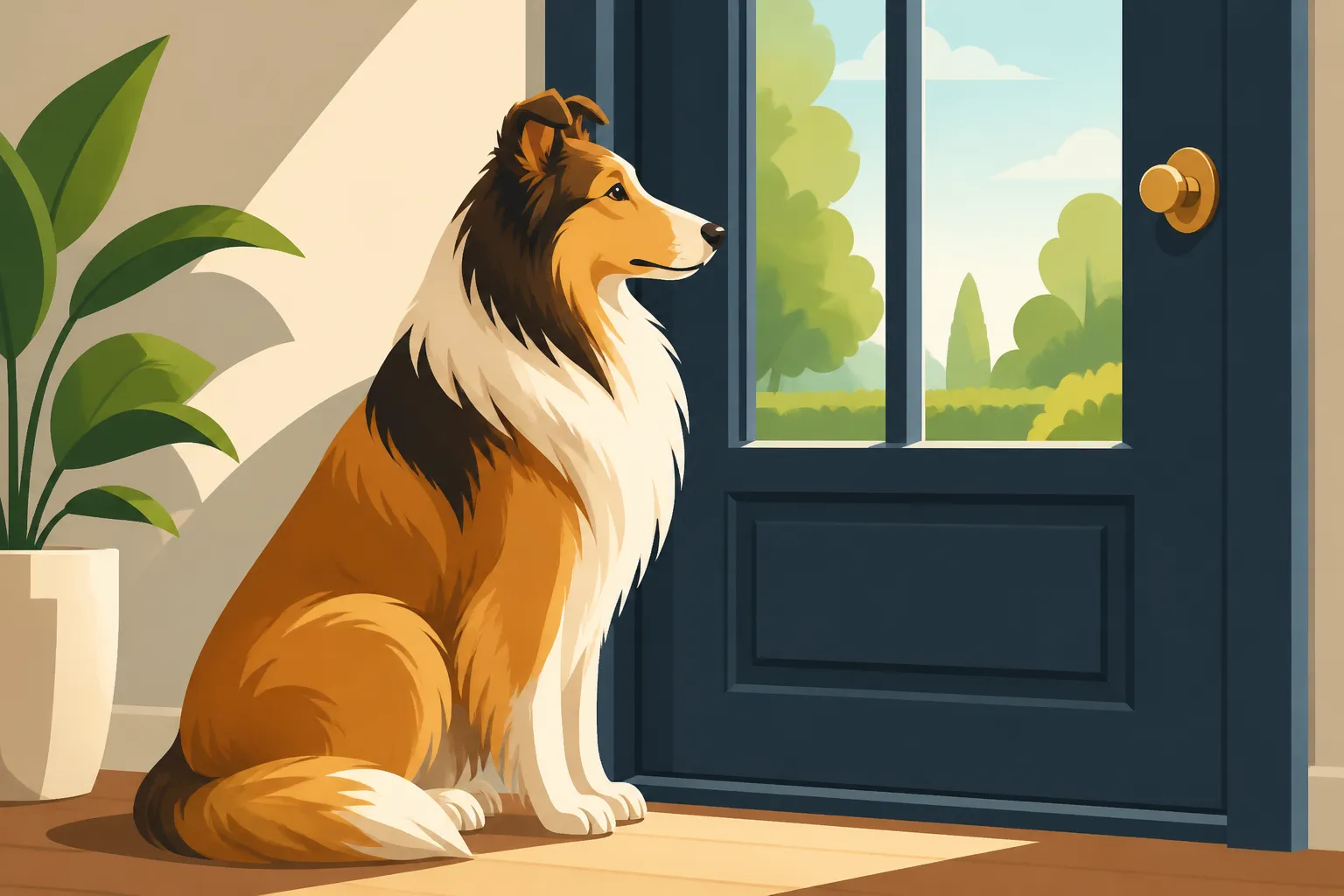
It's a common, endearing, and sometimes a little bewildering experience for Collie owners: you stand up, your Collie stands up. You head to the kitchen, they follow. You go to the bathroom, and often, there they are, patiently waiting outside the door. This guide dives deep into why your beloved Collie seems to have a permanent magnet to your movements, especially around the front door, distinguishing between their natural devotion and potential signs of anxiety.
The Collie's Deep Attachment: Why They're Always Underfoot
Let's be honest, it's pretty sweet, isn't it? That constant shadow, that furry companion who always wants to be in the same room as you, often just a paw's length away. Collies have a reputation for being incredibly devoted, almost living to be near their people. This isn't just a charming quirk; it's rooted deep in their history and temperament. You’re not imagining it; your Collie really does follow you from room to room.
Understanding the Herding Dog Instinct to Stick Together
Think back to what Collies were originally bred for. They were the shepherd's right hand, tasked with keeping flocks of sheep cohesive and safe. This wasn't a job for a dog that wandered off or was easily distracted. They needed to be constantly aware of their flock's movements, to anticipate dangers, and to respond to the subtle cues of their human partner. This instinct to keep the "flock"—which, in modern life, means your family—together is incredibly strong.
For your Collie, you are their flock. They feel a deep, inherent responsibility to know where you are, what you're doing, and to ensure everyone is accounted for. So, when you move from the living room to the study, your Collie isn't being clingy just to annoy you; they're fulfilling a centuries-old directive to keep their most precious charges safe and in sight. It's a testament to their loyalty and their ingrained purpose. This also explains why they often lie in doorways or central hallways, strategically positioned to monitor movements in multiple directions.
The Velcro Dog Phenomenon in Collies
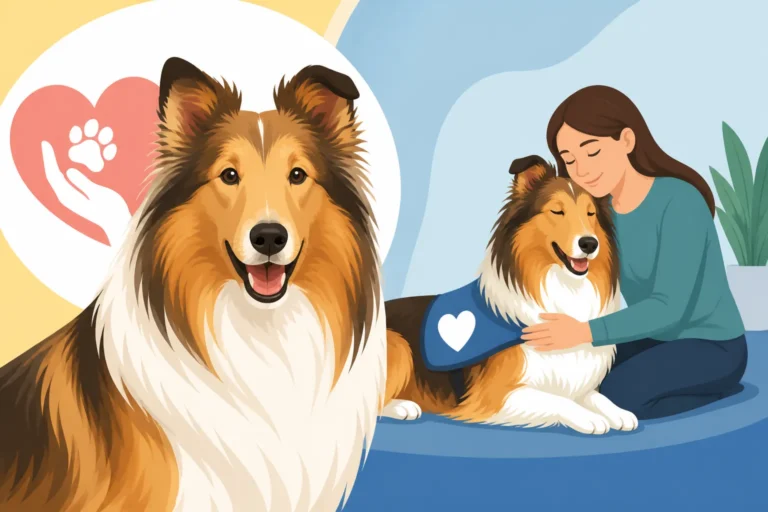
"Velcro dog" is a term affectionately used to describe dogs that stick to their owners like glue, and it perfectly encapsulates the Collie experience. This isn't just about following; it's about proximity. They want to lie at your feet while you work, sit beside you on the couch, and yes, wait by the door when you leave a room. For many Collie owners, this is part of their charm. It’s a comforting presence, a silent affirmation of their bond with you.
This characteristic can sometimes be mistaken for an issue, but for many Collies, it's simply their default setting. They thrive on companionship and derive comfort from being close to their human family. It’s their way of staying connected and feeling secure. The warmth of your presence, the rhythm of your breathing, even the faint scent of your clothing – these are all reassuring signals to a Collie. It’s also why they are so attuned to your moods and changes in the household; A Collie Reads a Room Better Than It Reads a Command, making them incredibly sensitive companions.
However, while endearing, it’s important to understand the difference between a natural "Velcro" tendency and something more concerning. A Collie who is a "Velcro dog" might be a constant shadow, but they should generally be able to settle down and relax when you're busy or when you've left the immediate vicinity. The critical point is their underlying emotional state: are they calm and content in your presence, or anxious and dependent?
Is Waiting by the Door a Sign of Love or Anxiety?
This is where many Collie owners start to wonder. Is my dog just incredibly loyal, or are they genuinely distressed when I'm out of sight? The distinction is crucial for their well-being and your peace of mind. A Collie's intense gaze as you put on your shoes or their patient vigil by the door after you've left can tug at the heartstrings, but it's important to interpret these behaviors correctly.
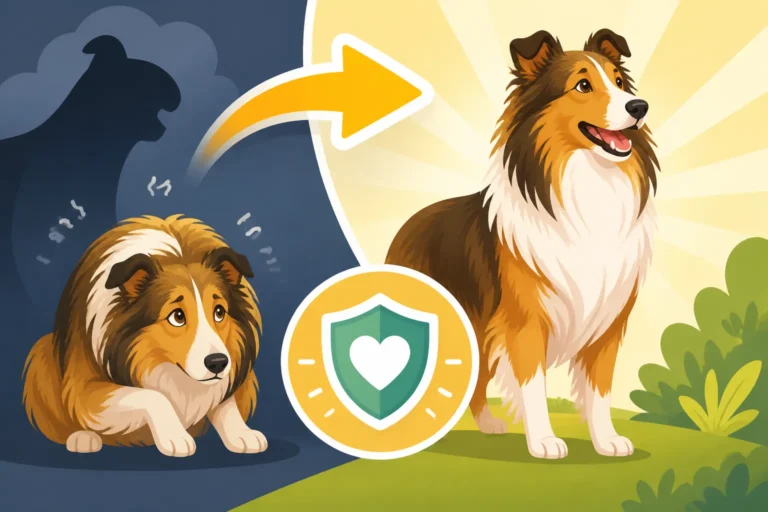
Distinguishing Normal Waiting from Separation Anxiety
Let's break down the difference. A Collie waiting by the door, or even staring at you intently while you prepare to leave, can be perfectly normal. They're observant creatures, and they pick up on routines very quickly. They know the sound of your keys, the way you grab your coat, or the particular shoes you wear for going out. Their anticipation is often based on learned cues that predict your departure.
-
Normal Waiting:
- Your Collie watches you leave, perhaps sighs, and then generally settles down after a few minutes.
- They might sleep near the door or in a favorite spot but aren't frantically pacing, howling, or trying to break out.
- When you return, they greet you happily, perhaps with wiggles and enthusiastic tail wags, but don't seem overly distraught or relieved in a panicked way.
- They might check in on you frequently when you're home, but they can also entertain themselves or nap quietly in another room for periods.
-
Separation Anxiety:
- This is a much more intense and distressing emotional response. It's not just waiting; it's panic.
- Symptoms often begin before you even leave, as your Collie recognizes your departure cues. They might pace, pant excessively, whine, or try to block your exit.
- Once you're gone, the behaviors escalate significantly. This can include:
- Excessive vocalization: Persistent barking, howling, or whining that sounds distressed.
- Destructive behavior: Chewing on doors, doorframes, windowsills, or other household items, often concentrated around exit points.
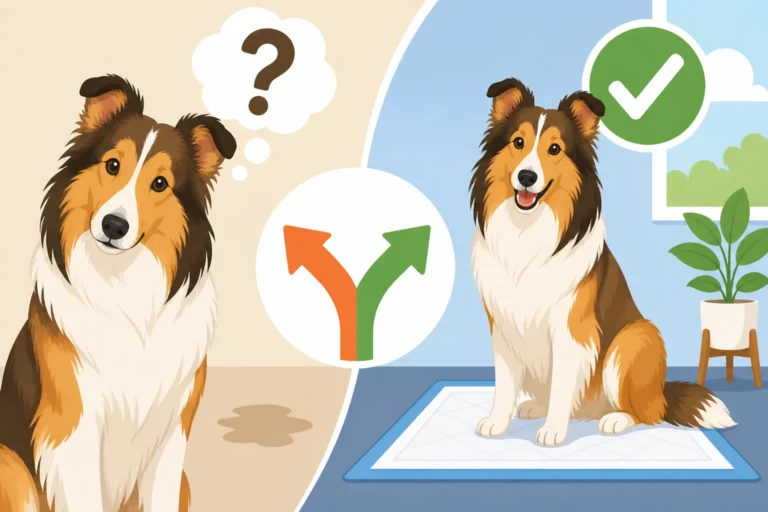
- Inappropriate elimination: Urinating or defecating indoors, even if house-trained, which is a symptom of extreme stress, not spite.
- Escape attempts: Trying to scratch or chew through doors or windows, sometimes injuring themselves in the process.
- Pacing: Continuous, often frantic pacing or circling.
- Hyper-salivation: Drooling excessively.
- When you return, the greeting is often frantic and prolonged, as if your dog truly believed you were never coming back.
If you're noticing more of the separation anxiety symptoms, it's a serious welfare issue that needs addressing. You might want to consider reading Whether a Collie Gets Separation Anxiety for more detailed insights.
Factors Influencing Door-Waiting Behavior
Several things can contribute to how strongly your Collie exhibits door-waiting behaviors, from gentle vigilance to anxious pacing.
- Individual Temperament: Just like people, Collies have unique personalities. Some are naturally more independent, while others are profoundly sensitive and attached. A very soft or timid Collie might be more prone to showing anxiety around departures. A confident, well-socialized Collie might still watch you go but trust you'll return.
- Past Experiences: A rescue Collie, especially one who has experienced abandonment or multiple home changes, might be more prone to anxiety when left alone. Their waiting by the door could be a deeply ingrained fear of being left permanently. Conversely, a puppy from a stable, loving home, properly socialized from a young age, often develops a more secure attachment style. How a Rescue Collie Learns to Trust touches on the unique needs of these dogs.
- Routine and Predictability: Dogs thrive on routine. If your departures are always chaotic, sudden, or inconsistent, it can increase your Collie's stress. A predictable routine, even one that includes your absence, helps them understand what to expect. Conversely, a sudden change in routine—like you suddenly working from home then returning to an office job—can trigger or exacerbate waiting behaviors.
- Training and Socialization: Early and consistent training is invaluable. A well-socialized puppy who has learned that being alone for short periods is okay, and that you always return, will handle departures better. Training them a "place" command or teaching them to settle can help them feel more secure when you're not immediately available. The First Year With a Collie Puppy outlines many strategies for building a well-adjusted companion.
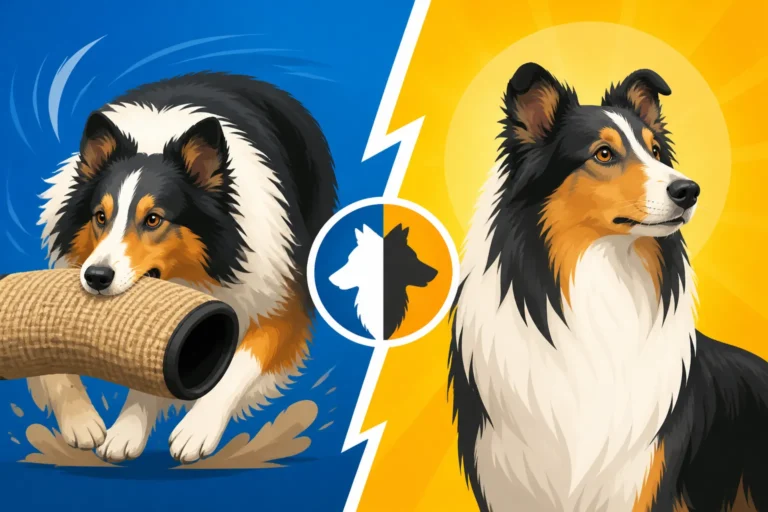
Ultimately, your Collie's door-waiting behavior is often a mix of their deep-seated herding instinct, their loving nature, and their learned anticipation of your movements. The key is to differentiate a sweet, watchful companion from a dog suffering from true distress.
| Behavior Trait | Normal Waiting Collie | Collie with Separation Anxiety |
|---|---|---|
| Pre-departure | Observes calmly, may follow, settles if ignored. | Pacing, panting, whining, trying to block exit, frantic. |
| During Absence | Sleeps, plays with toys, watches out window calmly. | Excessive barking/howling, destructive chewing (exit areas), inappropriate elimination. |
| Behavior at Door | Waits patiently, may rest head on floor by door. | Scratches, chews, attempts to escape, frantic pacing at door. |
| Vocalization | Minimal, occasional "alert" bark if something passes. | Persistent, distressed barking or howling for prolonged periods. |
| Destruction | Generally none. | Chewing doorframes, windowsills, personal items, often near exits. |
| Elimination | Holds bladder/bowel until human returns, or uses designated spot if access. | Urinates/defecates inappropriately indoors due to panic, even if house-trained. |
| Return Greeting | Happy, wagging tail, relaxed body language. | Frantic, prolonged, almost hysterical relief, difficulty settling. |
| Settling After You Leave | Settles down within minutes, finds a resting spot. | Remains agitated, continuously active, unable to relax or sleep. |
Strategies for Managing Door-Waiting and Building Independence
It’s completely natural to want your Collie to feel safe and loved, even when you're not physically present. Helping them develop a healthy sense of independence can actually strengthen your bond and improve their overall well-being. It’s about teaching them that your departures are temporary and that they can cope calmly while you’re gone.
Cultivating Calm Departures and Arrivals
One of the biggest mistakes we often make as dog owners is turning departures and arrivals into a huge production. Grand goodbyes with lots of cuddles and emotional language can inadvertently amplify your Collie's anxiety, signaling that your leaving is a big, stressful event. Similarly, over-the-top greetings when you return can reinforce the idea that your absence was a traumatic ordeal.
Instead, aim for calm and low-key transitions.
- Make departures a non-event: About 10-15 minutes before you leave, start ignoring your Collie. Don't make eye contact, don't pet them, don't talk to them. When you actually walk out the door, do so without a fuss. No dramatic goodbyes. The goal is to make your exit as unremarkable as possible.
- Decouple departure cues: Your Collie learns your routine quickly. The jingle of keys, the sound of you picking up your bag, putting on your shoes—these all become signals that you're leaving. Practice doing these things without actually leaving. Pick up your keys, walk to the door, then sit back down. Put on your coat, then go read a book. This helps to desensitize your Collie to these cues, so they don't immediately associate them with panic.
- Calm arrivals: When you first come home, resist the urge to immediately greet your excited Collie. Walk in calmly, put your things down, perhaps go to the kitchen for a glass of water. Wait until your Collie has settled and is offering a calm behavior (like sitting or lying down) before you engage with them. Then, offer a quiet greeting and some gentle affection. This teaches them that calm behavior is what gets your attention, not frantic excitement.
Consistency is absolutely key here. Every family member needs to be on board with these practices to avoid sending mixed signals.
Enriching the Collie's Environment While You're Away
A bored Collie is often an anxious or destructive Collie. Providing mental and physical stimulation before you leave and during your absence can make a huge difference in how well they cope. Remember, Forty Five Minutes a Day, and Half of It in Its Head is a good guideline for a Collie's exercise, and mental stimulation is a big part of that.
- Pre-departure exercise: A good, vigorous walk or a play session before you leave can help tire your Collie out both physically and mentally. A tired dog is more likely to settle down and sleep while you're gone.
- Interactive toys and chews: These are absolute lifesavers. Fill a Kong with peanut butter, yogurt, or wet food and freeze it. This can keep your Collie occupied for a significant amount of time. Puzzle feeders that dispense kibble as your dog manipulates them are also excellent for mental engagement. You can find a wide variety of these kinds of enrichment toys on Amazon, offering different levels of challenge to keep things interesting.
- Comfort items: Some Collies benefit from having a comfort item with your scent on it, like an old T-shirt you've worn. This familiar scent can be reassuring. A comfy bed or crate (if they are crate-trained and enjoy their crate) in a quiet, safe space can also provide a sense of security.
- Background noise: Leaving a radio on at a low volume or a TV with a calm program can help mask outside noises that might trigger barking or anxiety, and it can make the house feel less "empty."
By making their environment engaging and comfortable, you're not just distracting them; you're actively helping them build positive associations with being alone.
Training for Independence and Confidence
Beyond managing departures, proactive training can build your Collie's confidence and teach them that being a little further from you is perfectly safe.
- "Place" or "Mat" training: This is a fantastic exercise. Teach your Collie to go to a designated "place" (like a dog bed or mat) and stay there for increasing durations, even as you move around the house. Start with short periods and reward heavily. Gradually increase the distance you move away and the length of time they stay. This teaches them to be content and relaxed in their own space, even when you're not right next to them.
- Gradual absences: Start with extremely short absences. Step out the door for literally 5 seconds, then come back in calmly before your Collie has a chance to get distressed. Gradually increase the duration: 10 seconds, 30 seconds, 1 minute, 5 minutes, and so on. Only increase the time if your Collie remains calm. If they show signs of stress, you've gone too fast, and you need to go back to a shorter, successful duration.
- Practice alone time while you're home: This might sound counterintuitive, but it's important. Put your Collie in a separate room (like a laundry room or a safely gated area) with a long-lasting chew or puzzle toy while you're still in the house. This helps them learn that being alone doesn't always mean you've left the house entirely, and that it can be a pleasant, quiet time.
- Positive reinforcement: Always reward calm, independent behavior. If your Collie chooses to lie down quietly in another room, praise them gently or offer a quiet treat. If they ignore your departure cues and stay relaxed, make a mental note to praise them later when you next interact. Collies are intelligent and sensitive; Harsh Handling Breaks a Collie and It Does Not Come Back, so positive methods are always the way to go.
- Consider a dog walker or daycare: If you have long workdays, a midday walk with a trusted dog walker can break up the solitude and provide much-needed exercise and a potty break. For some Collies, a few days a week at a reputable doggy daycare can provide socialization and mental stimulation, though you'll want to ensure it's a good fit for their sensitive nature. How Long a Collie Copes Alone might offer more context on managing longer periods of solitude.
When to Seek Professional Help for Excessive Waiting
While a Collie's devotion is charming, if their door-waiting behavior tips into genuine distress, it's time to take it seriously. Ignoring severe separation anxiety can lead to a decline in your dog's quality of life and potentially unsafe situations for them.
Recognizing Red Flags for Separation Anxiety
We've touched on some of these already, but it's worth reiterating the signs that indicate your Collie's waiting by the door isn't just endearing loyalty but a cry for help.
- Self-harm: If your Collie is scratching, chewing, or digging at exit points so intensely that they injure their paws, teeth, or nose, this is a clear sign of severe distress.
- Escalating destruction: Beyond mild chewing on a toy, if your Collie is systematically destroying furniture, doors, or windows specifically when you are absent, it's a major red flag. This isn't naughtiness; it's panic.
- Persistent vocalization: Neighbors reporting constant barking or howling throughout your absence is a strong indicator of separation anxiety. Many owners discover this through notes from neighbors or by setting up a camera.
- House soiling (when reliably house-trained): If your adult, house-trained Collie consistently has accidents indoors only when left alone, it's rarely defiance. It's often a physiological symptom of extreme stress and fear.
- Pacing and drooling: If a camera reveals your Collie incessantly pacing, panting heavily, or drooling puddles while you're gone, these are also strong signs of anxiety.
If you observe these behaviors consistently, especially if they worsen over time or after changes in routine, your Collie needs professional intervention. These are not behaviors they can simply "get over" or be punished out of.
Consulting a Professional Dog Trainer or Behaviorist
When you recognize these red flags, the best step you can take is to reach out to a certified professional dog trainer or a veterinary behaviorist. These experts have specialized knowledge in canine behavior and can create a tailored plan to help your Collie.
- What to expect from a professional: A professional will typically start with a thorough assessment of your Collie's behavior, your household routine, and your dog's history. They might ask you to video your Collie when you're away to get an accurate picture of their behavior. They will then help you develop a structured desensitization and counter-conditioning program. This involves gradually reintroducing alone time in a way that helps your Collie build positive associations and cope without panic.
- Finding the right professional: Look for trainers certified by reputable organizations, such as the Certification Council for Professional Dog Trainers (CCPDT) or the Karen Pryor Academy. For more severe cases, a veterinary behaviorist (a veterinarian with specialized training in animal behavior) can prescribe medication if necessary, alongside behavior modification, to help manage the anxiety.
- Online resources: While in-person help is often ideal, resources like BAXTER & Bella offer comprehensive online puppy and dog training programs that can provide excellent foundational skills and support for managing common behavioral issues, including aspects of separation. Their structured approach can be a great starting point, especially for owners who need guidance on consistent positive reinforcement. However, for diagnosed separation anxiety, an in-person specialist remains the gold standard.
Remember, addressing separation anxiety is a process that requires patience, consistency, and often, professional guidance. It's a journey, but one that will ultimately lead to a happier, more secure Collie who can cope peacefully when you're not by their side. They may always wait by the door, but it will be out of love and anticipation, not distress.
Disclaimer
This article is for general informational purposes only and does not constitute professional advice. Laws, prices and regulations vary by location and change over time. Consult a qualified professional for guidance on your specific situation.