Whether One Copy of MDR1 Is Enough to Harm a Collie
It's incredibly unsettling to know your beloved Collie carries a genetic mutation that could make common medications dangerous, and even more so when there's confusion about whether just one copy of that gene poses a real threat. Many Collie owners grapple with the anxiety of a partial diagnosis, unsure if their dog is truly "at risk" or if it's merely a carrier with no practical implications. This comprehensive guide will meticulously explore what it means for your Collie to have one copy of the MDR1 gene, detailing the science behind it, the actual risks involved, and how you can ensure your furry family member remains safe and healthy.
What is the MDR1 Gene and Why It Matters for Collies
The Multidrug Resistance 1 (MDR1) gene, now often referred to as ABCB1, is a fascinating and critical piece of a dog's genetic makeup, particularly for our Collies. For many years, breeders and owners have known about its profound implications, but the specifics of why it's such a concern, especially when only one copy is present, can still feel complex and daunting. It's not just about a list of dangerous drugs; it's about understanding a fundamental biological mechanism that impacts drug metabolism and safety.
The P-Glycoprotein Pump and Drug Transport
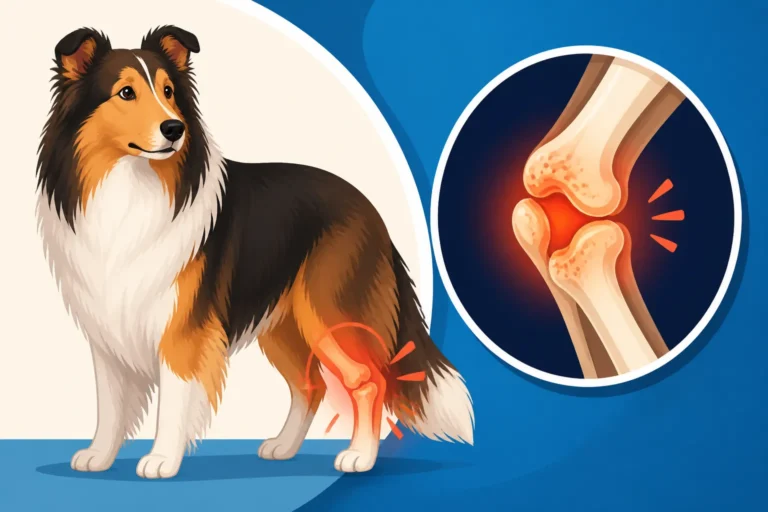
At the heart of the MDR1 gene's function is something called P-glycoprotein, or P-gp. Think of P-gp as a tiny, highly efficient bouncer located in various crucial areas of your Collie's body – particularly in the brain, intestines, liver, and kidneys. Its primary job is to pump certain drugs and toxins out of cells, acting as a protective barrier. For instance, in the brain, P-gp forms a vital part of the blood-brain barrier, preventing many potentially harmful substances from entering the central nervous system. It also plays a role in the liver, aiding in drug excretion, and in the intestines, limiting the absorption of certain compounds.
When the MDR1 gene is working correctly, this P-gp pump functions optimally, providing a robust defense system. However, a mutation in the MDR1 gene leads to a defective or non-functional P-gp pump. This means that instead of being efficiently pumped out, certain drugs can accumulate to toxic levels in sensitive areas, especially the brain. This accumulation is what leads to severe, often life-threatening, adverse drug reactions that Collie owners dread. Understanding What the MDR1 Mutation Actually Does to a Collie is paramount to grasping the full scope of this genetic condition.
The Collie's Unique Vulnerability
Collies, along with several other herding breeds like Australian Shepherds, Shetland Sheepdogs, and Old English Sheepdogs, have a known predisposition to this MDR1 mutation. It's an inherited condition, meaning it's passed down from parent to offspring. For generations, this gene has been circulating in the breed, and it's why Assume Your Collie Has the MDR1 Mutation until proven otherwise through testing. The historical context suggests that the mutation likely became prevalent due to foundational dogs carrying the gene being widely used in breeding programs before the genetic link was fully understood.
The vulnerability stems from the fact that the mutation essentially removes or severely impairs that "bouncer" from performing its duty. Without a fully functional P-gp pump, even standard therapeutic doses of certain medications can become toxic. This is particularly frightening because many of these drugs are common veterinary medicines used for everything from pain management to deworming. This genetic quirk means that a Collie isn't just a dog; it's a dog with a specific, genetically-encoded pharmacological sensitivity that demands careful consideration from every vet and owner.
Understanding the Genetics: Heterozygous vs. Homozygous
When you get your Collie tested for MDR1, the results will usually categorize your dog into one of three genotypes. This isn't just academic jargon; it directly impacts how you and your vet approach their care. The key distinction lies in whether your Collie has zero, one, or two copies of the mutated gene.
Defining the MDR1 Genotypes
Let's break down the genetic possibilities:
- MDR1 +/+ (Normal / Clear): This means your Collie has two normal copies of the MDR1 gene. Their P-glycoprotein pump is fully functional, and they are not expected to have adverse reactions to drugs on the MDR1 sensitivity list due to this specific genetic mutation. They are also sometimes referred to as "wild type." These dogs can still experience drug reactions, of course, but it won't be because of the MDR1 mutation.
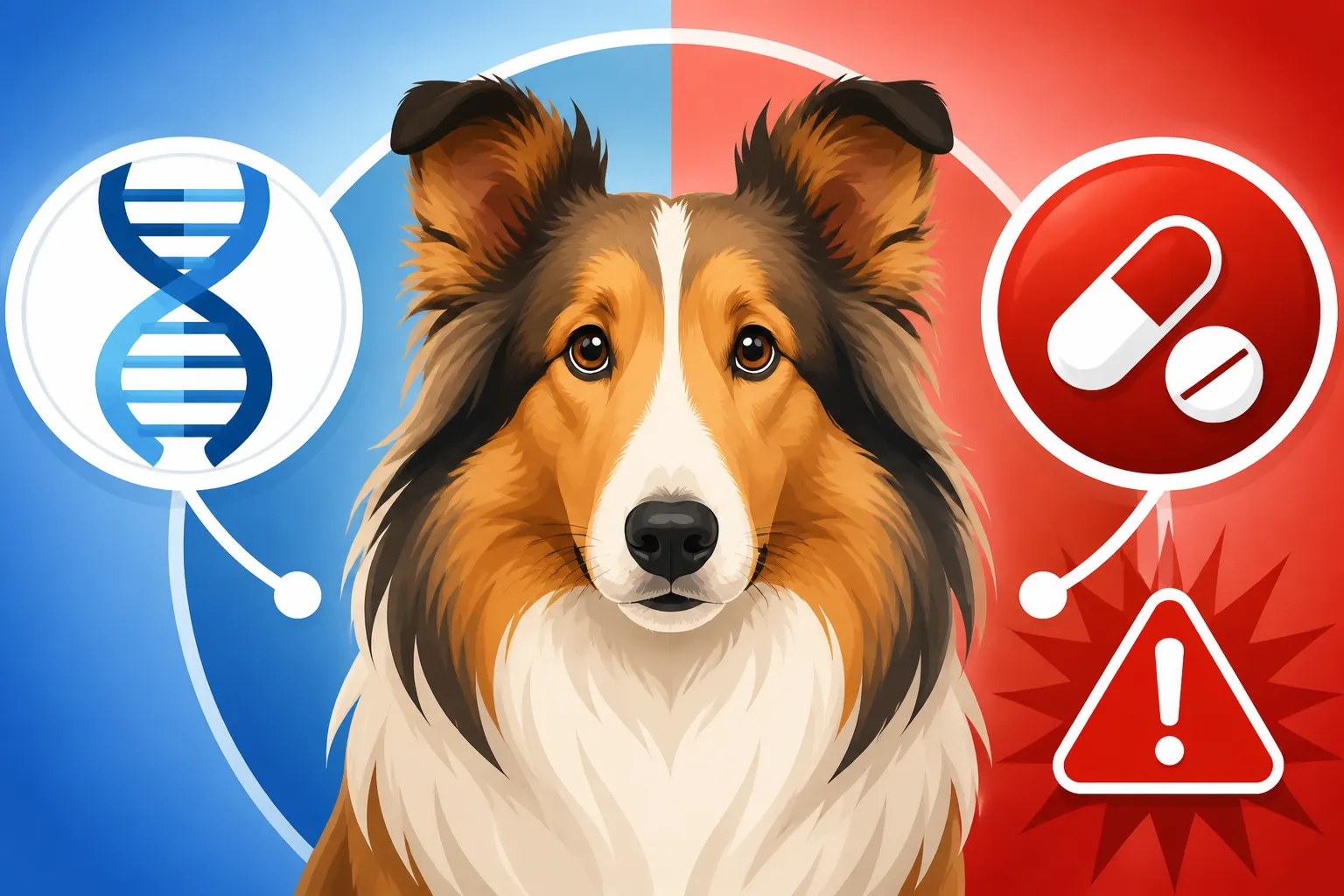
- MDR1 +/- (Heterozygous / Carrier): This is the focus of our discussion. A heterozygous Collie has one normal copy and one mutated copy of the MDR1 gene. They are carriers of the mutation, meaning they can pass it on to their offspring. More importantly, while they have one functional copy, their drug sensitivity is still a very real concern.
- MDR1 -/- (Homozygous Affected): This indicates your Collie has two mutated copies of the MDR1 gene, one from each parent. Their P-glycoprotein pump is severely compromised or entirely non-functional. These dogs are at the highest risk for severe, life-threatening drug reactions, and the drug protocols must be adjusted meticulously for their safety. What the Collie DNA Health Panel Covers typically includes MDR1 testing precisely for these crucial distinctions.
The Nuances of the Heterozygous (MDR1 +/-) Collie
Here's where the real conversation starts. For a long time, there was a misconception that if a dog was only heterozygous (MDR1 +/-), they were simply "carriers" and wouldn't really suffer the same severe reactions as those with two copies. This is a dangerous oversimplification. While it's true that the effects might be less severe than in a homozygous affected (-/-) Collie, a heterozygous Collie absolutely can experience adverse drug reactions.
Think of it like this: having one good lung and one compromised lung. You can still breathe, but your capacity is reduced, and you're more vulnerable to respiratory issues than someone with two healthy lungs. Similarly, a heterozygous Collie has a reduced amount of functional P-glycoprotein. This means their "bouncer" isn't entirely absent, but it's operating at half capacity. Certain drugs can still accumulate in their system to harmful levels, just perhaps not as quickly or as overwhelmingly as in a dog with no functional P-gp. This is why vigilance is crucial, and treating a heterozygous Collie as if they are completely clear is a perilous gamble.
Comparing Effects: One Copy vs. Two Copies
The core difference between having one copy (MDR1 +/-) and two copies (MDR1 -/-) of the mutated gene largely comes down to the degree of drug sensitivity and the severity of potential reactions.
MDR1 -/- (Homozygous Affected):
- Risk Level: Extremely high.
- Drug Accumulation: Significant and rapid.
- Reaction Severity: Often severe, life-threatening neurological symptoms (seizures, coma, death).
- Dosage Adjustments: Mandatory and often involve completely avoiding certain drugs or using drastically reduced, carefully monitored doses of others.
MDR1 +/- (Heterozygous Carrier):
- Risk Level: Moderate to high.
- Drug Accumulation: Present, but potentially slower or to a lesser extent than -/-.
- Reaction Severity: Can range from mild (lethargy, drooling, vomiting) to moderate, or even severe neurological signs, especially with higher doses or prolonged exposure. The reaction might be delayed or manifest subtly at first, making it harder to pinpoint.
- Dosage Adjustments: Critical. While some drugs might be tolerated at extremely low, monitored doses, many still need to be avoided or replaced with safer alternatives. The margin for error is significantly smaller than for a clear Collie.
| Genotype | Functional P-gp Pump | Risk of Drug Reaction | Severity of Reaction (Potential) | Management |
|---|---|---|---|---|
| MDR1 +/+ | Full Function | Very Low | Typical drug side effects | Standard drug protocols |
| MDR1 +/- | Reduced Function | Moderate to High | Variable (mild to severe) | Avoid high-risk drugs; cautious dosing; monitoring |
| MDR1 -/- | Absent/Non-functional | Extremely High | Severe, life-threatening | Strict avoidance or drastically reduced doses |
It's a misconception to believe that a heterozygous Collie is "safe." They are merely less prone to immediate, overwhelming toxicity compared to a homozygous affected dog, but the potential for harm remains very real. Whether One Copy of MDR1 Is Enough to Harm a Collie is definitively yes, and it’s why understanding the specific drugs and their effects is so important.
Real-World Implications of One MDR1 Gene Copy
Beyond the scientific understanding, what does this actually mean for you and your Collie on a day-to-day basis? The implications of a heterozygous MDR1 status touch upon everything from routine vet visits to emergency situations, demanding a proactive and informed approach to your dog's care.
Sensitivity to Specific Medications
The list of drugs known to be affected by the MDR1 mutation is extensive and includes many commonly prescribed veterinary medications. For a heterozygous Collie, while they might have some tolerance due to their single functional gene copy, relying on that partial function can be dangerous. The most problematic drugs are those that are substrates for the P-gp pump – meaning P-gp is supposed to remove them from sensitive tissues. When this removal system is impaired, these drugs accumulate.
Some of the most critical drugs to be aware of for any MDR1-affected Collie, including those with one copy, include:
- Ivermectin: A common ingredient in heartworm preventives and dewormers. While low doses in heartworm preventives are generally considered safe for heterozygous dogs (and often even homozygous affected ones, though always consult your vet), higher doses used for treating mites or other parasites can be extremely dangerous. What Happens When an MDR1 Collie Gets Ivermectin at a higher dose can be devastating, even for a heterozygous dog.
- Loperamide (Imodium): An anti-diarrheal medication. This drug can cause severe neurological depression, ataxia (loss of coordination), and even coma in affected Collies. Whether Loperamide Is Dangerous to a Collie is unequivocally yes, regardless of whether they have one or two copies of the mutation, though the severity may vary.
- Acepromazine: A tranquilizer commonly used for sedation before procedures or for anxiety. Affected dogs can experience profound and prolonged sedation.
- Butorphanol: An opioid pain reliever and sedative. Similar to acepromazine, it can cause exaggerated and prolonged effects.
- Chemotherapy Drugs: Many chemotherapy agents, such as Vincristine, Vinblastine, Doxorubicin, and Paclitaxel, are P-gp substrates. Whether Chemotherapy Drugs Are Riskier for a Collie with MDR1 is a critical question, and the answer is absolutely, requiring significant dose adjustments or alternative treatment plans under strict veterinary supervision.
- Certain Anesthetics: While many anesthetics aren't directly P-gp substrates, some can interact or compound issues. Whether Anesthesia Is Riskier for an MDR1 Collie is a valid concern that requires careful consideration and a tailored anesthetic protocol by your vet.
It's not just about avoiding the absolute worst offenders; it's about being aware that even drugs sometimes considered "safe" can have altered pharmacokinetics in a heterozygous Collie, meaning they stay in the body longer or reach higher concentrations than expected.
Variability in Drug Reactions
One of the most frustrating aspects for owners and vets alike is the unpredictable nature of drug reactions in heterozygous Collies. A dog might tolerate a certain dose of a medication once, only to react severely to the same dose later, or to a slightly different formulation. This variability can be influenced by:
- Individual Genetic Expression: Even within heterozygous dogs, there can be slight differences in how efficiently their single normal MDR1 gene functions.
- Concurrent Medications: Other drugs the Collie is taking can compete for the limited P-gp pumps or interact in other ways, increasing the risk of toxicity.
- Overall Health Status: A sick, dehydrated, or older Collie might be more susceptible to adverse effects even with a single copy of the normal gene.
- Dose and Frequency: Higher doses or more frequent administration of a problematic drug will naturally increase the risk and severity of a reaction.
This variability means that even with one functional copy, owners cannot become complacent. A "wait and see" approach is simply too risky. It's much safer to assume sensitivity and adjust drug protocols accordingly, rather than hoping your individual heterozygous Collie will be one of the lucky ones who experiences no issues.
Impact on Routine Veterinary Care
Knowing your Collie is heterozygous for MDR1 fundamentally changes how you approach routine veterinary care. It's not just about emergencies; it's about every single interaction that involves medication. This includes:
- Annual Check-ups: Every time a new medication is considered, or even if an existing one is being refilled, the MDR1 status must be at the forefront of the vet's mind.
- Vaccinations: While vaccines themselves aren't typically affected, any pre-medications for vaccine reactions or post-vaccine pain relief need careful consideration. Whether a Collie's Vaccine Reaction Is More Likely is a concern that should be discussed with your vet, especially if sedation or anti-inflammatories are usually administered.
- Dental Procedures: These often require sedation and pain management. Anesthetic protocols must be carefully selected, and post-operative pain relief must be chosen from the safe drug list.
- Minor Injuries or Illnesses: Even a simple upset stomach requiring anti-diarrheal medication, or a sprain needing pain relief, can pose a challenge. Your vet needs to be prepared to prescribe alternatives or adjust doses drastically.
The ongoing challenge is to ensure every vet, tech, and even emergency clinic your Collie might visit is fully aware of their heterozygous status and its implications. This takes proactive communication and preparation on your part.
Recognizing and Managing Risks for MDR1 Heterozygous Collies
Living with a heterozygous MDR1 Collie means being prepared. It’s not about fear, but about empowerment through knowledge and proactive management. You have the power to protect your dog by taking specific steps to minimize risks.
Essential Genetic Testing
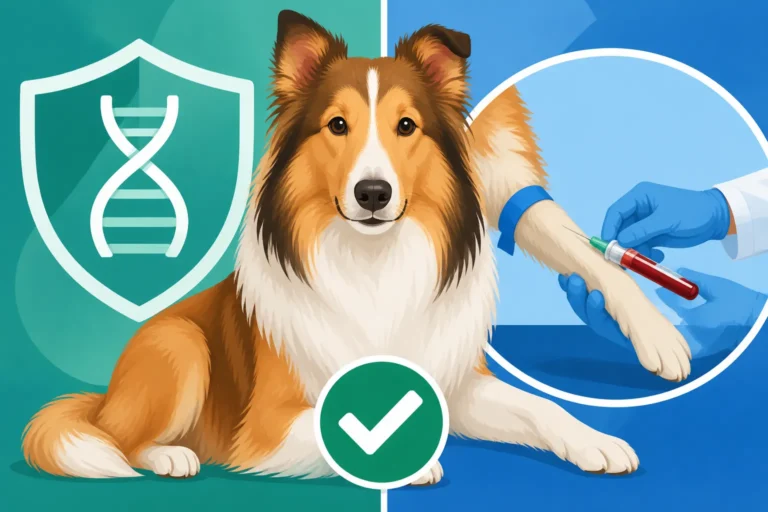
The absolute first step for any Collie owner, whether you're bringing home a puppy or have an adult dog whose history is unknown, is to get them genetically tested for MDR1. This isn't an optional extra; it's a fundamental aspect of responsible Collie ownership. What an MDR1 Test Costs for a Collie is a small investment compared to the potential costs and heartbreak of treating a severe drug reaction.
The testing process is straightforward, usually involving a simple cheek swab that you can often do at home. Labs like Washington State University's Veterinary Clinical Pharmacology Laboratory (VCPL) are renowned for their expertise in MDR1 testing and have provided crucial research in this area. Knowing your Collie's genotype—whether +/+, +/-, or -/-—provides the definitive answer you need to tailor their care. If you've adopted a rescue Collie, Whether a Rescue Collie Should Be MDR1 Tested First is a resounding yes; it's vital information for their future health.
Creating a Safe Medication Protocol
Once you know your Collie's MDR1 status, you and your veterinarian can work together to establish a safe medication protocol. This involves:
- Educating Your Vet: Even with the widespread knowledge of MDR1, not every veterinary professional is equally informed or remembers every specific drug interaction. It's your responsibility to inform them. How a Collie Owner Tells the Vet About MDR1 involves clear, concise communication and often providing them with a printed list of drugs and your dog's test results.
- Maintaining a "Safe Drug" List: Keep a list of drugs that are safe for your heterozygous Collie, and, perhaps more importantly, a list of drugs to avoid or use with extreme caution. This list should be readily accessible and shared with anyone who might administer medication to your dog (e.g., pet sitters, boarding kennels). Which Drugs an MDR1 Collie Must Never Have is a critical resource to keep handy.
- Dose Adjustments: For certain medications that cannot be entirely avoided (though this is rare for MDR1-affected drugs), your vet may need to prescribe significantly reduced doses and monitor your Collie very closely for any signs of adverse effects. This requires a veterinarian who is highly experienced with MDR1 sensitivities.
- Alternative Medications: Thankfully, for most drugs on the "do not use" list, there are often safer alternatives available. For example, instead of loperamide for diarrhea, kaolin-pectin or metronidazole might be considered, though even these need vet approval. For pain relief, Carprofen (Rimadyl) is often considered safer than certain opioids, but again, always discuss with your vet.
Emergency Preparedness for MDR1 Collies
Emergencies don't announce themselves, and having a plan in place for your heterozygous Collie is non-negotiable.
- Medical Alert Tag: Get a medical alert tag for your Collie's collar that clearly states "MDR1 Sensitive." Whether a Collie Should Wear a Medical Tag is a question with a clear answer: yes, absolutely. This is a vital piece of information for any emergency responder or unfamiliar vet.
- Flagging the Vet Chart: Ensure your primary veterinary clinic has prominently flagged your Collie's chart with their MDR1 status. This should be a red flag, impossible to miss. Whether a Collie's Chart Should Be Flagged at the Clinic is a critical step for routine care and emergency situations alike.
- Emergency Contact Information: Have contact information for your regular vet and the nearest 24/7 emergency veterinary hospital readily available. Confirm that the emergency hospital is aware of MDR1 sensitivities in Collies, or be prepared to educate them immediately upon arrival. Whether Emergency Vets Know About MDR1 in Collies can vary, so proactive communication is best.
- Carry Essential Information: When traveling or going to an emergency clinic, carry a folder with your Collie's MDR1 test results, a list of known problematic drugs, and a list of safe alternatives. What a Collie Owner Should Carry to an Emergency Visit is a comprehensive set of documents that can literally save your dog's life.
- Financial Preparedness: Treating a severe drug reaction can be incredibly expensive. Having pet insurance, like a plan from Healthy Paws, or an emergency savings fund, is a responsible choice for any Collie owner. Early intervention and supportive care for a drug reaction can run into thousands of dollars.
Advocating for Your Collie's Health
Being a Collie owner, especially one with an MDR1 heterozygous dog, means becoming a dedicated advocate for their health. You are their voice, their protector, and the ultimate safeguard against preventable harm.
Communicating with Your Veterinarian
The relationship with your veterinarian is foundational to your Collie's well-being. This requires open, clear, and sometimes persistent communication.
- Be Proactive: Don't wait for your vet to ask about MDR1. Bring it up at every visit. State your Collie's status clearly, e.g., "My Collie, Lassie, is MDR1 heterozygous (+/-), so we need to be very careful with medications."
- Provide Documentation: Offer copies of your Collie's genetic test results to your vet and request they be included in their permanent file. Ask them to clearly mark the file for MDR1 sensitivity.
- Ask Specific Questions: When any new medication is prescribed, ask directly, "Is this drug safe for an MDR1 heterozygous Collie? Are there any known interactions or dosage adjustments needed?" Don't be afraid to sound overly cautious; it's your dog's life.
- Discuss Alternatives: If a potentially problematic drug is suggested, ask about safe alternative medications. A good vet will be familiar with these and willing to work with you.
- Trust, But Verify: While you should trust your vet's expertise, it's okay to double-check. A quick search of a drug's interaction with MDR1 or cross-referencing with reliable sources like Washington State University's VCPL website can provide peace of mind.
This open dialogue creates a partnership where you and your vet are on the same team, dedicated to your Collie's safety.
The Importance of Medical Alert Systems
Beyond direct communication, passive medical alert systems are invaluable. They act as a silent warning when you might not be there to speak for your dog.
- Collar Tags and Tattoos: As mentioned earlier, a medical alert tag on their collar is non-negotiable. Some owners even opt for a discreet tattoo. These are the first lines of defense if your Collie ever gets lost or is found unresponsive.
- Medical Wallets/Cards: Keep a card in your wallet detailing your Collie's MDR1 status and your vet's contact information. This is for your benefit, should you be incapacitated.
- Home Alert Systems: If you have professional pet sitters or dog walkers, ensure they are fully educated on your Collie's MDR1 status and have all necessary emergency information. Posting a visible sign in your home (e.g., on the fridge) with "Emergency Info for MDR1 Collie" can be helpful in unforeseen circumstances.
- Pet Insurance Benefits: Companies like Healthy Paws often offer features or resources for managing chronic conditions or specific breed risks. Understanding your policy and how it can support unexpected veterinary needs related to MDR1 reactions can be a huge relief. Having a robust pet insurance plan can help mitigate the financial stress of emergency care, allowing you to focus on your Collie's recovery without the added burden of overwhelming vet bills.
By proactively taking these steps, you create a comprehensive safety net for your heterozygous MDR1 Collie. It demonstrates your commitment and love, ensuring they receive the safest, most informed care possible throughout their long and happy life.
Navigating Breeding Decisions with MDR1 Heterozygous Collies
For those involved in responsible Collie breeding, the MDR1 gene status is a critical consideration. While a heterozygous Collie can lead a perfectly normal life with careful management, their role in perpetuating the mutation must be understood.
Ethical Considerations in Breeding
A Collie that is MDR1 heterozygous (+/-) carries one copy of the mutated gene, meaning they can pass this mutation on to their offspring. Ethically, a breeder has a responsibility to minimize the propagation of genetic diseases.
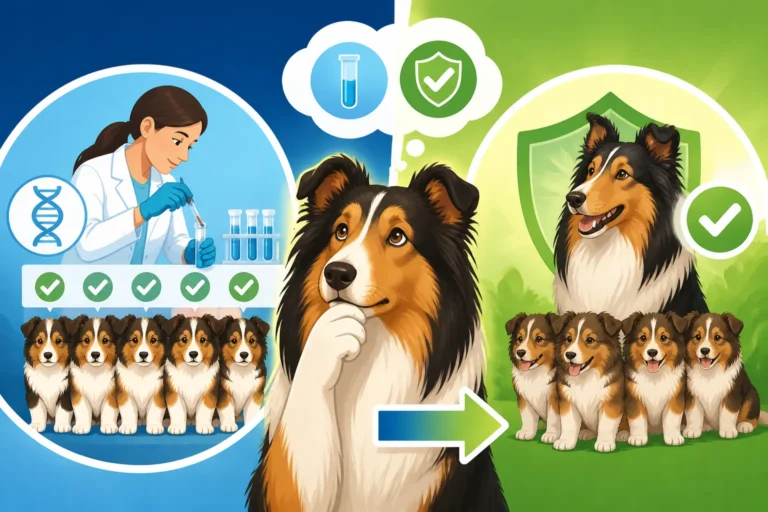
- Testing All Breeding Stock: Before any Collie is considered for breeding, they must be tested for MDR1. This isn't just a suggestion; it's a non-negotiable standard for responsible breeding. The Three Genetic Tests a Collie Breeder Owes You certainly includes the MDR1 test.
- Informing Prospective Buyers: If a breeder chooses to breed a heterozygous Collie (which can be done responsibly with careful planning), they must be completely transparent with potential puppy buyers about the parent's status and the implications for the puppies.
- Minimizing Affected Puppies: The primary goal is to avoid producing homozygous affected (-/-) puppies. This means that a heterozygous (+/-) Collie should never be bred to another heterozygous (+/-) Collie, nor should it be bred to a homozygous affected (-/-) Collie.
Responsible Breeding Pairings
When considering breeding a heterozygous (+/-) Collie, the only responsible pairing is with a Collie that is completely clear (MDR1 +/+).
Let's look at the possible outcomes of such a pairing:
- MDR1 +/+ (Clear) x MDR1 +/- (Heterozygous)
- Approximately 50% of the puppies will be MDR1 +/+ (clear).
- Approximately 50% of the puppies will be MDR1 +/- (heterozygous carriers).
- Crucially, zero puppies will be MDR1 -/- (homozygous affected).
By breeding a heterozygous Collie only to a clear Collie, a responsible breeder can ensure that no puppy in the litter will be born with two copies of the mutated gene, thus avoiding the highest risk category. However, every puppy from such a litter would still need to be tested to determine its individual status and whether it's a carrier. This ensures that future generations are also managed responsibly. This approach allows for maintaining genetic diversity while actively working to reduce the prevalence of the MDR1 mutation in the breed over time. It's a careful balancing act that requires diligence and commitment.
Conclusion
Understanding that one copy of the MDR1 gene is indeed enough to harm a Collie is a critical step in providing optimal care for your beloved companion. While a heterozygous Collie might exhibit less severe reactions than a homozygous one, the risk of life-threatening adverse drug effects remains very real. Armed with genetic testing results, a clear communication plan with your veterinarian, and a proactive approach to medication management, you can confidently navigate the challenges this mutation presents. Your dedication ensures that your Collie can live a full, happy, and safe life, free from preventable drug-induced harm.
Disclaimer
This article is intended for informational purposes only and does not constitute veterinary medical advice. Always consult with a qualified veterinarian regarding any health concerns or before making any decisions about your Collie's care and treatment, especially concerning medications and genetic conditions like MDR1.