Whether Emergency Vets Know About MDR1 in Collies
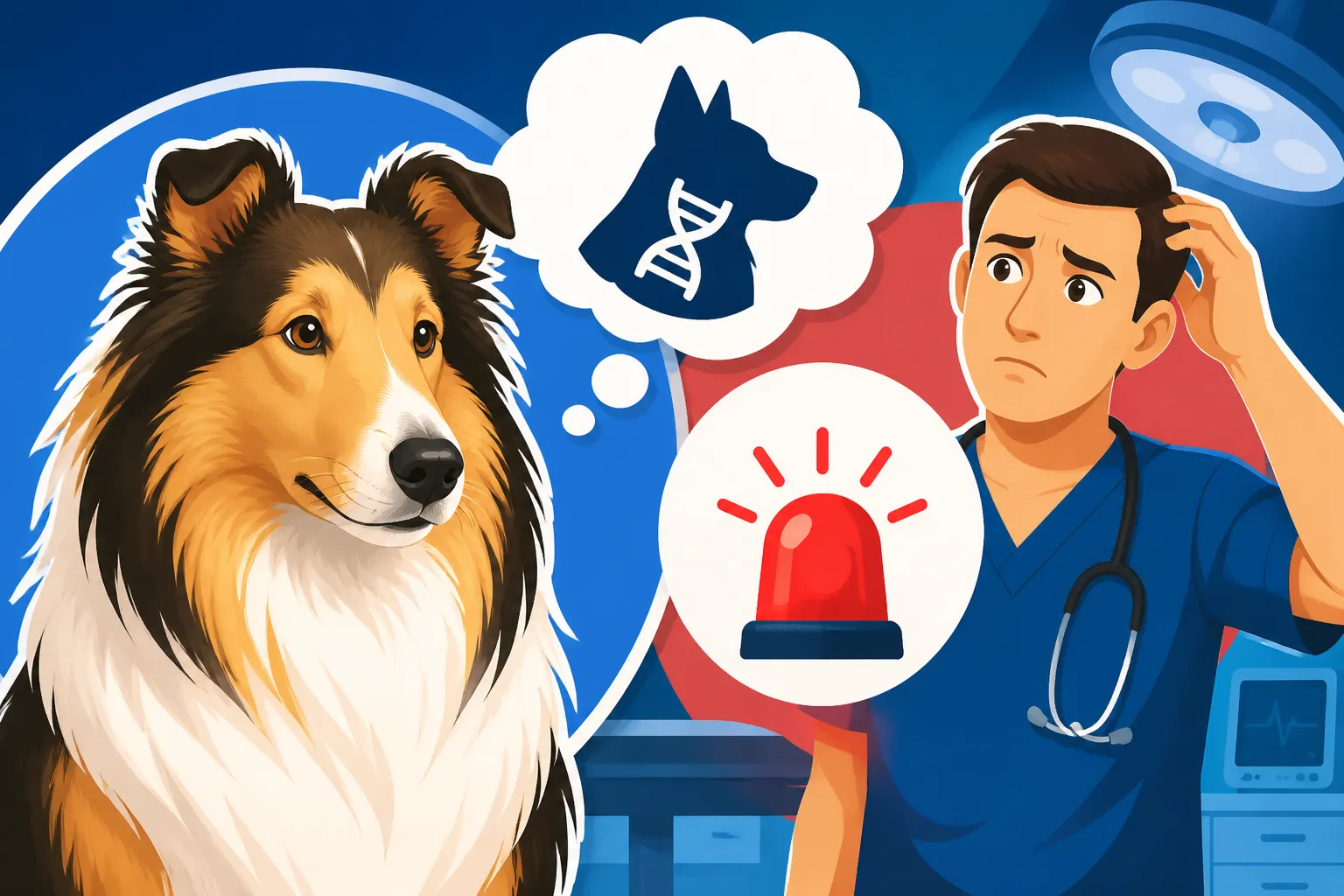
There's a specific knot of anxiety many Collie owners carry, especially when thinking about an emergency vet visit: the fear that the medical staff won't know about the critical MDR1 gene mutation. When your beloved Collie is in distress, the last thing you want to do is explain a genetic predisposition that could literally mean the difference between life and death. This guide will walk you through the reality of emergency veterinary knowledge regarding MDR1 in Collies and, more importantly, empower you with the strategies you need to advocate effectively for your dog during a crisis.
Understanding the MDR1 Mutation in Collies
Before we dive into how emergency vets typically handle MDR1, it's crucial to have a solid understanding of what this mutation is and why it's so profoundly significant for Collies. This isn't just a quirky breed fact; it's a fundamental aspect of their health that can turn common medications into deadly toxins.
What is the MDR1 Mutation and Why it Matters?
The Multidrug Resistance 1 (MDR1) gene, now often referred to as ABCB1, is responsible for producing a protein called P-glycoprotein. Think of P-glycoprotein as a vital bouncer at the "blood-brain barrier" club, meticulously controlling which substances enter the brain and which are kicked out. For Collies, and several other herding breeds, a specific mutation in this gene means that this bouncer isn't doing its job correctly.
Instead of actively pumping certain drugs and toxins out of the brain, a Collie with the MDR1 mutation has a faulty P-glycoprotein, or sometimes none at all, allowing these substances to accumulate to toxic levels. This isn't just a mild sensitivity; it can lead to severe neurological symptoms, including seizures, coma, and even death. It’s a silent, invisible threat that makes drug protocols completely different for these dogs. Knowing if your dog carries this mutation is the first, most crucial step in their long-term care, and something every Collie owner should actively pursue. You can learn more about this by reading What Share of Collies Carry MDR1.
Common Drugs Affected by MDR1
The list of drugs that can cause a reaction in an MDR1-affected Collie is extensive and includes many medications commonly used in veterinary practice. It’s not just obscure, specialized drugs; some are routine, everyday treatments. The most infamous culprit, Ivermectin, used in some dewormers, is perhaps the best-known. However, there are many others that can cause serious issues.
For instance, Loperamide, an over-the-counter anti-diarrheal medication, can cause severe neurological depression. Acepromazine, a commonly used sedative and pre-anesthetic, can lead to profound and prolonged sedation. Even some chemotherapy drugs, like Vincristine and Doxorubicin, require significant dosage adjustments or alternative treatments. This is why having an accurate list and informing every vet, every time, is non-negotiable. Knowing Which Drugs an MDR1 Collie Must Never Have is paramount for their safety.
The Reality of Emergency Vet Awareness
It’s easy to assume that all vets, especially those working in emergency settings, would be intimately familiar with every breed-specific genetic condition. However, the reality is a bit more nuanced and understanding this can help you prepare better.
Varying Levels of Knowledge Across Practices
Veterinary medicine is vast, encompassing hundreds of breeds, thousands of conditions, and countless medications. While the MDR1 mutation is a well-documented and critical issue for Collies, the level of awareness can unfortunately vary significantly across different veterinary practices and individual practitioners.
In large, specialized emergency veterinary hospitals, particularly those affiliated with universities or major cities, you're more likely to encounter staff who are not only aware of MDR1 but have protocols in place for affected breeds. These facilities often deal with a higher volume of diverse cases and have access to extensive internal databases and continuous education. However, in smaller, rural clinics or general practice emergency rotations, the immediate recognition might not be as sharp. A busy emergency vet might see five different breeds in an hour, each with their own unique quirks. While they are highly trained professionals, expecting them to recall every genetic predisposition for every single breed on the spot, especially under pressure, is unrealistic. The onus, therefore, often falls to us, the pet parents, to be informed advocates.
The Importance of Proactive Communication
Because of this variability, proactive communication on your part isn't just helpful; it's absolutely vital. You cannot afford to assume that the emergency vet, who has never met your dog before and is likely dealing with multiple critical cases, will automatically know your Collie's specific genetic vulnerability. It’s a common frustration for Collie owners that this isn't universally known, but accepting this reality allows you to take powerful preventative measures.
Think of it this way: you are the primary expert on your dog. You know their history, their quirks, and their unique medical needs. During an emergency, you become their voice. This means clearly stating, as soon as you arrive, "My Collie has the MDR1 mutation," and providing verifiable documentation. This isn't about challenging their expertise; it's about providing crucial, life-saving information in a high-stress situation. This proactive approach ensures that, even if an individual vet isn't immediately familiar, the information is front and center, prompting them to consult their resources or colleagues. It's about being a partner in your dog's care, especially when they need it most.
Equipping Yourself for an Emergency
Preparation is your strongest ally when it comes to managing an MDR1-affected Collie, especially for unforeseen emergencies. A few simple steps can dramatically improve the outcome if you ever find yourself rushing to an unfamiliar veterinary clinic.
What Information to Prepare and Carry
Creating an easily accessible "MDR1 Emergency Kit" is one of the smartest things you can do. This isn't just for you; it's for anyone who might ever need to take your Collie to the vet.
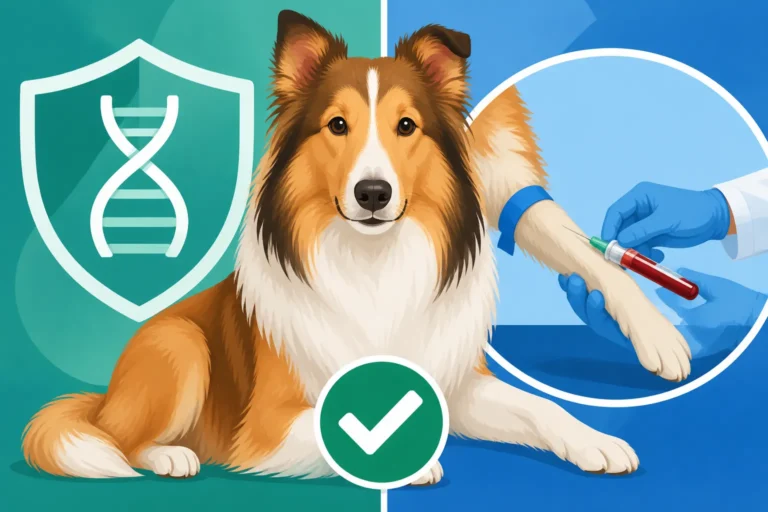
- Official DNA Test Results: The absolute cornerstone. Obtain a copy of your Collie's MDR1 DNA test results from the lab (e.g., Optimal Selection or Paw Print Genetics). Keep a printed copy laminated in a "Go Bag" and a digital copy saved on your phone, easily accessible without Wi-Fi. Many labs offer a wallet-sized card, which is also excellent to have. Knowing Which Lab Runs the Collie MDR1 Test can help you get this documentation.
- A Concise Drug List: Don't just list the name; categorize them. Create a simple, clear list of "ABSOLUTELY AVOID" drugs and "USE WITH CAUTION/REDUCED DOSE" drugs. Include common names and generic names if possible. Print this list clearly and keep it with the test results.
- Your Regular Vet's Contact Information: Have their phone number readily available so the emergency vet can quickly consult with them if needed.
- Emergency Contact Information: Include your phone, a spouse's, or a trusted friend's number.
- Brief Medical History: Any other significant medical conditions or allergies your Collie has.
This physical packet should be kept in an obvious place, like taped to your dog's crate, next to their leash, or in your glove compartment. Having it readily available removes the stress of trying to remember critical details or dig through papers when every second counts.
How to Effectively Communicate with Emergency Staff
When you walk into an emergency clinic, the scene can be chaotic, and emotions are often running high. Your ability to convey critical information calmly and clearly is paramount.
- Lead with MDR1: As soon as you are speaking with reception or veterinary staff, state, "My Collie has the MDR1 mutation, and I have their test results." Don't wait to be asked about medical history.
- Provide Documentation: Hand over your laminated MDR1 test results and the concise drug list. Ask them to scan it into your dog's file immediately.
- Request a Chart Flag: Politely ask if they can "flag" your dog's electronic or physical chart with an alert about the MDR1 mutation. This ensures that any new staff member who accesses the file will see it. This is a crucial step that can help avoid errors. For more on this, check out Whether a Collie's Chart Should Be Flagged at the Clinic.
- Confirm Understanding: When a vet or tech is discussing treatment options, specifically ask, "Are these medications safe for an MDR1 Collie?" or "Will these be administered at an MDR1-appropriate dose?" This prompts them to double-check their plan against your dog's specific needs.
- Stay Present (If Possible): If your dog is not in immediate life-threatening danger, try to stay with them during initial assessments if permitted. This allows you to reinforce the MDR1 information.
Remember, you are your dog's best advocate. A calm, informed approach, backed by documentation, is the most effective way to ensure your Collie receives appropriate care.
Considering a Medical Alert Tag or Collar
In the unpredictable world of emergencies, where every second matters and communication might be challenging, a visible medical alert is an invaluable tool. Think of it as a silent, always-on announcement of your Collie's critical genetic condition.
A specialized medical alert tag, prominently attached to your Collie's collar or harness, can immediately inform anyone who finds your dog or any veterinary professional who is treating them. These tags typically feature a universally recognized medical symbol (like the caduceus or a medical cross) and clearly state "MDR1 POSITIVE" or "MDR1 ALERT – DRUG SENSITIVITY" along with a contact number. Some companies even offer tags with QR codes that link directly to a digital medical file. Even better, a collar embroidered with "MDR1" is incredibly hard to miss. While these don't replace verbal communication and documentation, they act as an immediate visual cue, especially if you're unconscious, separated from your dog, or in a chaotic situation where you can't speak for them. Many conscientious owners also carry Whether a Collie Should Wear a Medical Tag for their furry friends.
What to Do in a Suspected Drug Reaction
Despite all best efforts, mistakes can happen, or your Collie might be exposed to an unknown substance. Knowing how to react in a suspected drug reaction situation is just as vital as preventative measures.
Recognizing the Signs of an MDR1 Drug Reaction
The symptoms of an MDR1 drug reaction can vary depending on the specific drug involved and the severity of the mutation (homozygous vs. heterozygous). However, they generally involve neurological impairment because the drugs are accumulating in the brain.
Common signs to watch for include:
- Lethargy and Weakness: Your dog seems unusually tired, disoriented, or struggles with coordination.
- Ataxia (Loss of Coordination): Stumbling, swaying, difficulty walking in a straight line, or falling over.
- Dilated Pupils: Pupils may appear larger than normal or react sluggishly to light.
- Hypersalivation: Excessive drooling.
- Vomiting or Diarrhea: While less specific, these can sometimes accompany neurological signs.
- Tremors or Seizures: In severe cases, uncontrolled muscle twitching or full-blown seizures.
- Blindness: Temporary or permanent vision loss.
- Coma: Unresponsiveness to stimuli.
These signs can appear within hours or even days after exposure, depending on the drug and dose. If you observe any of these symptoms after your Collie has received medication or ingested something suspicious, consider it a medical emergency. Time is of the essence in these situations. It's helpful to know Signs an MDR1 Collie Is Having a Drug Reaction so you can act quickly.
First Steps and Immediate Actions
If you suspect your Collie is having an MDR1 drug reaction, do not delay. This is a critical situation that requires immediate veterinary intervention.
- Contact Your Vet Immediately: Call your regular veterinarian or the nearest emergency veterinary clinic while you are on your way. Explain that your Collie has the MDR1 mutation and you suspect a drug reaction, detailing the symptoms you're seeing and any known exposure. This allows them to prepare for your arrival and potentially consult their resources on MDR1.
- Gather Information: If you know what drug your Collie received or ingested, bring the packaging, prescription bottle, or any relevant information with you. This is crucial for guiding treatment.
- Do NOT Induce Vomiting Unless Directed: Unless specifically instructed by a veterinarian, do not try to induce vomiting. Some substances can cause more harm coming back up, or your dog may be too compromised to safely vomit.
- Transport Safely: Keep your Collie comfortable and safe during transport. If they are having seizures, ensure they cannot injure themselves.
- Provide Your MDR1 Documentation: Upon arrival, once again clearly state the MDR1 status and provide all your prepared documentation to the veterinary staff.
Treatment for an MDR1 drug reaction often involves supportive care, such as intravenous fluids to help flush the drugs from the system, activated charcoal to absorb remaining toxins in the digestive tract, and medications to control seizures or other neurological symptoms. Early and aggressive intervention significantly improves the prognosis for recovery. Having pet insurance from providers like Healthy Paws can also offer peace of mind, knowing that the often-high costs of emergency and specialty care for such reactions might be covered. You want to give your Collie the best chance, and that means being prepared for these critical moments.
Here's a quick reference guide to some key drugs and their implications for MDR1 Collies:
| Drug Category | Specific Drugs (Examples) | Impact on MDR1 Collies | Safe Alternatives / Considerations |
|---|---|---|---|
| Anti-Parasitics | Ivermectin (high doses), Selamectin, Moxidectin | Can cause severe neurotoxicity (tremors, ataxia, blindness, coma, death) due to accumulation in the brain. | Many heartworm preventives (e.g., Heartgard at standard doses) are generally safe, but always confirm dosage. Advocate for non-MDR1 problematic flea/tick preventives. For deworming, alternative medications or specific testing are key. |
| Sedatives/Anesthetics | Acepromazine, Butorphanol (with caution), Doxepin | Acepromazine can lead to profound, prolonged sedation and respiratory depression. Other sedatives may require dose adjustments. | Many other sedatives and anesthetics are safe at appropriate doses. Always inform your vet about MDR1 status before any procedure requiring sedation or anesthesia, as Whether Anesthesia Is Riskier for an MDR1 Collie is a common concern. |
| Anti-Diarrheals | Loperamide (Imodium) | Can cause severe neurological signs (ataxia, tremors, sedation, respiratory depression) as it crosses the blood-brain barrier. | Bismuth subsalicylate (Pepto-Bismol) and metronidazole are generally considered safer alternatives under veterinary guidance. |
| Chemotherapy Agents | Vincristine, Vinblastine, Doxorubicin, Paclitaxel | Significant dose reductions (often 50-75%) are necessary, and even then, increased toxicity is a risk. | Alternative chemotherapy protocols or careful monitoring with reduced doses. Requires close consultation with a veterinary oncologist who understands MDR1. Whether Chemotherapy Drugs Are Riskier for a Collie is a definite yes. |
| Opioids | Morphine, Buprenorphine | May require dose adjustments or cause increased sensitivity. | Always use with caution and under strict veterinary supervision. |
| Anti-Emetics | Ondansetron (with caution) | While generally safer, some sources suggest caution, as it can be transported by P-glycoprotein. | Discuss alternatives or careful dosing with your vet. |
This table is not exhaustive but highlights common drugs of concern. Always consult with your veterinarian regarding specific medications for your MDR1-affected Collie.
Disclaimer
The information provided in this article is for educational and informational purposes only and does not constitute medical advice. Always consult with a qualified veterinarian for any health concerns or before making any decisions related to your Collie's care.