Whether a Collie’s Meals Should Be Split
One of the most common worries that keeps Collie owners up at night, especially after a particularly enthusiastic meal, is the dreaded thought of bloat. That unsettling feeling of "did they eat too fast?" or "was that meal too big?" is very real. Our beautiful, deep-chested Collies, while majestic, carry a specific risk that many other breeds don't face quite as acutely. This guide is here to unravel why splitting your Collie's meals isn't just a good idea, but a vital part of keeping them healthy and happy, and how to put this practice into action effectively.
Understanding the Unique Risk of Bloat in Collies
Bloat, scientifically known as Gastric Dilatation-Volvulus (GDV), is a terrifying, life-threatening condition where a dog's stomach fills with gas, food, or fluid, then twists on itself, cutting off blood supply. For Collie owners, this isn't just a hypothetical concern; it's a very real and present danger due to their specific anatomy.
Why Collies Are Prone to Bloat
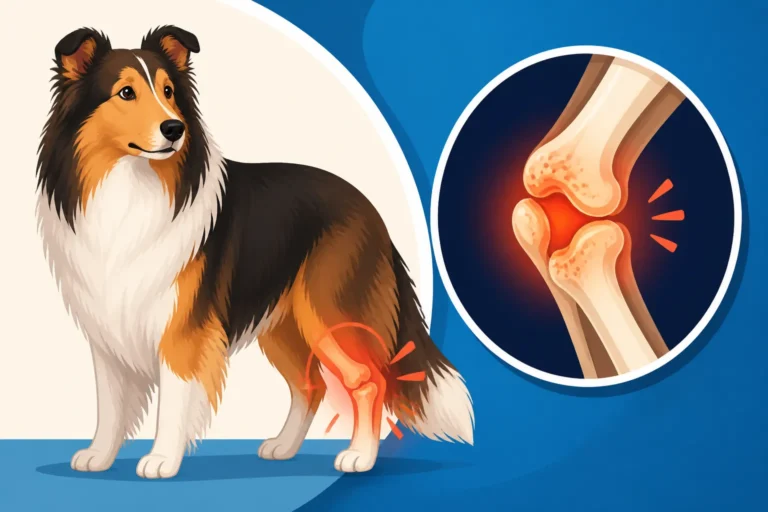
Collies possess that characteristic deep-chested, narrow body shape that, while elegant, unfortunately creates a predisposed environment for bloat. Imagine a long balloon with a loose knot at both ends, hanging suspended in a relatively open cavity. If that balloon suddenly inflates rapidly, it has ample room to swing and twist. That's essentially what happens with a Collie's stomach.
This anatomical quirk means the stomach has more space to distend and rotate compared to dogs with broader, shallower chests. When the stomach bloats and then twists, it traps gas and prevents anything from passing in or out. This rapidly becomes an emergency, obstructing blood flow and sending the dog into shock. The clock starts ticking immediately, and intervention needs to be swift. It’s a truly frightening reality for us, knowing that a simple meal could escalate into a critical situation. We’ve even explored discussions around options like Whether a Collie Should Have a Preventive Gastropexy to surgically secure the stomach, precisely because the risk is so high. If you're looking for more detailed information, we have a whole section dedicated to Why a Collie's Chest Shape Raises Bloat Risk.
The Dangers of Eating Too Much Too Fast
Beyond their inherent anatomy, the way a dog eats plays a huge role in bloat risk. If your Collie is a gulper, hoovering down their entire meal in mere seconds, they're not just being enthusiastic; they're potentially putting themselves in danger. Eating rapidly means they're swallowing a significant amount of air along with their food. This air, combined with the food and digestive liquids, can quickly cause the stomach to distend.
A large, single meal also means a greater volume of material sitting in the stomach at one time, further increasing the chance of distension. When the stomach is heavy and distended, any vigorous activity immediately after eating – like running, jumping, or even just rolling around – can increase the likelihood of that swollen stomach twisting. It’s a delicate balance, and we, as owners, need to be hyper-vigilant about managing these factors.
The Benefits of Splitting Your Collie's Meals
Dividing your Collie's daily food allowance into two or three smaller portions isn't just a recommendation; it's a proactive measure that significantly contributes to their well-being, especially concerning the serious threat of bloat. It’s a simple change that can have profound positive impacts.
Reducing Bloat Risk
The most immediate and critical benefit of splitting meals is the reduction of bloat risk. By offering smaller amounts of food at a time, you naturally limit the volume of food and air that enters your Collie's stomach in a single sitting. This lessens the chances of excessive gastric distension, which is the precursor to the stomach twisting.
When a Collie eats a smaller portion, there's less total material to ferment and produce gas, and less opportunity for large gulps of air to get trapped. It's about easing the load on their digestive system. Think of it like a car carrying groceries – a few bags are easy to manage, but an overflowing trunk might destabilize the vehicle on a bumpy road. With smaller meals, even if your Collie eats quickly, the sheer volume is much less problematic. This strategy also aligns with the advice that Whether a Collie Should Rest After Eating is a good idea, as smaller meals allow for quicker digestion and less post-meal restriction.
Improving Digestion and Nutrient Absorption
Beyond bloat prevention, smaller, more frequent meals can actually improve your Collie's overall digestion and nutrient absorption. Just like with humans, a dog's digestive system can work more efficiently when it's not overwhelmed by a massive influx of food.
When the stomach receives a manageable portion, it can process it more thoroughly. This means digestive enzymes have ample time and surface area to break down food, allowing for better extraction of vitamins, minerals, and other essential nutrients. Dogs who eat large, infrequent meals might experience more digestive upset, such as gas, indigestion, or even vomiting if their system struggles to cope. Splitting meals can lead to a more comfortable dog, with more stable energy levels, and even a healthier coat thanks to improved nutrient uptake.
Managing Hunger and Energy Levels
Have you ever noticed your Collie getting a little "hangry" or overly excited when it's nearing dinner time, only to crash a few hours after eating? This can often be a sign of fluctuating blood sugar and energy levels due-to large, infrequent meals. Splitting their food can help stabilize these highs and lows.
By feeding smaller meals throughout the day, you help maintain more consistent blood sugar levels, preventing that intense hunger that can lead to rapid eating and subsequent energy dips. This can translate into a calmer, more even-tempered dog throughout the day, less likely to beg excessively or become lethargic. It's about feeding their body and brain consistently, not just once or twice in a rush. This approach supports a balanced metabolism and can even assist in preventing unwanted weight gain by promoting consistent satiety without overfeeding.
Practical Tips for Splitting Collie Meals
Making the switch to split meals doesn't have to be complicated, but it does require a bit of thought and consistency. Here’s how you can make it work seamlessly for your beloved Collie.
How Many Meals Per Day?
For adult Collies, two meals a day is generally the recommended baseline, morning and evening. This simple split immediately cuts down the volume of food in any single meal, significantly reducing bloat risk. If you’re currently feeding once a day, moving to twice is your first, most impactful step.
However, for some Collies, especially those who are highly active, seniors, or puppies, three smaller meals might be even more beneficial. Young puppies, for instance, have smaller stomachs and higher metabolic rates, so they often need three to four meals a day to sustain their growth and energy. As they mature, you can gradually transition to two. For an adult Collie, assess their activity level and how they respond to two meals. If they still seem excessively hungry between meals or have any digestive sensitivities, adding a third, even smaller meal in the midday could be a great solution. Remember that understanding How Much an Adult Collie Eats is key to dividing the total daily portion correctly, not increasing it. For those with puppies, checking What a Collie Puppy Should Weigh by Month can help you gauge if their nutritional needs are being met across their multiple meals.
Choosing the Right Feeding Schedule
Consistency is king when it comes to a feeding schedule. Dogs thrive on routine, and your Collie will quickly learn to anticipate their meal times. Aim for roughly 10-12 hours between meals for a two-meal-a-day schedule (e.g., 7 AM and 7 PM). If you opt for three meals, you might aim for something like 7 AM, 1 PM, and 7 PM.
The exact times aren't as critical as their regularity. Choose times that fit realistically into your daily routine, because sticking to them is what matters most. For example, if you work a typical 9-to-5 job, a morning meal before you leave and an evening meal when you get home works perfectly. For those who are home throughout the day, a midday snack or meal can be easily integrated. Just make sure there's enough time between meals for proper digestion, typically at least 4-6 hours. Avoid feeding right before or after strenuous exercise, as this can increase bloat risk.
Slowing Down Rapid Eaters
Even with split meals, some Collies are simply speed demons when it comes to eating. This rapid consumption still carries the risk of ingesting too much air. Thankfully, there are several effective tools and techniques to help slow them down.
- Slow Feeder Bowls: These bowls have ridges, mazes, or obstacles built into them, forcing your Collie to navigate around them to get to their food. Brands like Outward Hound offer excellent options. This simple change can turn a 30-second meal into a 5-minute meal.
- Puzzle Feeders: Beyond just slowing down eating, puzzle feeders engage your Collie mentally. These can range from treat-dispensing toys to more elaborate puzzles where your dog has to manipulate parts to get their kibble. This adds mental enrichment alongside slowing down mealtime.
- Spreading Food Out: A low-tech, but effective method, especially for dry kibble, is to simply spread your Collie's meal across a large, flat baking sheet or even scatter it on a clean patch of grass in the yard. This forces them to forage and eat one piece at a time.
- Using a Muffin Tin: Place a small portion of food in each cup of a muffin tin. Your Collie will have to move from cup to cup, which naturally slows them down.
Monitoring Your Collie's Weight and Condition
Splitting meals helps with bloat prevention and digestion, but you still need to ensure your Collie is getting the right amount of food for their ideal body condition. Their beautiful, thick coat can sometimes make it tricky to tell if they are at a healthy weight, so regular monitoring is crucial. Remember, the average adult male Collie can weigh around What an Adult Male Collie Weighs and a female around What an Adult Female Collie Weighs, but these are just averages.
You should be able to feel your Collie’s ribs easily, but not see them. There should be a noticeable waist tuck when viewed from above and a slight upward slope from the chest to the abdomen when viewed from the side. If you’re struggling to feel their ribs or notice an absence of a waist, it might be time to slightly reduce portion sizes, even with split meals. Conversely, if ribs are prominent and they appear too thin, you might need a bit more. Regularly feeling your Collie over can help you keep track. If you notice Signs a Collie Is Overweight Under All That Coat, even small adjustments to their daily intake can make a big difference over time. Don't forget that Getting Weight Off a Collie is a gradual process requiring patience and consistency.
Here's a quick overview of meal splitting strategies:
| Strategy | Description | Benefits | Best For |
|---|---|---|---|
| Two Meals Daily | Dividing total daily food into two equal portions, morning and evening. | Significant bloat risk reduction, easier digestion. | Most adult Collies, owners with predictable schedules. |
| Three Meals Daily | Dividing total daily food into three smaller portions (e.g., morning, midday, evening). | Enhanced bloat protection, stable energy, improved nutrient absorption. | Puppies, very active Collies, seniors, dogs with sensitive digestion. |
| Slow Feeder Bowls | Bowls with mazes or obstacles to prevent rapid eating. | Reduces air ingestion, extends mealtime. | Collies who eat too quickly, regardless of meal frequency. |
| Puzzle Feeders | Toys or devices requiring manipulation to dispense food. | Mental stimulation, slows eating, reduces boredom. | Highly intelligent Collies, those needing extra enrichment, fast eaters. |
| Scattering Food | Spreading kibble on a flat surface or outdoors. | Forces foraging, slows eating considerably. | Budget-friendly option, good for engaging natural behaviors. |
Common Concerns and Troubleshooting
While splitting meals is straightforward, you might encounter a few hiccups, especially if your household has multiple dogs or if your Collie is set in their ways. Addressing these common concerns can ensure a smooth transition and long-term success.
Dealing with Multiple Dogs
If you have more than one dog, mealtime can sometimes turn into a competitive sport. One dog might try to scarf down their own food and then eye their buddy's bowl, increasing their eating speed and, for your Collie, bloat risk. This is particularly true if you have another breed, like a Border Collie, that eats extremely quickly. While Whether a Collie Gets Bloat More Than a Border Collie is a common question, it’s best to be cautious with all breeds, especially Collies.
The simplest solution is to feed your dogs separately. This doesn't mean isolating them in different rooms forever, but simply managing their meal environment. You could:
- Use crates: Feed each dog in their own crate, where they can eat undisturbed.
- Separate rooms: Assign different rooms or areas of the house for mealtime.
- Physical barriers: Use baby gates or exercise pens to create temporary, safe feeding zones.
- Supervision: Always supervise meal times, especially during the transition, to ensure everyone eats their own food at their own pace.
This separation reduces stress and anxiety around food, allowing your Collie to eat at a comfortable pace without feeling rushed or threatened by another dog.
Adjusting to a New Schedule
Dogs are creatures of habit, and suddenly changing their feeding routine can lead to some confusion, or even mild protest, initially. Your Collie might look at you with those soulful eyes, wondering why their big morning meal is suddenly smaller, or why they’re getting food at a new time. Patience is key during this adjustment period.
Start gradually if your Collie is particularly sensitive. If you’re moving from one meal to two, for example, begin by offering 60% of their food in the morning and 40% in the evening for a few days, then slowly equalize the portions. They will adapt. Stick to the new schedule consistently, and within a week or two, your Collie will likely understand and appreciate the new routine, possibly even becoming more settled between meals. Avoid giving in to begging or adjusting times erratically, as this teaches them that persistence pays off.
When to Seek Veterinary Advice
While split meals are a fantastic preventative measure, they don't eliminate all health risks. It's crucial to know when a digestive issue or a change in your Collie's eating habits warrants a trip to the vet. If you’ve started splitting meals and your Collie still exhibits persistent digestive upset, such as frequent vomiting, diarrhea, or excessive gas, it’s time for a professional check-up.
Similarly, if you notice sudden and unexplained weight loss or gain, despite maintaining consistent food portions, this could be indicative of an underlying health issue like thyroid problems or a metabolic disorder. For older Collies, particularly, issues like Whether an Old Collie Needs Softer Food might come up, indicating a need for dietary changes beyond just meal frequency.
And, of course, any signs of bloat (distended abdomen, unproductive retching, pacing, lethargy, pain in the belly – always be aware of Signs a Collie Is Bloating) demand immediate emergency veterinary attention. Don't wait to see if it improves; bloat progresses rapidly. Having pet insurance, like a plan from Healthy Paws, can be incredibly reassuring in these unexpected emergencies, ensuring you can focus on your Collie's health without added financial stress during critical moments. Early detection and intervention are vital for a good outcome.
Disclaimer
The information provided in this article is for general informational purposes only and is not intended as a substitute for professional veterinary advice. Always consult with a qualified veterinarian for any health concerns or before making any changes to your Collie's diet or healthcare routine.