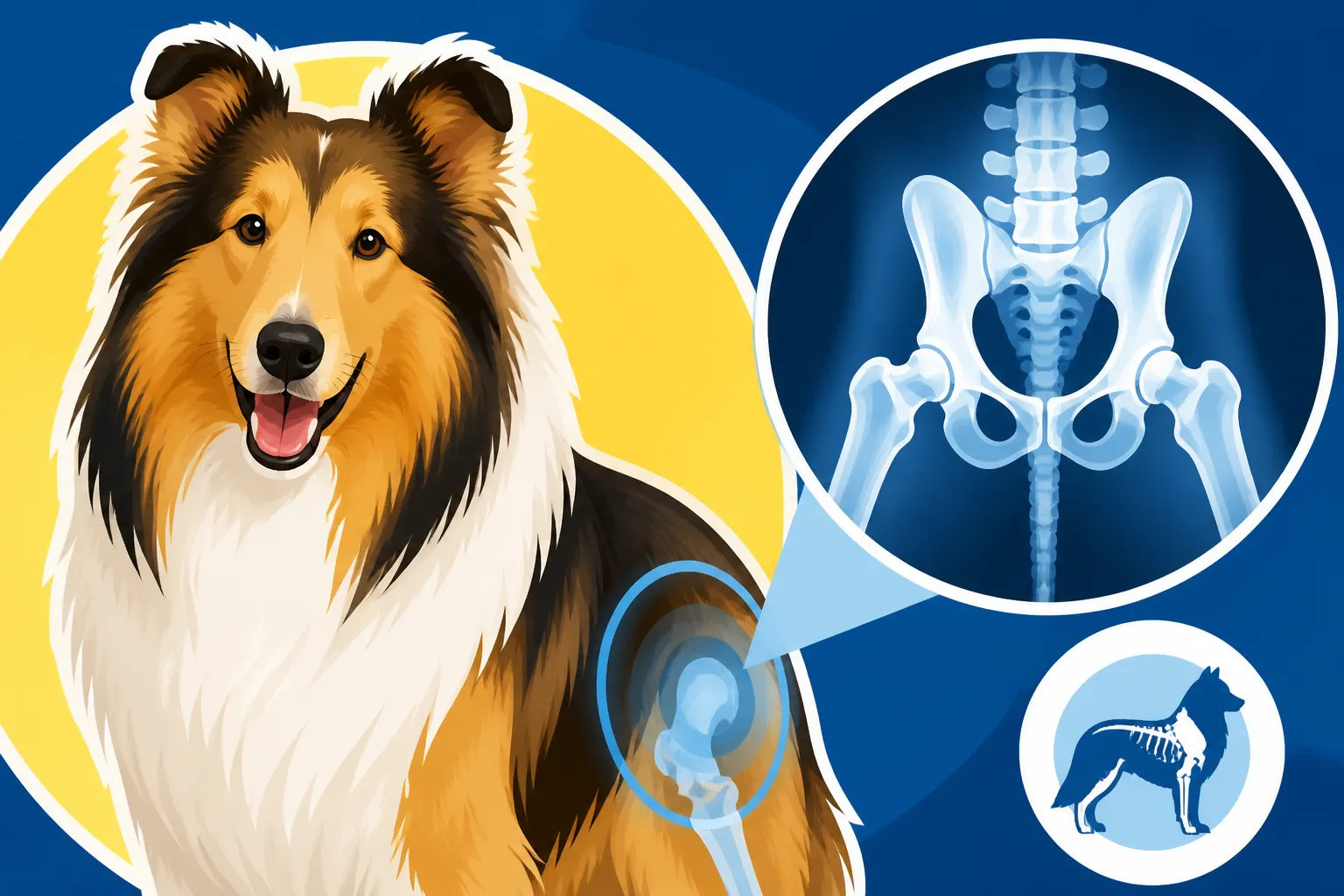
The Age a Collie’s Hips Should Be X Rayed
As Collie owners, we pour our hearts into these intelligent, sensitive dogs, and nothing causes more anxiety than seeing them in discomfort or worrying about potential health issues down the line. One of those big worries, especially for a larger, active breed like our Collies, is hip dysplasia. It's a condition that can cast a long shadow, and the question of when to officially screen your beloved companion often comes up, leading to a lot of uncertainty about the best timing for those crucial X-rays. This guide aims to clear up that confusion, offering a comprehensive look at when your Collie's hips should ideally be X-rayed for a clear diagnosis and what you need to know about the process.
Understanding Hip Dysplasia in Collies
Hip dysplasia is a term that strikes fear into the hearts of many dog owners, and rightly so. It's a genetic condition where the ball and socket of the hip joint don't fit together properly, leading to laxity, grinding, and eventually, painful osteoarthritis. For our beautiful Collies, with their elegant gait and active dispositions, healthy hips are absolutely essential for a comfortable and joyful life.
What is Hip Dysplasia and Why It Matters for Collies
Imagine the perfect fit: the top of your thigh bone (the femoral head, or "ball") sitting snugly in the pelvic socket (the acetabulum). In a dog with hip dysplasia, this isn't the case. The fit is loose, or the socket might be too shallow, or the head of the femur might be malformed. This improper fit causes the joint to rub and grind instead of gliding smoothly, leading to the breakdown of cartilage and bone. Over time, this results in inflammation, pain, and the development of degenerative joint disease (osteoarthritis).
Collies are certainly not immune to hip dysplasia. While perhaps not as famously affected as some giant breeds, their moderate to large size and genetic predisposition mean it's a significant concern. The impact on a Collie's life can range from mild lameness or a subtle reluctance to jump, to severe, debilitating pain that drastically limits their mobility. A Collie hiding pain might not always show obvious signs until the condition is quite advanced, making it even more important to be proactive with screening. This condition doesn't just affect physical comfort; it impacts their entire quality of life, their ability to enjoy walks, play with their family, or even get up comfortably from a nap.
The Importance of Early Detection
You might wonder, if it's a genetic condition, why does early detection matter? We can't cure hip dysplasia once it's set in, but we can absolutely manage it to significantly improve your Collie's comfort and slow the progression of arthritis. Catching it early allows you and your veterinarian to implement a management plan much sooner. This could involve specific exercise routines, dietary adjustments, weight management (because every extra pound stresses those joints), and supplements like glucosamine and chondroitin.
Early detection might also open doors to certain surgical interventions that are more effective when performed before extensive joint damage has occurred. Without early diagnosis, a Collie might suffer silently for years, with the joint damage becoming irreversible and treatment options more limited or drastic. Understanding what to look for, such as subtle changes in gait, difficulty rising, or a reluctance to engage in once-loved activities, can prompt discussions with your vet about diagnostic steps long before an official screening. Remember, a proactive approach is always better than waiting until your furry friend is visibly limping.
Optimal Timing for Collie Hip X-rays
So, when is the "right" time to get those X-rays done? This is where many owners get confused, juggling between wanting to know as soon as possible and ensuring the results are definitive. There are different stages and types of X-rays, each with its own optimal timing and purpose.
The Standard Recommendation: 24 Months
For official hip evaluations and certifications, such as those performed by the Orthopedic Foundation for Animals (OFA) or PennHIP, the standard recommendation for Collies (and most large breeds) is to wait until they are 24 months (two years) of age or older.
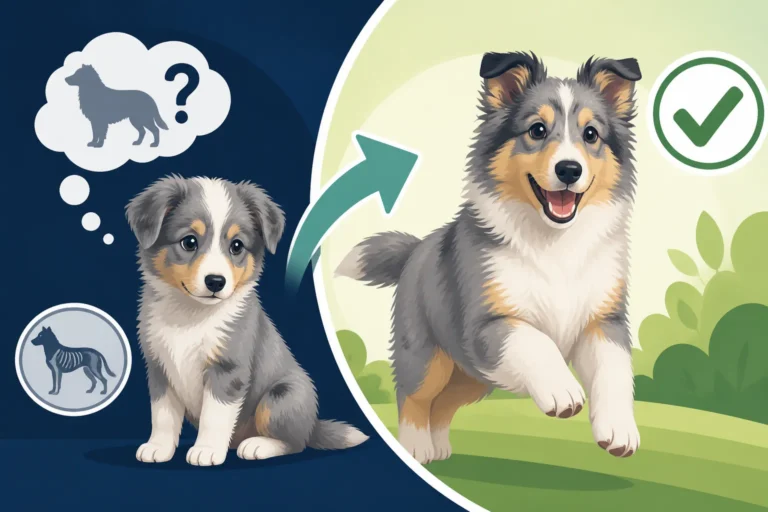
Why two years? Because by this age, your Collie has generally reached skeletal maturity. Their growth plates have closed, and their joints have developed to their full adult structure. X-rays taken before this age can be misleading. A puppy might have perfectly formed hips that look great on an X-ray, but as they grow, the joint laxity that leads to dysplasia could still manifest. Conversely, a young dog might show some minor abnormalities that naturally correct as their skeletal system fully matures. Waiting ensures that the evaluation is based on a fully developed adult joint, providing the most accurate and reliable assessment of hip health.
When you go for an official certification, the veterinarian will take specific X-ray views, typically with your Collie under sedation or light anesthesia to ensure proper positioning and minimize discomfort. These images are then submitted to an organization like OFA or PennHIP.
- OFA Certification: The OFA evaluates hip X-rays for signs of dysplasia and grades them based on specific criteria (Excellent, Good, Fair, Borderline, Mild, Moderate, or Severe Dysplasia). They look for joint conformation, stability, and any signs of degenerative changes. The "official" certification is only issued once the dog is two years old.
- PennHIP Evaluation: PennHIP is a different method that measures hip joint laxity (looseness) quantitatively. It requires three specific X-ray views and can actually be performed on dogs as young as 16 weeks, though the optimal age for a definitive assessment is usually around 24 months for Collies. The results are expressed as a distraction index (DI), which allows for a more objective assessment of a dog's predisposition to hip dysplasia compared to a subjective grade.
For any Collie owner considering breeding, obtaining an official hip certification is a non-negotiable step to help ensure the health of future generations. Even for pet owners, this definitive assessment provides invaluable information about your dog's long-term health prospects and helps you plan for their future care. You can learn more about The Three Genetic Tests a Collie Breeder Owes You for a broader understanding of responsible breeding practices.
When Earlier X-rays Might Be Considered
While 24 months is the gold standard for official certification, there are certainly scenarios where a veterinarian might recommend earlier hip X-rays for your Collie. These are usually considered "preliminary" X-rays and are performed for diagnostic purposes rather than official certification.
- Suspected Symptoms in a Puppy or Adolescent: If your young Collie is showing any signs consistent with hip dysplasia – maybe they're limping, bunny hopping when they run, struggling to get up, seem unusually stiff, or just don't want to play as much – your vet will likely recommend X-rays right away, regardless of age. These symptoms are a strong indicator that something is amiss, and addressing it promptly is crucial. Even if the bones aren't fully mature, these images can reveal significant joint laxity or early degenerative changes that warrant immediate attention and management.
- Pre-Purchase Screening: Some breeders might perform preliminary X-rays on puppies they plan to keep for their breeding program, or on young adults, before the official 24-month mark. While these aren't official certifications, they can provide an early indication of hip quality. However, always remember that preliminary results don't guarantee the final outcome. A "good" preliminary report doesn't mean the dog won't develop dysplasia later, and a "borderline" one might improve with maturity.
- Rescue Collies: If you've adopted a rescue Collie and their health history is unknown, your vet might suggest preliminary X-rays to establish a baseline of their joint health. This is especially true if the dog is older than a puppy but hasn't reached two years, or if they're exhibiting any lameness. This proactive approach helps you understand their needs and plan for their long-term care, much like testing a Whether a Rescue Collie Should Be MDR1 Tested First can inform their overall medical care.
It's vital to discuss with your vet the purpose of any X-ray taken before 24 months. These earlier images are valuable diagnostic tools, but they should be interpreted with the understanding that the Collie's skeleton is still developing.
The Science Behind Skeletal Maturity
The primary reason for waiting until a Collie is around two years old for official hip evaluations lies in the concept of skeletal maturity. Dogs, like humans, have growth plates (also known as epiphyseal plates) at the ends of their long bones. These plates are made of cartilage and are where new bone is produced, allowing the bones to lengthen as the puppy grows.
For Collies, these growth plates typically close and solidify into bone around 12 to 18 months of age, though individual variations exist. However, the entire joint capsule, ligaments, and surrounding musculature continue to strengthen and develop beyond just the bone growth. The overall stability and congruence of the hip joint are still being established during this period.
If X-rays are taken before complete skeletal maturity, especially before the growth plates have fully fused, the images might not accurately represent the dog's adult hip conformation. For example, joint laxity that appears significant in a 12-month-old might tighten up naturally as the dog's muscles strengthen and the joint capsule matures. Conversely, hips that look good at one year could still degrade if there's an underlying genetic predisposition to laxity that only becomes apparent with continued development and weight-bearing stresses. This is why organizations like OFA require the two-year minimum for a truly definitive assessment. It provides a consistent benchmark, ensuring that evaluations are performed on fully mature joints, reducing the margin of error and providing the most reliable results for breeders and owners.
Preparing Your Collie for Hip X-rays
Getting your Collie ready for hip X-rays involves more than just scheduling an appointment. Proper preparation ensures the best possible images and a smooth, safe experience for your beloved dog.
The Role of Anesthesia and Sedation
For accurate hip X-rays, especially those intended for official certification, your Collie must be perfectly still and positioned precisely. This is where anesthesia or heavy sedation becomes absolutely necessary. It's not just about compliance; it's about minimizing discomfort and ensuring muscles are relaxed so the joints can be properly extended and rotated without resistance. Without this, even the most cooperative Collie might tense up, and even slight movement can lead to blurry or improperly positioned images that are unsuitable for evaluation.
Many owners understandably have concerns about anesthesia, and that's completely valid. No one wants to put their dog at unnecessary risk. However, modern veterinary anesthesia is much safer than it used to be. Your vet will take several precautions:
- Pre-Anesthetic Bloodwork: This is crucial. Blood tests help assess your Collie's organ function (liver, kidneys) to ensure they can safely process the anesthetic drugs. It also checks for underlying conditions that might increase anesthetic risk.
- Physical Examination: A thorough physical exam will be performed to check heart and lung health.
- Tailored Anesthetic Protocol: The vet will choose anesthetic agents specifically suited for your Collie's age, health status, and breed, taking into account any sensitivities they might have. For example, if your Collie has the Assume Your Collie Has the MDR1 Mutation, certain sedatives and anesthetics might need careful consideration or adjustment.
- Monitoring: During the procedure, your Collie's vital signs (heart rate, respiration, blood pressure, oxygen saturation, temperature) will be closely monitored by a trained veterinary technician.
It's important to have an open conversation with your vet about these concerns. They can walk you through the specific protocol they'll use and address any worries you have.
What to Discuss with Your Veterinarian
Before the X-ray appointment, make a list of questions and concerns to discuss with your vet. This ensures you're fully informed and comfortable with the process.
Here are some key topics:
- Pre-Anesthetic Requirements: Ask about fasting instructions (typically no food after midnight, water until morning), and if any medications need to be withheld.
- Bloodwork: Confirm that pre-anesthetic bloodwork will be performed and what it entails.
- Anesthetic Protocol: Ask what specific anesthetic and sedative drugs will be used and why. If you know your Collie's MDR1 status, be sure to highlight this.
- Cost: Get a clear estimate of the total cost, including the X-rays, anesthesia, bloodwork, and any related fees. Pet insurance providers like Healthy Paws can often help with the costs of diagnostics and treatments for conditions like hip dysplasia, especially if a policy is in place before any symptoms are noted.
- Recovery: Understand what to expect during recovery, how long your Collie will be at the clinic, and any post-procedure care instructions for at home.
- Results: How long will it take to get the results, especially if you're submitting them for OFA or PennHIP certification? Who will explain the results to you?
- Alternative Options: Discuss whether there are any alternatives to X-rays for preliminary assessment, though for definitive diagnosis and certification, X-rays are typically required.
A thorough discussion will help alleviate anxiety and ensure you're prepared for your Collie's procedure.
Understanding the OFA and PennHIP Processes
When it comes to official hip screening for Collies, the two most recognized methods in North America are the Orthopedic Foundation for Animals (OFA) and PennHIP. Both aim to evaluate hip health, but they approach it differently.
| Feature | OFA Evaluation | PennHIP Evaluation |
|---|---|---|
| Minimum Age | 24 months (2 years) for official certification | 16 weeks (4 months) for preliminary, but around 24 months for definitive assessment in Collies. Early screening possible, but full maturity still optimal for final assessment. |
| Views Required | One standard ventrodorsal (VD) extended hip view | Three views: Standard VD extended, Compression, and Distraction views |
| Assessment Method | Subjective grading by 3 board-certified radiologists (Excellent, Good, Fair, Borderline, Mild, Moderate, Severe Dysplasia) | Quantitative measurement of hip joint laxity (Distraction Index – DI). Lower DI indicates tighter hips. |
| Information Provided | A grade reflecting hip conformation and integrity, identifying signs of arthritis | A DI score that predicts the likelihood of developing hip osteoarthritis, comparing your dog's DI to other dogs of the same breed. |
| Cost | Generally lower per evaluation as it requires fewer specialized views | Generally higher due to the specialized equipment and training required for taking the three specific views |
| Veterinarian | Any licensed veterinarian can take OFA-compliant X-rays | Requires a veterinarian certified by PennHIP to perform the evaluation |
| Benefits | Widely recognized, simple procedure, good for identifying obvious dysplasia. | More objective, provides a more accurate predictor of future hip health, can detect laxity in dogs with otherwise "normal" looking OFA-style X-rays. |
Many breeders, and increasingly pet owners, choose PennHIP because its quantitative measurement of laxity is considered a more precise indicator of a dog's genetic predisposition to hip dysplasia, even before overt signs of arthritis appear. However, both are valuable tools. Discussing which method is best for your Collie, based on your goals (e.g., breeding, general health assessment), with your veterinarian is key.
Interpreting X-ray Results and Next Steps
Once the X-rays are done and evaluated, you'll receive a report detailing your Collie's hip health. This can be a moment of great relief or, potentially, concern. Understanding what the results mean and how to proceed is crucial.
Decoding Your Collie's Hip Score
If you opted for OFA certification, your Collie's hips will receive one of several ratings:
- Excellent, Good, or Fair: These are passing grades, indicating that the hips are considered normal and free of dysplasia. "Excellent" means near-perfect conformation, "Good" indicates well-formed hips, and "Fair" means adequate, but with some minor irregularities that are still considered within normal limits. If your Collie falls into one of these categories, you can breathe a sigh of relief. This doesn't guarantee they'll never have hip issues (environmental factors, injury, and aging can still play a role), but it significantly reduces their genetic predisposition.
- Borderline: This is where it gets a little ambiguous. Borderline means there are some minor irregularities, but they're not quite severe enough to be classified as dysplastic. The OFA often recommends re-X-raying in 6-12 months to see if the hips have stabilized or changed. This can be a frustrating score, but it's an opportunity to be extra vigilant with joint care.
- Mild, Moderate, or Severe Dysplasia: These grades indicate that hip dysplasia is present. The severity dictates the extent of the joint laxity and degenerative changes. A "Mild" diagnosis might involve minimal laxity and early signs of arthritis, while "Severe" indicates significant malformation, extensive laxity, and pronounced arthritic changes.
For PennHIP results, you'll receive a Distraction Index (DI) score, which ranges from 0 to 1.0. A DI closer to 0 indicates very tight hips (less laxity), while a DI closer to 1.0 means very loose hips (more laxity). Along with the DI, you'll get a report comparing your Collie's score to other Collies, placing them in a percentile within the breed. For example, a DI of 0.3 might put your Collie in the 80th percentile, meaning 80% of Collies have looser hips than yours. This objective measurement helps predict the likelihood of developing osteoarthritis; dogs with looser hips (higher DI) are at greater risk.
Regardless of the system, your veterinarian will be your best resource for interpreting these scores and discussing their implications for your individual Collie.
Managing a Collie with Hip Dysplasia
Receiving a diagnosis of hip dysplasia can be disheartening, but it's not a death sentence for your Collie's quality of life. Many dogs with hip dysplasia live full, active, and happy lives with proper management. The key is a multi-faceted approach focusing on pain control, joint support, and maintaining ideal body condition.
Here's how you can manage a Collie with hip dysplasia:
- Weight Management: This is perhaps the single most important factor. Every extra pound significantly increases the load on already compromised joints. Work with your vet to determine your Collie's ideal weight and develop a feeding plan. Whether a Collie's Weight Shortens Its Life is not just about hip dysplasia, but overall health, and maintaining a lean physique is crucial for joint health.
- Controlled Exercise: While strenuous activity or high-impact sports might be off the table, consistent, moderate exercise is vital. Short, frequent walks on soft surfaces, swimming, or carefully managed leash walks can help build muscle strength around the joint, providing natural support, without exacerbating inflammation. Avoid sudden stops, jumps, or long-distance running, especially on hard surfaces.
- Supplements: Joint supplements containing glucosamine, chondroitin, and MSM can help support cartilage health and reduce inflammation. Omega-3 fatty acids, often found in fish oil, are also powerful anti-inflammatories. Discuss specific brands and dosages with your vet. Many Collie owners find that Whether a Collie Needs Joint Support From Middle Age becomes a proactive measure once their dog hits the senior years, but it can be critical earlier for dogs with diagnosed hip dysplasia.
- Pain Management: For dogs experiencing pain, your vet might prescribe non-steroidal anti-inflammatory drugs (NSAIDs) or other pain relievers. These medications can significantly improve comfort and mobility. Long-term use requires regular monitoring of liver and kidney function.
- Physical Therapy/Rehabilitation: Canine rehabilitation specialists can provide tailored exercise programs, hydrotherapy (underwater treadmill), massage, and other modalities to improve strength, flexibility, and reduce pain.
- Surgical Options: In more severe cases, especially in younger dogs, surgical interventions might be considered. These range from procedures like Triple Pelvic Osteotomy (TPO) for younger dogs with significant laxity but no arthritis, to Femoral Head Ostectomy (FHO) or Total Hip Replacement (THR) for more advanced cases. These are major decisions and should be discussed thoroughly with a veterinary orthopedic specialist.
- Supportive Environment: Provide soft bedding, ramps to access furniture or cars, and ensure traction on slippery floors to prevent falls that can strain joints.
Living with a Collie with hip dysplasia requires ongoing attention, but by working closely with your veterinarian and being proactive, you can ensure your loyal companion continues to enjoy a good quality of life. For broader health considerations, understanding How Long a Collie Lives and What Ends It can help frame your long-term care plans.
Final Considerations for Collie Hip Health
Beyond X-rays: A Holistic Approach
While hip X-rays are an invaluable diagnostic tool, managing your Collie's hip health should extend beyond just getting images. It's a holistic endeavor that involves consistent care, vigilance, and proactive measures throughout their life.
Consider the following:
- Breeder Responsibility: If you're acquiring a puppy, ask the breeder for OFA or PennHIP certifications for both parent dogs. Reputable breeders prioritize health and transparency. This is part of a broader commitment to health, which includes What the Collie DNA Health Panel Covers.
- Nutrition: A high-quality diet that supports healthy growth without promoting rapid weight gain is crucial for puppies. For adults, maintaining a lean body condition is paramount. Discuss appropriate large-breed puppy formulas with your vet.
- Exercise for Puppies: Avoid excessive, high-impact exercise during puppyhood and adolescence. While play is important, intense, prolonged running, jumping, or forced exercise can put undue stress on developing joints.
- Recognizing Subtle Signs: Collies are incredibly stoic. They often hide pain until it becomes severe. Be attuned to subtle changes in their behavior: a slight reluctance to climb stairs, taking longer to get up after resting, a less enthusiastic greeting, or a change in their usual gait. Whether a Collie Hides Pain is a real concern and requires observant owners.
- Regular Veterinary Check-ups: Annual or bi-annual check-ups, especially as your Collie approaches The Age a Collie Is Considered Senior, allow your vet to monitor their joint health, discuss preventive measures, and catch any issues early. This can include early discussions about potential signs of Signs a Collie Has Hip Dysplasia.
- Pet Insurance: Investing in pet insurance, ideally when your Collie is a young puppy, can be a lifesaver. Policies from providers like Healthy Paws can help cover the significant costs associated with diagnosing, treating, and managing conditions like hip dysplasia throughout your dog's life. It's an important part of Insuring a Collie Against Inherited Disease. Waiting until a diagnosis is made often means the condition will be considered pre-existing and won't be covered.
By adopting a comprehensive approach to your Collie's health, focusing on genetics, nutrition, appropriate exercise, and vigilant observation, you can significantly enhance their chances of enjoying a long, comfortable, and active life.
Disclaimer
The information provided in this article is for general informational purposes only and does not constitute veterinary advice. Always consult with a qualified veterinarian for any health concerns or before making any decisions about your Collie's medical care, diet, or exercise regimen. Individual cases may vary, and a professional veterinary diagnosis is essential.