What the MDR1 Mutation Actually Does to a Collie
Finding out your beloved Collie might carry a genetic mutation like MDR1 can feel incredibly overwhelming, even terrifying. Suddenly, every vet visit, every routine medication, and even seemingly innocuous over-the-counter remedies become a minefield of potential danger. The fear that you might unknowingly give your dog something harmful, or that a vet unfamiliar with the breed might make a mistake, is a heavy burden to carry. This guide is here to shed light on exactly what the MDR1 mutation does to a Collie, helping you understand the science, identify the risks, and confidently advocate for your dog's health.
The Critical Role of the MDR1 Gene in Your Collie's Body
Before we can truly grasp the impact of the MDR1 mutation, it's essential to understand what the MDR1 gene, also known as ABCB1, is supposed to do. Think of it as your dog's personal bodyguard, specifically designed to keep toxins and certain drugs out of sensitive areas of the body, particularly the brain. This gene is vital for maintaining your Collie's health, acting as a crucial line of defense.
The P-Glycoprotein Pump: Your Dog's Internal Bouncer
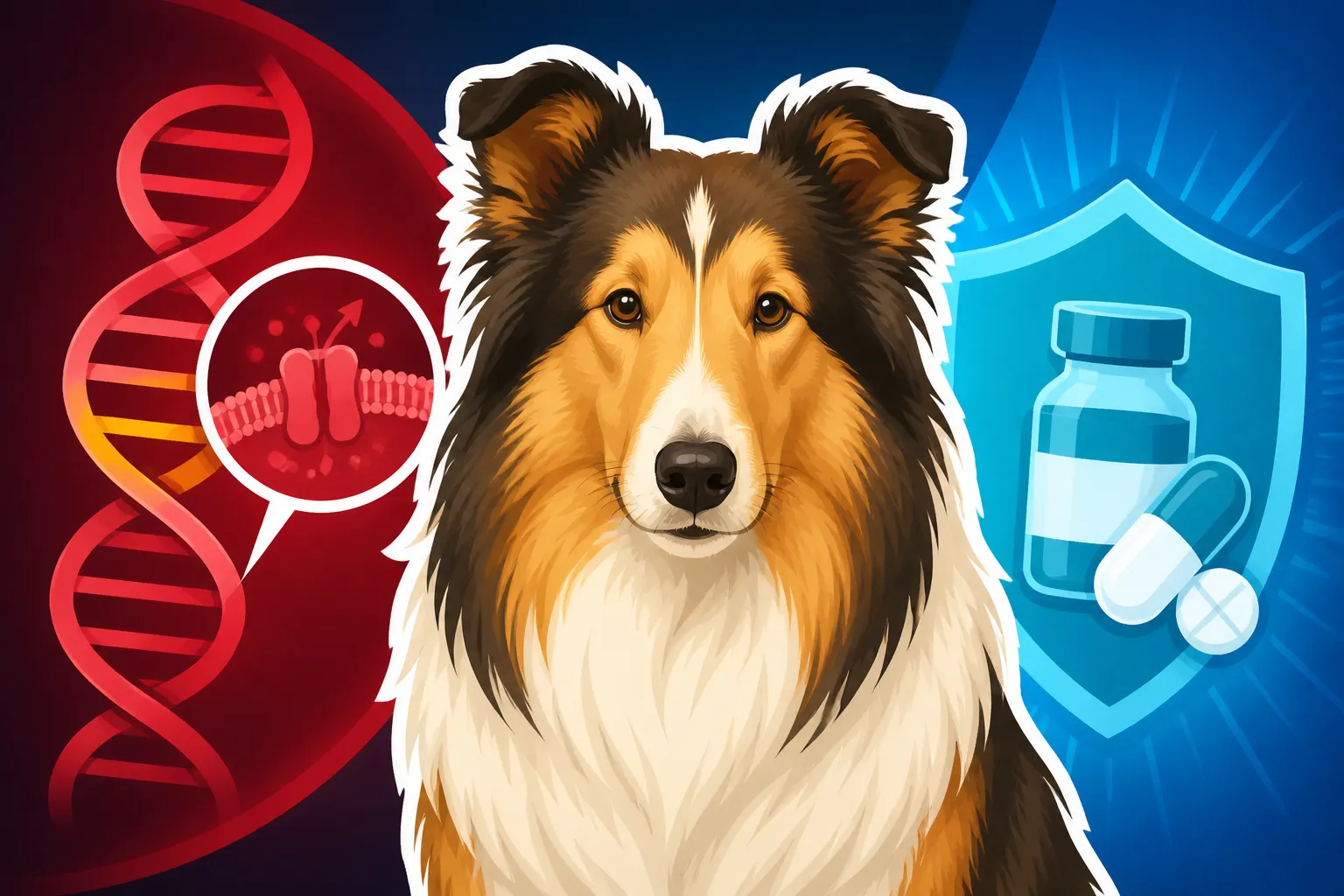
At the heart of the MDR1 gene's function is a protein called P-glycoprotein. Imagine P-glycoprotein as a tiny, highly efficient pump located in various cell membranes throughout your Collie's body. These pumps are particularly concentrated in places like the blood-brain barrier, the intestines, the kidneys, and the liver. Their job is quite simple: identify specific compounds (drugs, toxins, waste products) and actively transport them out of cells or out of sensitive organs.
For instance, at the blood-brain barrier, the P-glycoprotein pump forms a protective shield. It ensures that certain drugs that could otherwise cause neurological damage are immediately pumped back out of the brain's delicate environment and into the bloodstream, where they can be safely metabolized and excreted. Without these pumps working correctly, compounds that should stay out of the brain gain entry, leading to serious consequences. This diligent "bouncer" system is what keeps your dog safe from a host of harmful substances that might otherwise wreak havoc on their internal systems.
Natural Detoxification and Drug Metabolism
Beyond just guarding the brain, the MDR1 gene's P-glycoprotein pumps are integral to your Collie's overall detoxification and drug metabolism processes. When your dog ingests a medication, for example, these pumps work to absorb it appropriately in the intestines, transport it within the body, and then help the liver and kidneys excrete it efficiently. They dictate how much of a drug gets absorbed, how much reaches its target, and how quickly it's removed from the system.
This isn't just about keeping bad stuff out; it's also about managing the levels of beneficial substances and ensuring proper drug efficacy. A healthy MDR1 gene ensures that therapeutic drug levels are achieved where needed, and then cleared before they become toxic. It's a finely tuned system that maintains balance. When this system is compromised, even standard doses of common medications can become dangerous, accumulating to toxic levels because the body can't process or eliminate them as it should. This fundamental understanding is key to recognizing why the mutation is such a significant concern for Collie owners.
The Genetic Glitch: What the MDR1 Mutation Actually Does
Now that we know the critical role of the normal MDR1 gene, let's talk about what happens when it's mutated. For Collies, this isn't just a minor tweak; it's a significant functional impairment that affects how their bodies handle certain medications. This mutation is relatively common in the breed, making it a crucial topic for every Collie owner to understand.
The Defective P-Glycoprotein: A Broken Barrier
The MDR1 mutation in Collies leads to a defect in the gene that codes for the P-glycoprotein pump. Instead of producing a fully functional pump, the dog's body produces a faulty, non-functional, or significantly reduced number of these pumps. Imagine our "internal bouncer" from before suddenly being absent or asleep on the job. The crucial protective barriers, especially the blood-brain barrier, become permeable to drugs and toxins that should otherwise be excluded.
This broken barrier means that certain medications, even at standard therapeutic doses, can flood into the brain. Instead of being actively pumped out, they linger, accumulate, and exert their effects on the central nervous system. This isn't just a slower elimination; it's a complete breakdown of a vital protective mechanism. The consequences can range from mild neurological signs to severe, life-threatening toxicity, even death. It's a stark reminder that what's safe for other breeds might be deadly for an MDR1-affected Collie. This is why many owners choose to simply Assume Your Collie Has the MDR1 Mutation until testing proves otherwise.
How It Affects Drug Distribution and Elimination
The impact of a defective P-glycoprotein pump extends beyond just the brain. These pumps also play a role in drug absorption from the gut, distribution to other organs, and excretion by the liver and kidneys. When they're not working:
- Increased Absorption: More of certain drugs might be absorbed from the intestines into the bloodstream than would normally occur.
- Reduced Excretion: The liver and kidneys may have a harder time actively pumping these drugs out of the body, leading to longer circulation times and higher cumulative levels.
- Accumulation in Tissues: Drugs can build up in various tissues, not just the brain, intensifying their effects and increasing the risk of systemic toxicity.
This means that for an MDR1-mutant Collie, the entire pharmacokinetic profile of certain drugs is altered. A dose calculated to be safe for a dog with functioning MDR1 pumps becomes an overdose for a dog without them. It's not just about what reaches the brain, but how the entire body handles and processes these specific compounds. Understanding What the MDR1 Mutation Actually Does to a Collie is critical for preventing these devastating drug reactions. Many owners question Whether One Copy of MDR1 Is Enough to Harm a Collie, and the answer is that even one copy can make a Collie sensitive to certain drugs, though typically less severely than those with two copies.
A Dangerous Drug List for MDR1 Collies
The most immediate and concerning implication of the MDR1 mutation is the list of drugs that become dangerous or even lethal to affected Collies. This isn't just a guideline; it's a critical list that every Collie owner and every veterinarian treating a Collie should be intimately familiar with. Ignoring it can have tragic consequences.
Common Medications to Avoid or Use with Extreme Caution
While the full list of problematic drugs is extensive and ever-evolving as new research emerges, certain medications are consistently flagged as high-risk for MDR1-affected Collies. These drugs often target the central nervous system or are known to be substrates for the P-glycoprotein pump. Here are some of the most critical:
- Ivermectin: This antiparasitic is perhaps the most famous culprit. While low doses found in heartworm preventives are generally considered safe for most MDR1 Collies (more on this below), higher doses used for treating conditions like demodectic mange can be lethal. When an MDR1 Collie gets Ivermectin in higher doses, it can lead to severe neurological symptoms. For those asking What Happens When an MDR1 Collie Gets Ivermectin, the answer is a profound neurological crisis.
- Loperamide (Imodium): Often used for diarrhea, loperamide is an opioid derivative. In a dog with a functioning MDR1 gene, it's largely kept out of the brain. However, in an MDR1 Collie, it crosses the blood-brain barrier, causing severe central nervous system depression, respiratory issues, and sedation. Whether Loperamide Is Dangerous to a Collie is not a question – it absolutely is.
- Selamectin, Milbemycin, Moxidectin: These are other antiparasitics found in various heartworm and flea/tick preventives. While manufacturers often formulate these at very low, safe doses for most dogs, caution is still advised, and specific products should be discussed with a vet familiar with MDR1. Whether Heartworm Preventive Is Safe for a Collie depends on the specific drug and dosage, highlighting the need for vigilance. Similarly, for flea treatments, Whether Flea Treatment Is Safe for an MDR1 Collie requires careful review of ingredients.
- Acepromazine: A common sedative, acepromazine can cause profound and prolonged sedation in MDR1 Collies due to increased brain penetration. Whether an MDR1 Collie Can Take Any Sedative is a resounding "no," and careful selection is paramount.
- Butorphanol: Another opioid, similar to loperamide, it can cause intensified central nervous system depression.
- Vincristine, Vinblastine, Doxorubicin: These are chemotherapy agents. For MDR1 Collies, these drugs can cause increased toxicity, including severe bone marrow suppression and gastrointestinal issues. Whether Chemotherapy Drugs Are Riskier for a Collie is a definite yes, necessitating significant dose adjustments.
This is by no means an exhaustive list, but it highlights the critical nature of vigilance. The best approach is always to check the most current comprehensive list, which is often maintained by veterinary pharmacologists and genetic testing labs. Ensure your vet is fully aware of The Drug List That Can Kill a Collie and has alternatives ready.
Understanding Dosage Sensitivities
It's important to differentiate between drugs that are absolutely contraindicated and those that require significant dose reduction or careful monitoring. Some drugs are dangerous at any dose for an MDR1 Collie, while others become toxic only at higher concentrations. For example, many heartworm preventives contain milbemycin or ivermectin, but at doses so low they typically don't cause issues in even genetically affected Collies. However, a higher therapeutic dose for a skin parasite, for instance, could be fatal.
This nuance is why open and informed communication with your veterinarian is absolutely non-negotiable. Don't assume anything. Always confirm that your vet is aware of your Collie's MDR1 status, or that you Assume Your Collie Has the MDR1 Mutation, and double-check all medications, even those you might consider routine. It's often safer to opt for alternative drugs that are not substrates for the P-glycoprotein pump when available, just to be on the safe side.
A quick reference for some key medications and their risk levels for MDR1-affected Collies:
| Drug Category | Examples | MDR1 Collie Risk Level | Notes |
|---|---|---|---|
| Antiparasitics | Ivermectin, Loperamide, Selamectin, Milbemycin, Moxidectin | High to Extreme | High-dose Ivermectin is lethal. Loperamide causes severe neurological depression. Low-dose preventives may be safe, but always verify and consider alternatives. |
| Sedatives/Anesthetics | Acepromazine, Butorphanol, Midazolam | Moderate to High | Can cause profound and prolonged sedation. Requires significant dose reduction or alternative medications. Whether Anesthesia Is Riskier for an MDR1 Collie is a key concern requiring careful planning. |
| Chemotherapy | Vincristine, Vinblastine, Doxorubicin | High to Extreme | Increased risk of bone marrow suppression, gastrointestinal toxicity, and other adverse effects. Requires significant dose adjustments and close monitoring. |
| Antibiotics | Erythromycin | Low to Moderate | Generally safer, but some may require monitoring as they can weakly interact with P-glycoprotein. |
| Steroids | Dexamethasone | Low to Moderate | Typically safe, but high doses or prolonged use might warrant closer observation. |
This table is a simplified guide. Always consult your veterinarian and reliable resources for the most up-to-date and complete information.
Recognizing and Responding to a Drug Reaction
The thought of your Collie having a severe drug reaction is terrifying, but knowing the signs and understanding how to react can make all the difference. Early recognition and immediate veterinary intervention are crucial for a positive outcome. You can't prevent every accident, but you can be prepared.
Signs and Symptoms of Toxicity
An MDR1 drug reaction in a Collie typically manifests as neurological symptoms, as the problematic drugs often accumulate in the brain. The severity can vary depending on the drug, the dose, and the individual dog's genetic status (homozygous affected vs. heterozygous carrier). Here are the common signs an MDR1 Collie is having a drug reaction:
- Neurological Signs: This is the most prevalent category. You might observe:
- Ataxia (Loss of Coordination): Your Collie might appear drunk, stumbling, swaying, or unable to walk in a straight line. They might drag their paws.
- Disorientation/Dullness: They might seem confused, unresponsive, or have a vacant stare.
- Excessive Sedation/Coma: This can range from extreme lethargy and difficulty rousing them to full unconsciousness.
- Tremors/Seizures: In severe cases, muscle tremors or even full-blown seizures can occur.
- Blindness (Temporary or Permanent): Although less common, some drugs can affect the optic nerve or brain areas responsible for vision.
- Gastrointestinal Signs: While less specific, these can accompany neurological signs:
- Vomiting
- Diarrhea
- Excessive Drooling
- Other Potential Signs:
- Dilated Pupils: Often seen with neurological toxicity.
- Weakness/Collapse: A general lack of strength leading to inability to stand.
- Slowed Heart Rate/Respiration: Especially with central nervous system depressants.
These symptoms can appear anywhere from minutes to hours after exposure. It’s crucial to know that Signs an MDR1 Collie Is Having a Drug Reaction often mirror other serious medical conditions, so immediate veterinary attention is always warranted.
Immediate Steps and Emergency Care
If you suspect your Collie is having an adverse drug reaction, every second counts. Don't wait to see if it gets better.
- Contact Your Veterinarian IMMEDIATELY: Call your vet or the nearest emergency veterinary clinic. Describe what happened, what drug was administered (if known), the dose, and your Collie's current symptoms. Mention their Collie breed and confirmed or suspected MDR1 status. It's often a good idea to What a Collie Owner Should Carry to an Emergency Visit, like a laminated card with their MDR1 status and a list of contraindicated drugs.
- Head to the Clinic: Get your dog to veterinary care as quickly and safely as possible.
- Do Not Induce Vomiting Unless Instructed: Only induce vomiting if your vet specifically tells you to, as some drugs can cause aspiration pneumonia if vomited.
- Bring All Information: Take any medication bottles, packaging, or your Collie's medical records with you. This information is invaluable to the veterinary team.
Emergency treatment will focus on supportive care, such as intravenous fluids to help flush the drug from the system, activated charcoal to bind any unabsorbed drug in the gut, and medications to manage symptoms like seizures or severe sedation. In some cases, lipid emulsion therapy might be used, which helps to "trap" fat-soluble drugs in the bloodstream, reducing their access to the brain and other organs. The recovery time can be prolonged, sometimes days or even weeks, but many Collies, with prompt and aggressive treatment, can recover. However, Whether an MDR1 Collie Recovers From a Reaction depends heavily on the drug, dose, and speed of intervention. This is also where good pet insurance, like a plan from Healthy Paws, can be a literal lifesaver, helping cover the often substantial costs of emergency care for an MDR1 reaction.
Living Responsibly with an MDR1 Collie
Managing a Collie with the MDR1 mutation might sound daunting, but with awareness, preparedness, and good communication, it's entirely manageable. It simply means being a proactive advocate for your dog's health.
Communicating with Your Veterinarian
This is perhaps the single most important aspect of living with an MDR1 Collie. Your vet needs to be fully informed.
- Get Your Collie Tested: If you haven't already, get your Collie genetically tested for the MDR1 mutation. Knowing their status (clear, carrier, or affected) provides definitive information. What an MDR1 Test Costs for a Collie is a small investment for peace of mind. Reputable labs like those from Washington State University's College of Veterinary Medicine (where the mutation was first discovered) are excellent options for Which Lab Runs the Collie MDR1 Test.
- Educate Your Vet (Politeltly): While many vets are aware of MDR1, not all are equally knowledgeable about the nuances, especially with newer drugs. Provide your vet with a copy of your Collie's genetic test results. Discuss the specific list of drugs to avoid. Ask them to flag your Collie's chart prominently with their MDR1 status. How a Collie Owner Tells the Vet About MDR1 often involves a polite, informative conversation with supporting documentation. Whether a Collie's Chart Should Be Flagged at the Clinic is unequivocally yes.
- Discuss Every Prescription: Before your Collie is given any medication, ask your vet to verify it's safe for an MDR1-affected dog. Don't be shy about asking questions and confirming.
- Consider Alternatives: Whenever possible, choose medications that are known not to be substrates for the P-glycoprotein pump. Many safe alternatives exist for common treatments.
- Emergency Preparedness: Ensure all emergency vets in your area (if you have multiple options) are aware of your Collie's condition if you ever need to visit an unfamiliar clinic. Whether Emergency Vets Know About MDR1 in Collies can vary, so carrying information is key.
Preventative Measures and Daily Life
Beyond vet visits, there are practical steps you can take in daily life to keep your MDR1 Collie safe.
- Medical Alert Tag: Consider having your Collie wear a medical alert tag on their collar that states "MDR1 Mutant" or "Drug Sensitive." This is invaluable if your dog ever gets lost or requires emergency care when you're not present. Whether a Collie Should Wear a Medical Tag is a clear yes for affected dogs.
- Secure All Medications: Treat all human and pet medications like highly toxic substances. Store them securely out of reach, in locked cabinets if necessary. Accidental ingestion is a real risk.
- Beware of Unknown Substances: If your Collie ingests something suspicious outdoors, immediately contact your vet, especially if you can identify the substance.
- Inform Other Caregivers: If your Collie goes to a groomer, boarder, or pet sitter, make sure they are aware of the MDR1 mutation and understand the importance of not administering any medications without your explicit approval.
- Pet Insurance: Having pet insurance, like a plan from Healthy Paws, can provide significant peace of mind. While most policies won't cover pre-existing conditions, a robust plan can help with unexpected illnesses, injuries, and potentially even the cost of managing an accidental MDR1 drug reaction, which can be very expensive. What MDR1 Costs a Collie Owner in Caution and Vet Time can be substantial, making insurance a wise investment.
Living with an MDR1 Collie doesn't have to be filled with anxiety. By becoming educated, communicating effectively with your vet, and taking simple preventative measures, you can ensure your beloved companion lives a long, healthy, and happy life, free from the dangers of inappropriate medications.
The Importance of Genetic Testing and Responsible Breeding
Understanding the MDR1 mutation isn't just about managing an already affected dog; it's also about preventing future generations from inheriting this preventable condition. Genetic testing and responsible breeding practices are cornerstones of improving Collie health.
Why Genetic Testing is Crucial
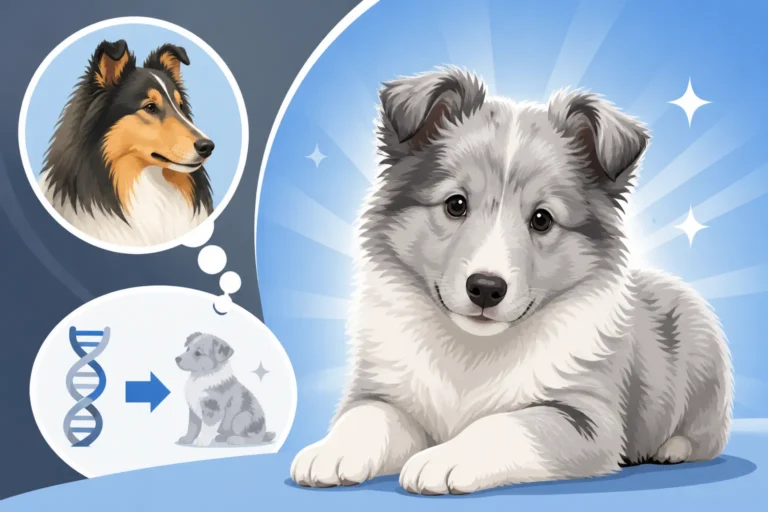
Genetic testing for the MDR1 mutation is a simple, non-invasive process, usually done with a cheek swab or blood sample. The results typically classify your Collie into one of three categories:
- MDR1 N/N (Normal/Clear): The dog has two normal copies of the gene and does not carry the mutation. They can safely metabolize all drugs as expected.
- MDR1 N/M (Carrier/Heterozygous): The dog has one normal copy and one mutated copy. They are a carrier. These dogs can be sensitive to certain drugs, although often less severely than affected dogs, and they can pass the mutation to their offspring. Their P-glycoprotein pumps might be less efficient, but still somewhat functional.
- MDR1 M/M (Affected/Homozygous): The dog has two mutated copies of the gene. They are fully affected and highly sensitive to problematic drugs. Their P-glycoprotein pumps are largely non-functional.
Knowing your dog's status is paramount. It allows you to confidently guide your vet's medication choices and informs potential breeding decisions. For Whether a Rescue Collie Should Be MDR1 Tested First, the answer is a resounding yes, as their genetic history is often unknown. This simple test is a powerful tool for safeguarding your Collie's health.
Breeding Decisions for a Healthier Future
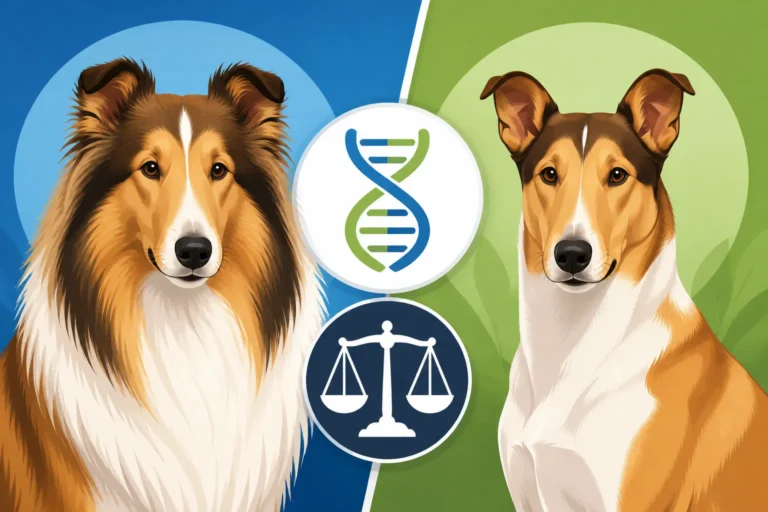
For responsible Collie breeders, genetic testing for MDR1 is not optional; it's an ethical imperative. The goal should be to reduce the prevalence of the mutation in the breed over time, while maintaining genetic diversity.
- Avoid Breeding Affected to Affected: Breeding two MDR1 M/M dogs will result in 100% MDR1 M/M puppies, guaranteeing that every single puppy will be affected. This practice is universally condemned by responsible breeders.
- Strategic Breeding with Carriers: Breeding a clear (N/N) dog to a carrier (N/M) dog will produce approximately 50% clear and 50% carrier puppies. These puppies can then be tested to determine their individual status.
- Breeding to Eliminate the Mutation: The most desirable long-term strategy is to breed only N/N dogs to N/N dogs, which will produce 100% clear offspring. However, given the mutation's prevalence in Collies, an abrupt halt to all carrier breeding could severely limit the gene pool, potentially introducing other genetic problems. A phased, thoughtful approach is usually recommended.
Responsible breeders are transparent about their dogs' genetic health panel results, including MDR1 status. They will test all breeding stock and share these results with prospective puppy buyers. This ensures that new owners are fully informed about their puppy's genetic predispositions and can make responsible choices regarding their veterinary care. The ongoing commitment to testing and thoughtful breeding decisions is how we collectively work towards a healthier future for the Collie breed, with fewer dogs facing the inherent risks of the MDR1 mutation.
Disclaimer
The information provided in this article is for educational and informational purposes only, and does not constitute veterinary advice. Always consult with a qualified veterinarian for any health concerns or before making any decisions about your Collie's medical care.