Herding, Rally and the Sports a Collie Was Made For
One of the most common frustrations Collie owners face is finding appropriate outlets for their intelligent, sensitive, and often energetic dogs. While Collies are renowned for their calm demeanor indoors, they still possess a keen mind and a historical drive that yearns for engagement. This guide is dedicated to exploring the rich tapestry of dog sports and activities that perfectly suit the Collie's unique blend of athleticism, intelligence, and biddability, helping you discover the perfect partnership opportunity for your beloved companion.
Understanding the Collie's Innate Drive for Work and Play
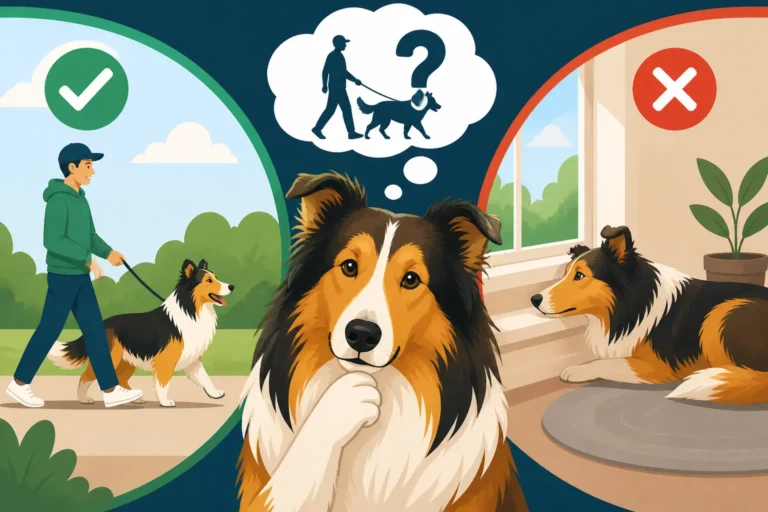
It's easy to look at your beautiful, regal Collie lounging gracefully by your feet and assume they're content with a few leisurely walks a day. And while they certainly excel at being wonderful family companions, beneath that flowing mane and gentle gaze lies a heritage of hard work and intelligent problem-solving. Ignoring this intrinsic drive can lead to boredom, frustration, and even undesirable behaviors. Understanding their nature is the first step in unlocking a world of fun and fulfillment for both of you.
The Herding Heritage That Shapes Their Instincts
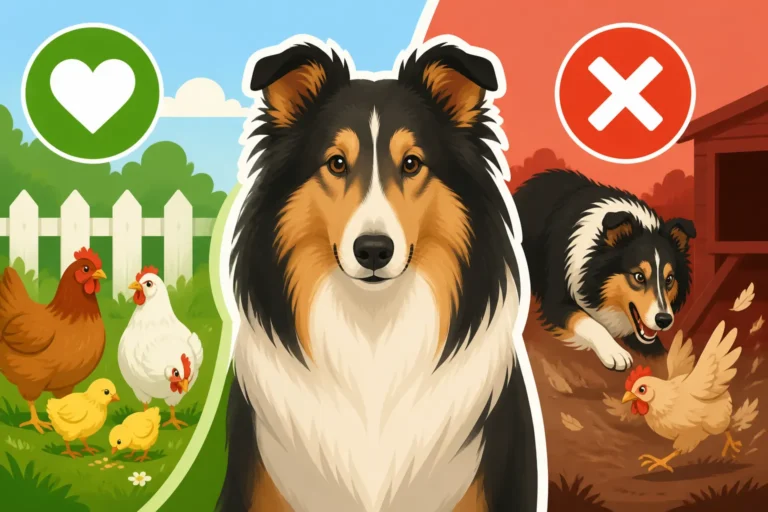
Our Collies, both rough and smooth varieties, descend from working dogs in Scotland, bred to gather and manage sheep. This isn't just a quaint historical fact; it's a fundamental part of their genetic makeup. They possess an innate intelligence, an acute awareness of their environment, and a desire to be part of a team, often manifested as a strong bond with their human family. They were selected for biddability, the ability to work cooperatively with a shepherd, rather than purely independent action, which is a hallmark of their personality even today. This means they generally thrive when given tasks that involve partnership and communication.
This herding background explains why many Collies exhibit a natural instinct to gather, to keep things together, and to be highly observant of movement. They might "herd" the kids in the backyard, or gently nudge you away from the edge of a path on a walk. This isn't naughtiness; it's instinct. Instead of suppressing these natural behaviors, dog sports provide a structured, positive outlet for them, allowing your Collie to express their true nature in a fun and controlled environment. It's about tapping into what they were born to do, even if "their flock" now consists of cones, hurdles, or scent articles instead of sheep.
Beyond the Flocks: Channeling Drive into Modern Activities
While actual herding is a perfect fit for many Collies (and we'll delve into that more soon!), not every Collie owner has access to sheep or wants to pursue livestock work. The good news is that the core traits that made them excellent herding dogs – intelligence, agility, responsiveness, and a keen desire to please – translate beautifully into a wide array of modern dog sports. Think about it: a dog that can read the subtle cues of a sheep and anticipate its movements can also learn to navigate an agility course with precision or follow a complex scent trail.
These sports offer mental stimulation that goes far beyond a simple walk around the block. They challenge your Collie to think, strategize, and work collaboratively with you. This mental workout is often just as tiring, if not more so, than physical exercise, leading to a truly content and well-adjusted dog. Moreover, participating in dog sports strengthens the bond between you and your Collie, building mutual trust and understanding as you learn and grow together. It's a fantastic way to spend quality time and really get to know your dog's capabilities.
The Importance of Mental and Physical Engagement
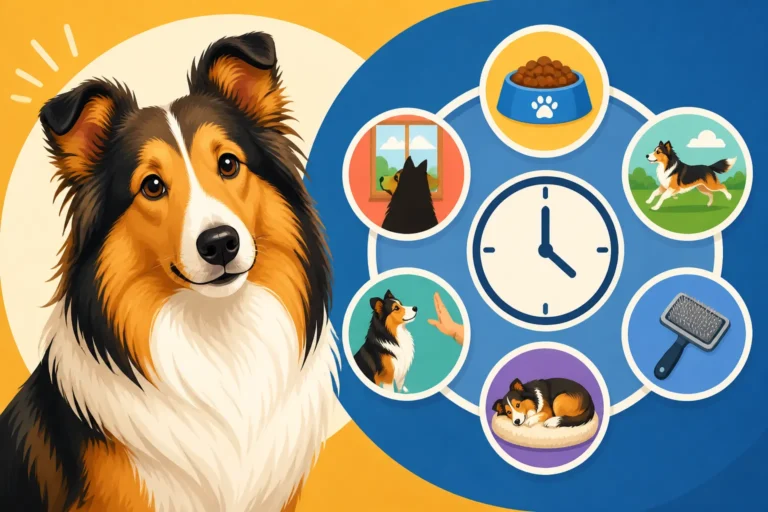
A well-rounded life for a Collie means engaging both their bodies and their minds. Physical exercise, of course, is crucial for their overall health and well-being. How Much Exercise a Collie Needs Daily is a common question, and while they don't necessarily need to run miles every day, regular activity is key. However, if that exercise lacks mental stimulation, you might find yourself with a dog that's physically tired but still restless. This is where dog sports shine.
Dog sports provide a purposeful outlet for your Collie's energy. Instead of pacing or barking out of boredom, they're channeling that energy into learning, performing, and achieving. This often results in a calmer, more focused dog at home. Think of it as sending your Collie to a really engaging school where they get to learn cool tricks and solve puzzles with their favorite person (you!). This combination of physical activity and cognitive challenge ensures they are truly satisfied at the end of the day, reducing the likelihood of destructive behaviors or excessive barking. Whether a Collie Needs a Job to Be Content is often answered by seeing how much they thrive when given one, even if it's just a fun game.
Herding: Connecting with the Collie's Roots
There's something incredibly special about watching a Collie engage with livestock, a palpable connection to generations of their ancestors. For many owners, delving into herding is a profound experience, allowing their dog to truly "be a Collie" in the most fundamental sense. It's not about turning your pet into a full-time working dog, but about giving them an opportunity to explore and express their deep-seated instincts in a safe and controlled environment.
What is Herding Instinct Testing?
Before diving headfirst into full-blown herding lessons, many owners opt for a herding instinct test. This is typically a short, structured session designed to determine if your Collie possesses the innate drive and ability to work livestock. It usually involves introducing your dog to a small group of sheep, under the guidance of an experienced handler and usually in a small, contained pen. The instructor observes how your Collie reacts: do they show interest? Do they try to move the sheep? Do they have "eye" (the intense stare characteristic of many herding breeds)?
It's a low-pressure environment, not a pass/fail situation. Some Collies show a strong, immediate instinct, while others might be more reserved at first but still demonstrate potential. The test simply helps you understand your dog's natural inclinations and whether herding might be a fulfilling path for them. It's a beautiful way to see a piece of their heritage come alive. For more details on what to expect, you might check out What a Herding Instinct Test Involves for a Collie.
Introduction to Livestock and Beginning Herding
If your Collie shows interest in a herding instinct test, the next step is often introductory herding lessons. These classes are all about building a foundation of communication and control between you and your dog around livestock. You'll learn the basic commands, how to read your dog's body language in response to the sheep, and how to guide them effectively. It's a partnership, with you as the shepherd and your Collie as your assistant.
Lessons typically start in a small, enclosed area, gradually increasing the size of the flock and the complexity of the tasks. Safety is paramount for both your dog and the sheep. Experienced instructors understand the Collie's sensitive nature and use positive reinforcement methods, encouraging their natural abilities without overwhelming them. It’s an incredibly rewarding journey, watching your dog learn to balance their instincts with your direction. Imagine the pride in seeing your Collie gently gather a flock, understanding their job with a focus that transforms them. If you're wondering Whether a Collie Should Try Herding Sheep, the answer is often yes, if the opportunity arises and they show interest!
The Differences Between Working Style and Show Ring Style Herding
It's important to understand that herding, like many dog sports, can have different styles. "Working style" herding focuses on practical, real-world farm tasks: gathering, driving, penning, and shedding, often with minimal verbal commands and a strong emphasis on the dog's initiative and problem-solving skills. These are the dogs that truly get the job done on a ranch.
"Show ring style" herding, often seen in sanctioned trials, still requires genuine herding ability but often adheres to a more formalized set of rules and patterns. The emphasis might be on specific courses, precise maneuvers, and responsiveness to handler commands within a set time. While both require true herding instinct, the nuances of training and competition can differ. Neither is inherently "better"; it simply depends on your goals and what you and your Collie enjoy most. Many Collies excel in either, or even both, thanks to their adaptable intelligence. You can even pursue official titles, learning Whether a Collie Can Earn a Herding Title to recognize their accomplishments.
Rally Obedience: Precision and Partnership
Rally Obedience, often just called Rally, is a fantastic dog sport that has soared in popularity, and for good reason—it’s wonderfully suited to the Collie's temperament and desire to work with their human. It combines the structure of traditional obedience with a more relaxed, encouraging atmosphere, making it a perfect entry point for many teams.
What Makes Rally a Great Fit for Collies?
Collies are known for their intelligence, eagerness to please, and strong bond with their owners. These qualities make them natural stars in Rally. The sport involves navigating a course of numbered stations, each with a sign instructing the handler and dog to perform a specific obedience exercise. Unlike traditional obedience, handlers can talk to, encourage, and praise their dogs throughout the course. This constant communication plays right into the Collie's preference for working in close partnership and responding to gentle guidance.
The exercises are based on everyday obedience commands like sit, stay, down, and heel, but with fun variations such as turns, pivots, and moving backward. A Collie's natural grace and willingness to learn complex sequences mean they often pick up Rally commands quickly. Plus, the emphasis on positive reinforcement and the opportunity for continuous praise keeps their sensitive nature thriving. It's a true team sport, and Collies, with their inherent desire to connect, truly blossom in this environment. Whether a Collie Excels at Rally and Obedience is often answered with a resounding yes, as their temperament aligns so well with the sport's philosophy.
Navigating the Course: Signs and Stations
A Rally course is set up with between 10 to 20 stations, depending on the level of competition. At each station, there's a sign detailing the exercise to be performed. For example, one sign might say "Spiral Left – Dog Outside," requiring the handler and dog to heel in a tight spiral. Another might be "Call Front – Finish Right," where the dog comes to the front, then moves to the heel position on the right side. The handler must understand the signs and execute the maneuvers smoothly while keeping their dog engaged and responsive.
The beauty of Rally for Collies is the allowance for verbal encouragement. You can chat with your dog, praise them, and give multiple commands, which helps keep a Collie's focus, especially if they are new to the sport or prone to distraction. You'll typically walk the course without your dog before your turn to strategize and memorize the sequence. This mental preparation for the handler, combined with the dog's physical and mental engagement, makes Rally a truly enriching activity.
Progression from Novice to Advanced Rally
Rally offers a clear progression through different levels, allowing teams to build skills and confidence.
- Novice: This is the entry level, performed entirely on leash. Exercises are fundamental obedience commands. It's a great place to start, building a strong foundation of teamwork.
- Advanced: This level introduces off-leash work, requiring a higher degree of control and trust. More complex exercises are added, such as jumps and sending the dog over a jump to a retrieve.
- Excellent: This is the highest regular title level, all off-leash, with even more challenging exercises and sequences.
- Master/Journey/Choice: Some organizations offer additional advanced levels that include even more intricate movements, distance work, and handler discrimination exercises, truly showcasing the pinnacle of Rally training.
As you progress, your Collie will learn to anticipate turns, respond to subtle cues, and maintain focus in increasingly distracting environments. It's a wonderful journey of growth for both of you, proving just how much your Collie can achieve with consistent, positive training.
Competitive Obedience: The Classic Dog Sport
Competitive Obedience is the cornerstone of dog sports, a classic discipline that truly showcases the precision, control, and partnership between a dog and handler. While it demands a higher level of exactness than Rally, the Collie's intelligence and biddability make them excellent candidates for success in this arena.
The Demands of Formal Obedience for a Collie
Formal obedience trials require dogs to perform a set series of exercises with precision and enthusiasm, demonstrating a high degree of training and reliability. Unlike Rally, verbal encouragement and extra commands are limited or penalized, demanding a silent, seamless communication built on trust and extensive practice. For a sensitive breed like the Collie, this means training must be overwhelmingly positive, fostering a desire to perform rather than a fear of correction. How Long a Collie Remembers a Bad Session emphasizes the importance of gentle handling, as harsh methods can be counterproductive with this breed.
Collies are smart and eager to please, which gives them a natural advantage. However, their intelligence also means they can easily become bored with repetitive drills if not kept engaging. Successful obedience training with a Collie focuses on making the work fun, using varied rewards, and building a strong working relationship where the dog genuinely enjoys performing for its handler. It's about building a connection so profound that your Collie wants to respond instantly to your subtle cues.
Key Exercises: Heeling, Stays, and Retrieves
Competitive obedience is structured around a specific set of exercises, each testing a different aspect of training and control:
- Heeling: This is foundational. The dog must walk precisely at the handler's left side, matching pace and turning with them, with or without a leash. It's a dance of synchronized movement.
- Stays: Long sits and downs, where the dog must remain in position, often with the handler out of sight, testing their reliability and self-control.
- Recalls: The dog must come quickly and directly to the handler when called, a critical skill for safety and competition.
- Retrieves: The dog retrieves a dumbbell (or other object) on command, returning it promptly to the handler.
- Jumps: Dogs may be required to jump over various obstacles, such as broad jumps or high jumps.
- Scent Discrimination: In higher levels, the dog identifies and retrieves a specific article scented by their handler from a pile of identical articles.
These exercises are performed in a ring, often with other dogs, requiring a Collie to maintain focus despite distractions. It truly is a test of a well-trained dog and handler team.
Building Focus and Reliability in Obedience Training
The journey to competitive obedience success with a Collie involves consistent, systematic training. Starting with positive reinforcement techniques from puppyhood is essential, making learning a joyful experience. What Motivates a Collie typically includes praise, treats, and toys, and a good trainer will help you discover your dog's highest value rewards. Breaking down complex exercises into small, manageable steps and building upon them gradually is key.
For example, heeling might start with just a few steps in a quiet living room, gradually adding distance, duration, and distractions. Stays begin with short periods and quickly return for success, gradually increasing the time and distance the handler is from the dog. A training program like BAXTER & Bella, which focuses on positive methods and foundational skills, can be incredibly helpful for new owners looking to build a solid obedience base. Reliability comes from proofing behaviors in many different environments, ensuring your Collie can perform regardless of what's happening around them. It's a slow, steady process that builds confidence and a rock-solid partnership.
Agility: Speed, Coordination, and Fun
Agility is perhaps one of the most visually exciting and fast-paced dog sports, and it's a fantastic outlet for a Collie's intelligence, athleticism, and love of running. Watching a Collie flow gracefully over jumps and through tunnels is a sight to behold, showcasing their natural coordination and joyful spirit.
Is a Collie Built for Agility?
Absolutely! While Collies might not have the extreme speed or compact frame of some smaller, more traditional agility breeds like Border Collies or Shelties, they possess a wonderful combination of traits that make them excel. They are intelligent and quick learners, able to understand and execute complex sequences of obstacles. They have a natural athleticism, with a good stride and stamina, making them well-suited for longer courses. Their biddability and desire to work with their handler mean they are often eager to please and respond well to direction on the course. Whether a Collie Can Do Agility is often asked, and the answer is that many thrive in it!
The key is proper training that respects their body mechanics and builds confidence. Agility should be approached as a fun, bonding activity rather than a high-pressure competition, especially in the early stages. Their sensitivity also means positive reinforcement is crucial, ensuring they associate the sport with joy and success. With patience and good coaching, a Collie can be a truly elegant and effective agility dog.
Common Agility Obstacles and Their Challenges
An agility course is made up of various obstacles that a dog must navigate in a specific order, guided by their handler:
- Jumps: Standard bar jumps, double jumps, and panel jumps.
- Tunnels: Open tunnels and collapsed tunnels (chutes).
- Contact Obstacles: A-frame, dog walk, and teeter-totter (seesaw). These require the dog to touch specific "contact zones" at the beginning and end for safety and scoring.
- Weave Poles: A series of upright poles (usually 6 or 12) through which the dog must weave in a serpentine pattern. This is often one of the more challenging obstacles to teach.
- Table: A raised platform where the dog must pause for a set amount of time.
For Collies, the contact obstacles require careful training to ensure they understand the importance of hitting the contact zones, especially on the teeter-totter which can be initially startling. Weave poles also take time and dedication, but once mastered, they are a testament to the Collie's coordination and focus. Handlers must learn to guide their dogs with body language, verbal cues, and hand signals, making it a true test of teamwork.
Safe Training Practices for Collie Agility
Safety is paramount in agility, especially for a breed like the Collie with its longer frame. Proper warm-ups and cool-downs are essential to prevent injuries. Starting training when the dog is physically mature (typically around 12-18 months) is crucial to protect their growing joints and bones. All contact obstacles should be trained with low heights initially, gradually increasing them as the dog gains confidence and understanding.
Using soft, forgiving surfaces for training, such as grass or rubber matting, is also recommended. A good agility instructor will prioritize safety, focusing on correct form and building muscle memory slowly. They'll also teach you how to properly handle your dog on course to prevent collisions and ensure smooth transitions between obstacles. Finding an instructor who understands herding breeds and their sensitivity can make all the difference in making agility a positive and successful experience for your Collie. Many excellent instructional videos and resources are available online, even on platforms like Amazon, for supplementary learning to support in-person classes.
Scent Work: Tapping into Their Powerful Noses
While Collies are primarily known for their vision-based herding instincts, they also possess a formidable sense of smell. Scent work, or "nose work," is a rapidly growing dog sport that leverages this natural ability, providing immense mental stimulation and a quiet, fulfilling activity for Collies of all ages and temperaments.
The Natural Advantage of a Collie's Sense of Smell
All dogs have an incredible sense of smell, far surpassing humans, but some breeds, like the Collie, possess a keen nose that can be harnessed for intricate tasks. While not traditionally "scent hounds," their intelligence and focus, combined with their olfactory capabilities, make them excellent candidates for scent work. They are methodical, thoughtful, and capable of sustained concentration when engaged in a task that appeals to their natural drives.
Scent work is incredibly enriching because it allows dogs to engage in a behavior that is deeply satisfying to them: hunting and finding. It builds confidence, particularly in shyer Collies, as they are entirely in control of the "hunt" and receive immense positive reinforcement for their independent discoveries. It's a low-impact sport that doesn't rely on speed or agility, making it accessible to Collies who might be older, recovering from injury, or simply prefer a less physically demanding activity. If you've ever wondered Whether a Collie Takes to Scent Work, the answer is often a joyful yes!
Introduction to Scent Detection and Nose Work
Scent work typically begins by teaching your Collie to search for a favorite toy or high-value food reward. Once they understand the game, you introduce them to specific target odors—often essential oils like birch, anise, or clove, diluted and hidden in small containers. The goal is to teach the dog to identify the target odor and alert you to its location.
Training involves hiding these odors in increasingly challenging environments:
- Container Searches: Hiding the odor in one of several identical containers.
- Interior Searches: Searching a room for hidden odors.
- Exterior Searches: Searching outdoor areas, contending with natural distractions and varying air currents.
- Vehicle Searches: Locating odors hidden on the exterior of vehicles.
Instructors guide you on how to "read" your dog's subtle changes in behavior that indicate they are on odor, known as their "change of behavior" or "alert." It's fascinating to observe your Collie's intense focus as they work a scent puzzle, their nose to the ground, processing a world of olfactory information we can only imagine.
From Fun Game to Competitive Sport
What starts as a fun game in the living room can quickly evolve into a competitive sport. Organizations like the National Association of Canine Scent Work (NACSW) and the American Kennel Club (AKC) offer titles in various levels of Scent Work. Competitions involve blind searches, where neither the handler nor the dog knows the exact location of the odor, challenging both the dog's skill and the handler's ability to interpret their dog's signals.
The progressive nature of the sport means there's always a new challenge, from increasing the difficulty of the hides to reducing the amount of odor used. For Collies, this mental engagement is incredibly rewarding. It allows them to use their natural instincts in a highly stimulating and satisfying way, often leading to a calm and contented dog after a good "nose work" session. It’s a wonderful way to build confidence, mental stamina, and an even deeper connection with your dog, all while having an absolute blast.
Other Engaging Sports and Activities for Collies
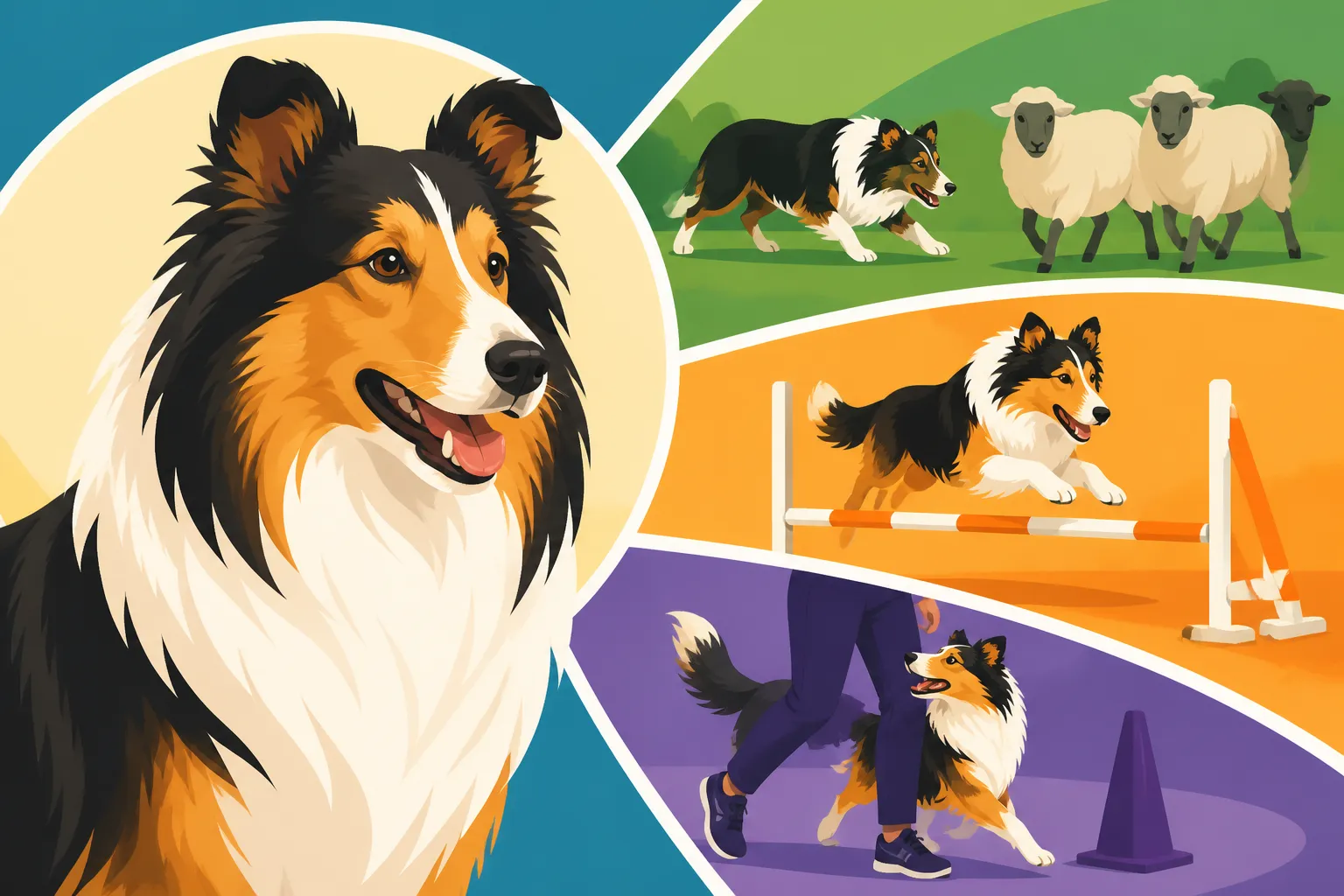
Beyond the big three of herding, obedience, and agility, there's a whole world of other dog sports and activities where Collies can shine. Their versatility, intelligence, and sociable nature open doors to many different types of engagement, ensuring there's something out there for every Collie and every owner.
Canine Good Citizen and Therapy Work
Many Collies naturally possess the gentle temperament and social grace required for the Canine Good Citizen (CGC) program. CGC is not a competitive sport but a certification program that tests a dog's basic manners and obedience in everyday situations, such as walking politely on a leash, sitting politely for petting, reacting calmly to distractions, and staying reliably when the owner leaves briefly. It's an excellent foundation for any dog and a testament to their good training and stable temperament.
Building on a solid CGC foundation, many Collies excel as therapy dogs. Whether a Collie Makes a Therapy Dog is a question often answered affirmatively, thanks to their calm, empathetic nature, and ability to connect with people. Therapy dogs visit hospitals, nursing homes, schools, and libraries, providing comfort, joy, and a sense of calm to those in need. Collies, with their soft expressions and gentle demeanor, are often natural comforters. This work is incredibly rewarding for both the dog and the handler, giving back to the community while fulfilling the Collie's innate desire for connection and purpose.
Conformation Showing: The Beauty Standard
For many Collie enthusiasts, conformation showing is the ultimate sport. This is where Collies are judged against their breed standard, a written description of the ideal physical characteristics and temperament of the breed. It's a sport of breeding, grooming, and presentation, aimed at preserving the beauty and functionality of the Collie. Handlers learn how to gait their dogs (move them around the ring) at just the right pace to showcase their natural movement and how to pose them for examination by the judge.
This sport requires significant dedication to grooming, particularly for Rough Collies, whose majestic coats are a hallmark of the breed. It also demands a dog with a stable, confident temperament that can handle the bustle of dog shows and tolerate being examined by strangers. Conformation is a wonderful way to connect with other Collie enthusiasts, learn about the breed's history, and contribute to the future of the breed by breeding sound, beautiful examples. Many breeders use services like BAXTER & Bella to help socialize and prepare their puppies for the show ring, ensuring they are confident and happy in new environments.
Fast CAT and Lure Coursing: A Burst of Speed
While Collies might not be the first breed you think of for speed events, many thoroughly enjoy Fast CAT (Coursing Ability Test) and Lure Coursing. These sports tap into a dog's natural prey drive by having them chase a mechanical lure across a field.
- Fast CAT: This is a timed 100-yard dash. Dogs run one at a time, chasing a plastic lure, and their speed is measured to calculate a handicap score. It's pure, unadulterated fun for dogs who love to run and chase, and Collies often surprise people with their bursts of speed and graceful stride.
- Lure Coursing: More traditional lure coursing involves a longer, more winding course designed to mimic the unpredictable path of live prey. Dogs run in small groups, and judges assess their enthusiasm, speed, agility, and endurance.
These sports are excellent outlets for physical energy and provide a tremendous confidence boost. It's a fantastic way to see your Collie let loose and enjoy a primal canine joy, all in a safe and controlled environment. Just make sure your Collie is physically fit and has no underlying health issues before participating in high-impact activities like these.
Finding the Right Trainer and Community for Your Collie
Embarking on a dog sport journey with your Collie is an exciting adventure, but finding the right guidance and support is crucial. The right trainer and a supportive community can make all the difference in building confidence, developing skills, and ensuring a positive experience for both you and your dog.
The Value of Positive Reinforcement Training
Collies are known for their sensitivity and intelligence, traits that make them incredibly responsive to positive reinforcement methods. These methods focus on rewarding desired behaviors, rather than punishing mistakes. This approach builds a strong, trusting relationship between you and your Collie, encouraging them to try new things and offering solutions when they're confused, rather than becoming shut down or anxious. Whether a Collie Sulks After a Correction is a real concern, as harsh methods can severely set back their training and damage their confidence.
Look for trainers who use modern, science-based, force-free techniques. They'll help you understand canine body language, timing of rewards, and how to break down complex behaviors into achievable steps. A good positive reinforcement trainer will also teach you how to build your Collie's motivation and drive for sports, making the learning process a joyful experience for both of you. This foundation is key to unlocking your Collie's full potential in any sport you choose.
Local Clubs and Breed-Specific Resources
One of the best ways to get involved in dog sports is to connect with local dog clubs. Many areas have all-breed obedience clubs, agility clubs, or breed-specific clubs (like a local Collie Club) that offer classes, workshops, and even host trials. These clubs are invaluable resources for finding experienced trainers, learning about specific sports, and meeting other dog owners who share your passion.
Connecting with a breed-specific club can be particularly helpful, as members often have a deep understanding of the Collie's unique traits and challenges in various sports. They can offer insights, mentorship, and a network of support that is incredibly encouraging. Don't be shy about reaching out and asking to observe a class or attend a club meeting. Many clubs also offer introductory "fun" matches that are perfect for getting a taste of competition in a relaxed setting before committing to official trials.
Preparing for a Sport: Health and Temperament Considerations
Before diving into any strenuous dog sport, it's absolutely essential to ensure your Collie is in peak physical condition. A thorough veterinary check-up is always recommended to rule out any underlying health issues that could be exacerbated by exercise. This includes checking for orthopedic concerns like hip or elbow dysplasia, which can affect any large breed, or other breed-specific health issues. For example, if your Collie is Assume Your Collie Has the MDR1 Mutation, certain medications or anesthetics can be dangerous, which is critical information for any vet visits, especially those related to potential sport injuries.
Temperament is also a key consideration. While Collies are generally well-suited for many sports, individual personalities vary. A shy or nervous Collie might thrive in a quieter sport like scent work but struggle with the fast pace and loud environment of a dog park or busy agility trial. A confident, energetic Collie might be a natural for Fast CAT. Observe your Collie, consider their personality, and choose a sport that aligns with their natural inclinations and helps them build confidence. The goal is always to enhance their quality of life and deepen your bond, not to force them into something they don't enjoy.
Here's a quick comparison of popular dog sports for Collies:
| Sport | Key Collie Traits Utilized | Physical Demand | Mental Demand | Typical Training Duration (to competitive level) | Example Brands/Resources |
|---|---|---|---|---|---|
| Herding | Instinct, intelligence, biddability, focus | Moderate | High | 1-3 years | Local Herding Trainers, AKC Herding program |
| Rally Obedience | Intelligence, biddability, partnership, responsiveness | Low-Moderate | Moderate | 6 months – 2 years | BAXTER & Bella, AKC Rally, UKC Rally |
| Competitive Obedience | Precision, focus, biddability, intelligence | Low-Moderate | High | 1-4 years | BAXTER & Bella, AKC Obedience, UKC Obedience |
| Agility | Intelligence, athleticism, coordination, biddability | High | High | 1-3 years | Local Agility Clubs, USDAA, AKC Agility, Amazon for equipment |
| Scent Work | Olfactory ability, focus, independence, problem-solving | Low | Very High | 6 months – 2 years | NACSW, AKC Scent Work, Fenzi Dog Sports Academy, Amazon for starter kits |
| Fast CAT/Lure Coursing | Prey drive, speed, joy of running | High | Low-Moderate | Minimal (instinct-driven) | AKC Fast CAT, ASFA (American Sighthound Field Association) |
| Therapy Work | Calm temperament, empathy, social nature, biddability | Low | Moderate | 1-2 years (after basic obedience) | Therapy Dogs International, Pet Partners |
Disclaimer
This article is for general informational purposes only and does not constitute professional advice. Laws, prices and regulations vary by location and change over time. Consult a qualified professional for guidance on your specific situation.